Mastering the Grill Pan: A Chef’s Guide to Perfect Indoor Grilling
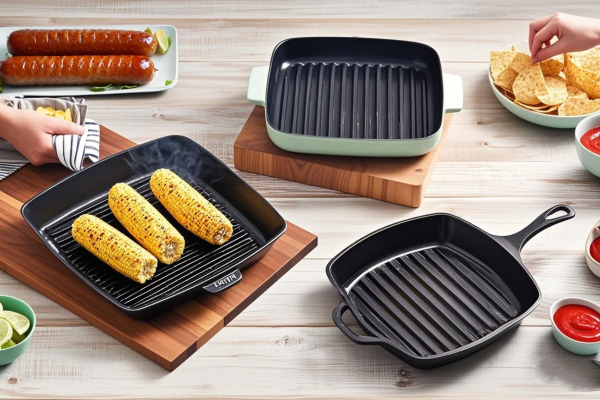
Imagine savoring perfectly seared steaks with charred edges, juicy grilled vegetables, and even sweet, caramelized pineapple—all from the comfort of your kitchen, rain or shine. With a grill pan, this culinary dream becomes a reality. Far more than a kitchen gadget, the humble grill pan is your ticket to year-round grilling mastery, offering restaurant-quality results without stepping foot outside.
1. Preheat Like a Pro: The Foundation of Grill Pan Success
Before you even place a piece of food on your grill pan, preheating is non-negotiable. Heat your pan over medium-high heat for 5–10 minutes until it’s smoking hot. This step ensures caramelization, prevents sticking, and mimics the intense heat of an outdoor grill. To test readiness, flick a drop of water: If it sizzles and evaporates instantly, you’re good to go.
Pro Tip: Seasoning Cast Iron Pans
For cast iron pans, seasoning is key. Rub a thin layer of avocado or grapeseed oil (high smoke point) into the ridges and let it cure in the oven at 375°F for 1 hour. This builds a natural non-stick barrier over time.
2. Cooking Techniques: From Perfect Sear to Crispy Veggies
Achieve Iconic Grill Marks
Let food rest undisturbed for 3–4 minutes before flipping. For dramatic crosshatch marks, rotate ingredients 90 degrees halfway through each side. Use a grill press (or a heavy skillet) to weigh down foods like burgers or tofu, ensuring even contact with the ridges.
Tenderize Without Tears
- Meats: Let steaks and chicken rest at room temperature for 20 minutes before cooking. Try the reverse-sear method: Sear in the pan after low-and-slow oven roasting.
- Fish: Pat fillets dry with paper towels and season just before cooking. Use a spatula with a thin edge for delicate fish like salmon.
- Veggies: Slice into uniform thickness (1/4–1/2 inch) and toss in oil and salt. Grill zucchini, bell peppers, or asparagus until charred but still crisp.
Lid for Flavor Locking
Covering your grill pan with a lid traps steam, accelerating cooking and infusing smoky notes. Ideal for thick cuts like pork chops or marinated chicken thighs.
3. Troubleshooting Common Pitfalls
Minimize Smoke
- Ventilate: Open windows and turn on exhaust fans.
- Oil Wisely: Apply oil to food, not the pan.
- Adjust Heat: Lower the burner slightly if smoke becomes excessive.
Fix Uneven Cooking
For cast iron, use a burner diffuser on electric stoves. For non-stick pans, avoid overcrowding—cook in batches if needed.
Rescue Burnt Residue
Soak the pan in warm, soapy water for 30 minutes, then scrub gently with a nylon brush. For cast iron, skip soap—use salt as an abrasive scrub instead.
4. Health-Conscious Grilling: Less Fat, More Flavor
Grill pans drain excess fat, making them healthier than frying. Maximize benefits by:
- Choosing lean proteins like chicken breast, shrimp, or tofu.
- Grilling nutrient-rich veggies like broccoli, eggplant, and cherry tomatoes.
- Using yogurt, citrus, or vinegar-based marinades to tenderize without excess oil.
5. Beyond the Basics: Creative Grill Pan Recipes
Grilled Watermelon Salad
Slice watermelon into 1-inch rounds. Grill for 2 minutes per side until charred. Serve with feta, mint, and a balsamic glaze.
Shrimp Scampi with Zucchini Noodles
Toss shrimp in garlic, lemon, and red pepper flakes. Grill until pink. Sauté zucchini noodles in the same pan, then combine with shrimp and Parmesan.
Panini Press Hack
Layer deli meats, cheese, and veggies between bread. Place on the grill pan, then weigh down with a cast iron skillet. Flip once for golden perfection.
6. Grill Pan Maintenance: Ensuring Longevity and Performance
| Type | Cleaning Tips | Special Care |
|---|---|---|
| Cast Iron | Dry immediately after washing; scrub with salt. | Re-season every few months. |
| Non-Stick | Hand-wash with mild soap; avoid metal utensils. | Do not overheat. |
| Stainless Steel | Use a scrub brush for tough residue. | Polish with stainless steel cleaner. |
7. B2B Spotlight: Solamex Grill Pans
For restaurants and caterers, Solamex’s commercial-grade grill pans deliver durability and efficiency. Their modular design, customizable finishes, and bulk pricing (up to 40% less than premium brands) make them ideal for high-volume kitchens. Available in cast iron, stainless steel, and cast aluminum, these pans withstand daily use while maintaining consistent heat distribution.
Conclusion
A grill pan isn’t just a substitute for an outdoor grill—it’s a versatile tool that unlocks year-round grilling creativity. By mastering preheating, seasoning, and cooking techniques, you’ll achieve restaurant-quality results in your own kitchen. And for businesses, Solamex offers unbeatable value without compromising performance.
FAQ
Can I use a grill pan on an electric stove?
How do I clean a cast iron grill pan?
The Sauce Pot Menu: Mastering Customizable Flavors from Global Traditions to Seasonal Creations