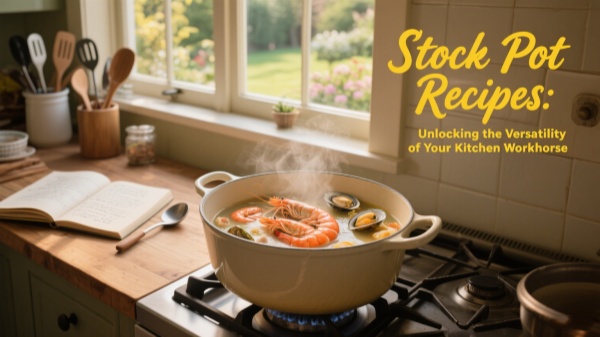
The Sauce Pot Menu: Mastering Customizable Flavors from Global Traditions to Seasonal Creations
Introduction & Definition
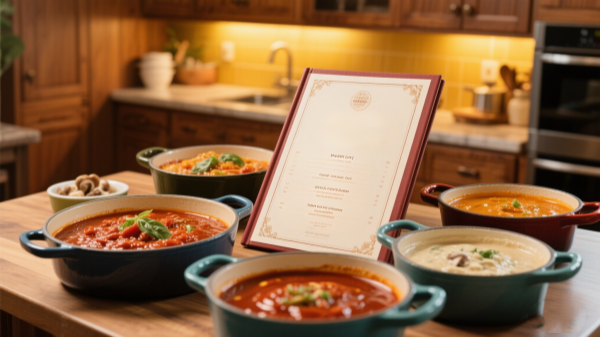
A dedicated sauce pot menu satisfies modern diners’ craving for customizable flavors and one-pot convenience by spotlighting house-made sauces served à la carte or paired with proteins, grains, and breads.
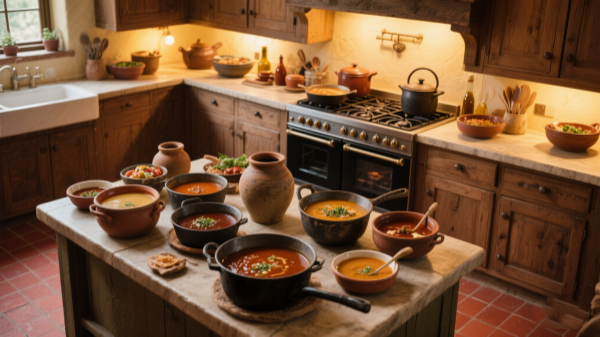
In culinary terms, a sauce pot is a deep, heavy-bottomed vessel engineered for even heat distribution during simmering and reduction—ideal for sauces, soups, stews, and one-pot meals that benefit from steady temperature control and volume capacity.
This article guides you through:
- Recipe categories by sauce base
- Core techniques like layering and deglazing
- Menu design strategies to boost check averages
- Pairing and presentation tips
- Global inspirations and seasonal twists
Core Recipe Categories
Organizing dishes by sauce base provides clarity for guests and efficiency for cooks, as similar ingredients and techniques can be batch-prepped.
| Category | Key Ingredients | Typical Dishes |
|---|---|---|
| Tomato-Based | Crushed tomatoes, garlic, basil, olive oil | Pasta marinara, arrabbiata, ratatouille stew |
| Cream & Dairy | Butter, heavy cream, Parmesan, nutmeg | Alfredo pasta, cheese dip, velouté soup |
| Broth & Stock | Chicken/beef stock, mirepoix, wine | Beef bourguignon, chicken noodle, curry pot |
| Pan & Blender | Deglazing liquids, herbs, nuts, vinegar | Pan sauces, pesto, chimichurri |
Tomato-Based Sauces
Classic marinara forms the backbone of Italian-style menus, while zesty arrabbiata adds heat for adventurous palates. Rustic ratatouille-style stews combine seasonal vegetables with tomatoes for hearty, vegan-friendly options.
Cream & Dairy Sauces
Silky Alfredo and rich cheese-based veloutés showcase dairy’s indulgence. Proper emulsification and gentle simmering prevent curdling and ensure a luxuriously smooth texture.
Broth & Stock-Driven Soups
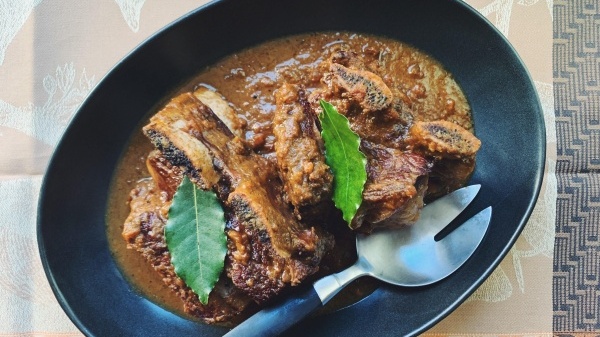
Hearty one-pot classics like beef bourguignon and Thai coconut curry leverage long, slow simmering for depth of flavor and tender protein—ideal for winter menus or comfort food themes.
Pan & Blender Sauces
Quick pan sauces deglazed with wine or stock elevate meats in minutes, while no-cook blender sauces like pesto and chimichurri offer fresh, herbaceous contrast and rapid turnaround for busy services.
Essential Techniques & Best Practices
Layering Flavors
Start dishes with a classic mirepoix (onion, carrot, celery) or aromatic soffrito to build complexity at the base before adding liquids.
Temperature Control
Maintain a gentle simmer for cream and broth bases to avoid separation, whereas tomato sauces can endure brief, vigorous boiling for faster reduction and intensified flavor.
Thickening Methods
Achieve desired viscosity with reductions, roux, cornstarch slurries, or partial pureeing—each technique suits different textures and dietary needs.
Deglazing & Pan Sauces
After searing proteins, add wine, vinegar, or stock to dissolve fond on the pan’s surface—this deglazing step forms the basis for quick, flavorful pan sauces.
Cleanup Efficiency
Incorporate high-quality cast aluminum non-stick sauce pots and minimize utensil changes to streamline post-service cleanup in fast-paced kitchens.
Pairing & Presentation Tips
Protein & Carb Matches
Match tomato-basil sauce with grilled chicken, coconut curry with jasmine rice, and demi-glace with seared steak for balanced flavor profiles.
Vegetarian proteins like tofu or chickpeas pair beautifully with hearty tomato stews or creamy dairy sauces for plant-forward options.
Garnishes & Textural Add-Ins
Finish dishes with fresh herbs, grated cheeses, toasted nuts, or citrus zest to add color, aroma, and contrast just before service.
Serving Vessels
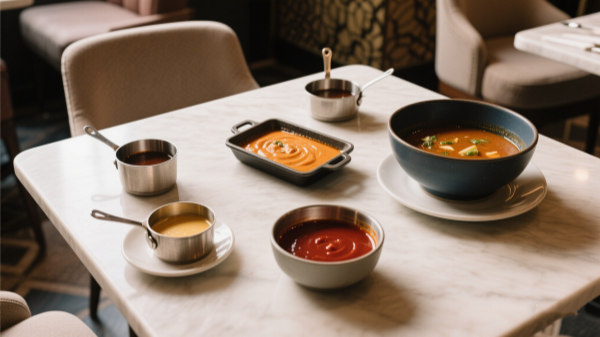
Present sauces in mini sauce pots, individual ramekins, or communal tureens—each vessel choice enhances the visual appeal and encourages sharing experiences among guests.
Global Inspirations & Seasonal Variations
Rotate sauce pot offerings with global classics—Italian sugo, French bisque, Indian korma, and Mexican mole—to celebrate diverse culinary traditions.
Adapt recipes to seasonal produce: spring asparagus in white sauce, summer heirloom tomato ragù, autumn squash bisque, and winter root-vegetable ragù to leverage peak flavor and freshness.
Conclusion & Next Steps
A thoughtfully curated sauce pot menu marries versatility with operational efficiency, delighting guests and simplifying kitchen workflows.
Actionable Checklist:
- Define core sauce categories (tomato, cream, broth, pan) based on concept and volume.
- Master key techniques: layering, simmer control, deglazing, and thickening.
- Apply menu engineering: spotlight high-margin sauces, use evocative names, and bundle pricing.
- Design for readability: clear headings, icons, and responsive layout.
- Refresh offerings with global inspirations and seasonal produce.
By integrating these principles and drawing on tested recipes, you can launch a compelling sauce pot menu that boosts check averages, reduces waste, and elevates guest satisfaction.
The Ultimate Guide to Crafting a Sauce Pot Menu: Recipes, Techniques, and Flavor Pairings
Mastering the Grill Pan: A Chef’s Guide to Perfect Indoor Grilling