3-Ply Stainless Steel Cookware: Ultimate Guide to Smarter Kitchen Investment
Why Chefs & Home Cooks Swear by This Triple-Layered Innovation
Table of Contents
- How 3-Ply Engineering Solves Cooking's Biggest Pain
- 4 Game-Changing Benefits for Your Kitchen
- The Honest Downsides (Who Might Regret It?)
- 3-Ply vs 5-Ply: The Heat Distribution Showdown
- Buying Smart: Reddit's Top Brand Recommendations
- 3 Pro Maintenance Secrets for Lifetime Performance
- Your Top 3-Ply Questions Answered
How 3-Ply Engineering Solves Cooking's Biggest Pain
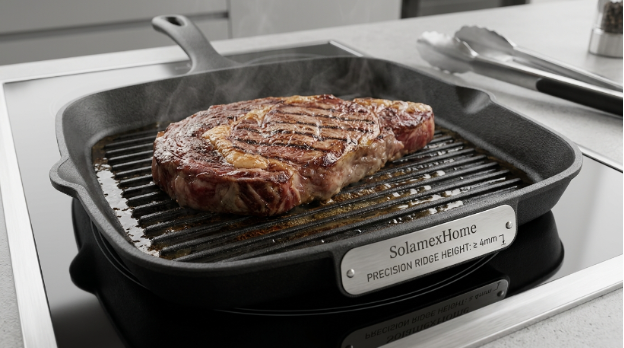
That frustrating moment when your steak sears unevenly despite perfect technique? Thank hot spots - the arch-nemesis of precision cooking. Traditional single-ply stainless steel fails here because stainless steel conducts heat poorly (3x slower than die cast aluminum). This is where 3-ply stainless steel technology becomes revolutionary:
The Science Behind the Layers
Outer armor: 18/10 stainless steel resists corrosion and maintains structural integrity at high temperatures.
Thermal highway: Aluminum core (1.5-3mm thick) distributes heat laterally 2.3x faster than stainless steel alone, eliminating hot spots.
Food shield: Inner stainless steel layer provides a non-reactive cooking surface that won't taint flavors with metallic tastes.
Why thickness matters: All-Clad's D3 series uses a 2.6mm aluminum core - thick enough for even searing but avoids 5-ply's weight penalty. Viking's 3-ply pots maintain 0.5°F temperature variance across cooking surfaces in Consumer Reports testing.
4 Game-Changing Benefits for Your Kitchen
✅ The Performance Edge
No more stir-frenzy: Sauté vegetables without constant stirring thanks to even heat distribution.
Perfect searing: Achieve consistent Maillard reaction across entire protein surfaces.
Temperature precision: Responsive heat adjustment (changes direction 2x faster than 5-ply).
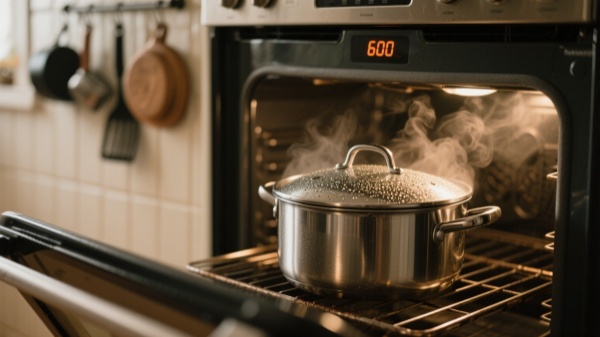
The Honest Downsides (Who Might Regret It?)
⛔ Weight Considerations
3-ply averages 40% heavier than single-ply pans. A 10" skillet typically weighs 3.5-4.5 lbs - challenging for those with wrist issues.
⛔ Learning Curve
Requires proper preheating (water droplet test) and temperature control to prevent sticking. Not as foolproof as non-stick.
⛔ Acidic Food Caution
Extended simmering of tomato sauce may cause aluminum core discoloration (though stainless barrier prevents food contamination).
3-Ply vs 5-Ply: The Heat Distribution Showdown
| Performance Factor | 3-Ply | 5-Ply | Winner For |
|---|---|---|---|
| Heat Response Time | ⚡️ 60-90 seconds (medium heat) | ⏱️ 2-3 minutes | Quick temperature changes |
| Temperature Consistency | ±10°F variance | ±5°F variance | Precision simmering |
| Weight (10" skillet) | 3.5-4.5 lbs | 5-6.5 lbs | Everyday handling |
| Best Cooking Methods | Searing, sautéing, frying | Braising, stewing, slow sauces | Depends on technique |
| Price Premium | 20-30% over single-ply | 70-100% over single-ply | Budget-conscious buyers |
Real-world advice: Home cooks making quick meals prefer 3-ply's responsiveness, while serious sauce makers appreciate 5-ply's stability. Most chefs use both strategically.
Buying Smart: Reddit's Top Brand Recommendations
Best Overall: All-Clad D3
Why chefs choose it: 2.6mm aluminum core optimized for responsiveness, commercial-grade 18/10 stainless, Made in USA construction. The 7-piece set covers 90% of cooking needs.
Reddit tip: Wait for factory seconds sales (up to 50% off with minor cosmetic flaws)
Budget Pick: Viking 3-Ply
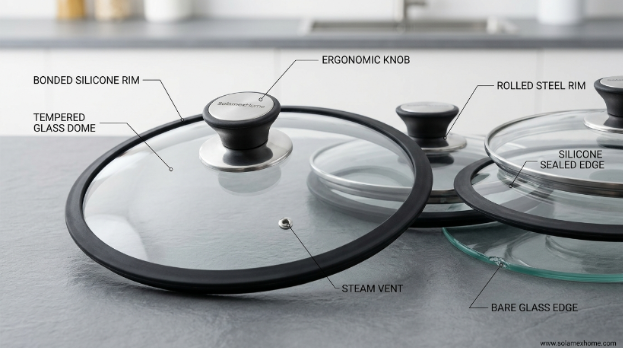
Features comparable to All-Clad at 30% less. 12-quart stock pot ($129) outperforms competitors in even boiling tests. Glass lids provide visual monitoring.
Eco Choice: COOKER KING Hybrid
Recycled stainless steel construction with ceramic non-stick interior. 7-piece set under $100 with induction compatibility. Ideal for non-stick lovers transitioning to stainless.
Avoid "fake ply": Some brands advertise "tri-ply" but only clad the bottom. Test with magnet - true 3-ply attracts magnets up the sides.
3 Pro Maintenance Secrets for Lifetime Performance
1. Deglazing > Scrubbing
After cooking, add 1 cup water and simmer 2 minutes. The fond releases naturally, avoiding abrasive scrubs that damage the "starburst" finish.
2. The Oil Refresh
Monthly treatment: Heat ¼" vegetable oil to 400°F, then cool completely. Wipe excess - fills microscopic pores for enhanced non-stick performance.
3. Water Spot Prevention
Immediately towel-dry after washing. Hard water stains? Boil equal parts vinegar/water for 5 minutes, then rinse.
Your Top 3-Ply Questions Answered
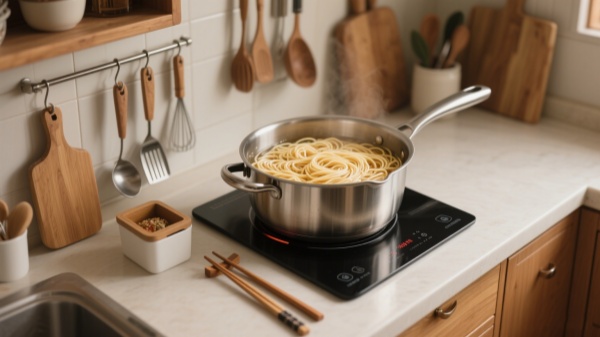
Q: Is 3 ply stainless steel good for induction cooktops?
A: Excellent compatibility - the magnetic stainless steel outer layer works perfectly with induction. Viking and All-Clad 3-ply score 9/10 for induction responsiveness in testing.
Q: Does 3-ply work with metal utensils?
A: Yes, but wisely - stainless steel surfaces resist scratches but avoid sharp-edged tools. Use fish spatulas instead of sharp metal turners to preserve the finish.
Q: Why does food stick initially?
A: Preheating is critical - heat your pan 2-3 minutes on medium before adding oil. Test with water droplets: they should skate like mercury when ready. This creates the Leidenfrost effect for natural release.
Q: How long should 3-ply cookware last?
A: Decades with proper care - All-Clad reports 40% of customers still using their original set after 25 years. Avoid thermal shocks (no cold water in hot pans!) to prevent layer separation.
Why 3‑Ply Stainless Steel Cookware Is a Smart Choice for Every Kitchen
Oven-Safe Cookware: The Ultimate Guide to Materials, Safety & Top Brands