2027 Lunch Box Trends: Colors, Materials, and Designs
Introduction: What's Next for Lunch Boxes in 2027?
The lunch box is evolving from a simple food container into an essential everyday lifestyle product.
As consumers look for practical, durable, and visually appealing ways to carry meals, lunch box manufacturers are exploring new colors, materials, and functional designs.
For retailers, importers, and private-label brands, understanding these developments can help shape more competitive product collections for the 2027 season.
From minimalist pastel colors to stainless steel construction and multi-compartment bento designs, several promising directions are emerging.
In this article, we explore seven lunch box trends to watch in 2027 and what they mean for wholesale buyers.
These are forward-looking product and design forecasts, not confirmed 2027 sales rankings.
1. Soft, Nature-Inspired Colors
Color is one of the most effective ways to differentiate lunch box collections.
For 2027, we expect softer, nature-inspired colors to remain a strong direction, particularly for premium family, school, and lifestyle collections.
Instead of relying entirely on bright primary colors, manufacturers can explore more sophisticated shades that appeal to modern consumers.
Recommended color directions for 2027:
-
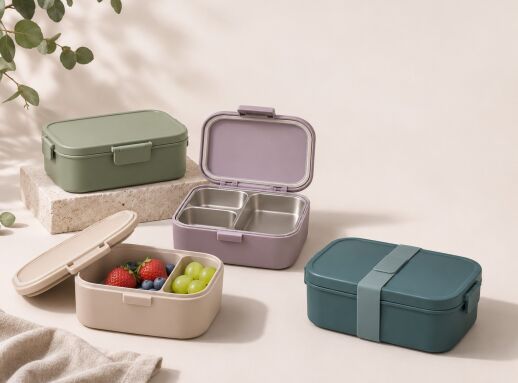
Sage Green: A calming, natural tone suitable for children and adults.
-
Dusty Lavender: A soft, contemporary shade for modern school collections.
-
Warm Beige: A timeless neutral suitable for minimalist product lines.
-
Ocean Teal: A versatile blue-green shade with broad lifestyle appeal.
-
Muted Terracotta: A warm, earthy alternative to traditional pink and orange.
These colors also offer opportunities to develop coordinated collections with water bottles, insulated food jars, and lunch bags.
For wholesale buyers: Consider launching a small collection of complementary colors rather than developing too many individual shades. A coordinated color palette can make retail displays more attractive and simplify product assortment planning.
2. Stainless Steel Lunch Boxes for Durable Everyday Use
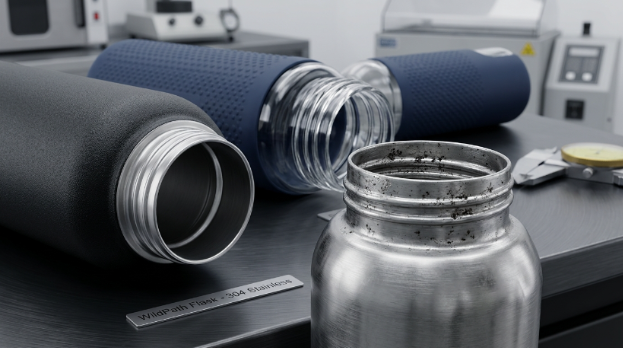
Stainless steel will remain an important material to watch in the reusable lunch box category.
Its durability, clean appearance, and long service life make it an appealing option for buyers developing mid-range and premium collections.
In particular, stainless steel lunch boxes can appeal to consumers looking for products designed for repeated daily use.
Key advantages of stainless steel lunch boxes:
-
Durable construction for regular use
-
Resistance to rust when suitable grades are used and properly maintained
-
Easy-to-clean, nonporous surfaces
-
A premium appearance and feel
-
Opportunities for reusable, long-life product positioning
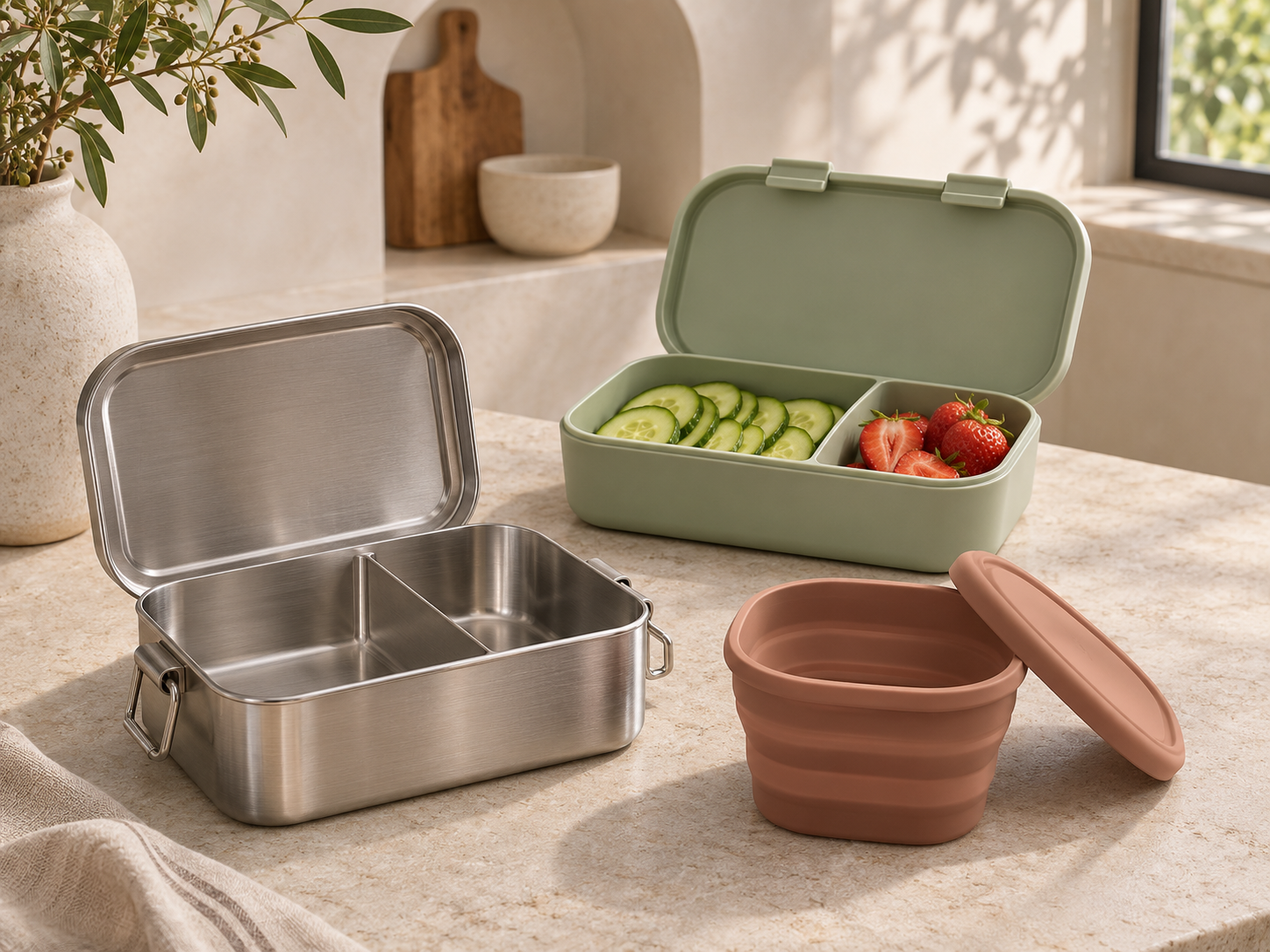
For manufacturers, combining a stainless steel outer container with removable silicone compartments may provide additional flexibility.
However, material selection should consider product weight, cost, cleaning requirements, and the intended food-contact conditions.
For wholesale buyers: Stainless steel models can complement more affordable plastic lunch boxes, allowing retailers to offer multiple price points within one category.
3. Food-Contact Plastic and Silicone Remain Important
Although stainless steel receives attention for its durability, plastic lunch boxes remain relevant because of their affordability, lightweight construction, and flexibility in design.
Polypropylene (PP) is a common choice for reusable food containers.
Food-contact-grade silicone can also be useful for seals, removable inserts, and flexible compartments.
For 2027, the opportunity is not necessarily to replace plastic completely. Instead, manufacturers can focus on improving product quality, usability, and service life.
Important considerations include:
-
Appropriate food-contact material selection
-
Resistance to repeated opening and closing
-
Easy cleaning and maintenance
-
Durable hinges and closures
-
Lightweight construction
-
Compatibility with the intended temperature and usage conditions
Buyers should verify whether specific products are suitable for microwave use, dishwashers, or hot foods rather than assuming that all products made from a particular material share the same performance characteristics.
For wholesale buyers: Request material specifications and relevant food-contact compliance documentation from suppliers before confirming bulk orders.
4. Multi-Compartment Bento Boxes
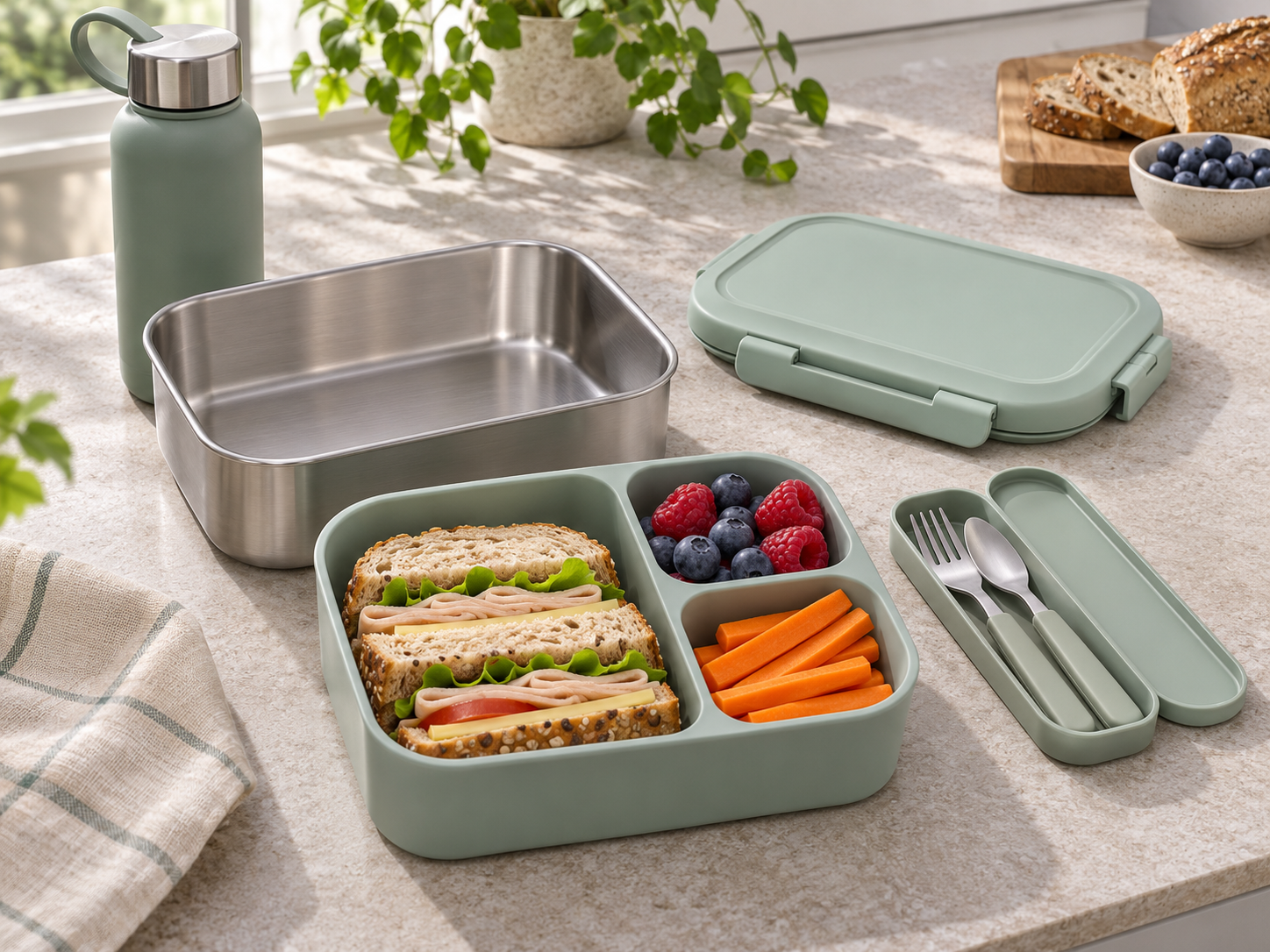
Multi-compartment bento boxes are expected to remain an important product format in 2027.
Their appeal comes from the ability to organize different foods within one compact container.
For children's school lunches, separate compartments can make it easier to pack sandwiches, fruit, vegetables, and snacks.
For adults, divided containers can support meal preparation and portion organization.
Popular design directions include:
-
Three-compartment lunch boxes
-
Four-compartment bento boxes
-
Five-compartment children's lunch boxes
-
Removable silicone inserts
-
Adjustable or interchangeable dividers
-
Separate containers for sauces and dressings
Not every consumer needs the same layout. A three-compartment model may provide greater flexibility for larger foods, while a five-compartment version may be more suitable for varied children's lunches.
For wholesale buyers: Offering two or three compartment configurations within one design family can help serve different customer preferences without creating an entirely separate visual identity for each product.
5. Minimalist Designs with Practical Details
In 2027, practical product details are likely to remain just as important as exterior appearance.
A good lunch box should be easy to carry, open, close, clean, and store.
For younger children, ergonomics and closure design deserve particular attention.
For office workers and adult consumers, a compact exterior and efficient interior layout may be more important.
Design features worth exploring:
-
Rounded corners for easier cleaning
-
Comfortable, easy-to-use closures
-
Stackable construction for storage
-
Compact rectangular shapes
-
Removable internal trays
-
Dedicated cutlery compartments
-
Seals designed to reduce leakage
Leakproof performance should be evaluated carefully. A lunch box that resists spills during ordinary carrying may not prevent leakage when turned upside down or filled with liquid.
For wholesale buyers: Ask suppliers for closure-cycle testing, leak-resistance test methods, and product-use demonstrations before approving new designs.
6. Coordinated Lunch Box and Water Bottle Collections
Retailers can create a stronger product presentation by developing coordinated lunch box and drinkware collections.
Matching colors, materials, and design details across multiple products can make everyday school and office accessories feel like one complete lifestyle collection.
For example, a coordinated collection might include:
-
A three-compartment lunch box
-
A matching stainless steel water bottle
-
A compact insulated food jar
-
Reusable cutlery
-
A matching lunch bag
For children's collections, simple animal illustrations, playful colors, and recognizable themes can help create a distinctive range.
For adult collections, muted colors and minimalist surfaces can provide a more sophisticated appearance.
For wholesale buyers: Matching lunch accessories may create opportunities for bundled retail promotions, seasonal collections, and private-label product development.
7. OEM and ODM Customization for Private-Label Brands
Customization is likely to remain a valuable part of lunch box product development in 2027.
Rather than competing only on standard products, retailers and distributors can differentiate their ranges through exclusive color combinations, packaging, and functional features.
Common OEM and ODM options include:
Color customization
Develop coordinated body, lid, silicone, and closure colors using specified color references.
Logo customization
Apply brand logos using suitable printing, engraving, or labeling techniques.
Packaging customization
Create retail-ready color boxes, sleeves, hangtags, and other branded packaging.
Structural customization
Explore different compartment layouts, capacities, handles, seals, and accessories, subject to tooling and manufacturing feasibility.
Collection development
Create matching lunch boxes, bottles, and food jars for specific retail channels or consumer groups.
Before starting a customized project, buyers should confirm minimum order quantities, mold costs, sample lead times, tooling ownership, testing requirements, and production schedules.
How Should Retailers Prepare for the 2027 Lunch Box Season?
Retailers and importers should consider three important factors when selecting their next lunch box collections.
First, understand the target consumer. Children's school lunch boxes, adult meal-prep containers, and premium reusable food containers may require different materials, capacities, and design features.
Second, balance appearance with functionality. Attractive colors can encourage interest, but closures, durability, cleaning convenience, and overall product quality influence long-term customer satisfaction.
Third, work with an experienced supplier. A reliable lunch box supplier should be able to discuss materials, customization options, manufacturing feasibility, quality control, and the documentation required for the destination market.
For buyers serving US and European markets, food-contact compliance should be reviewed against the actual materials and intended use of each finished product.
Conclusion: The Future of Lunch Boxes Is Practical, Durable, and Personal
The strongest lunch box concepts for 2027 will combine attractive design with useful everyday functionality.
Soft colors, durable stainless steel construction, versatile PP and silicone components, multi-compartment layouts, and coordinated product collections all offer promising opportunities.
For wholesalers, importers, and private-label brands, the goal is to select products that fit their customers' needs while maintaining the right balance of quality, design, and cost.
How to Season Cast Iron (Step-by-Step)