Beyond the Stir-Fry: How to Pick the Right Wok for Every Cooking Style
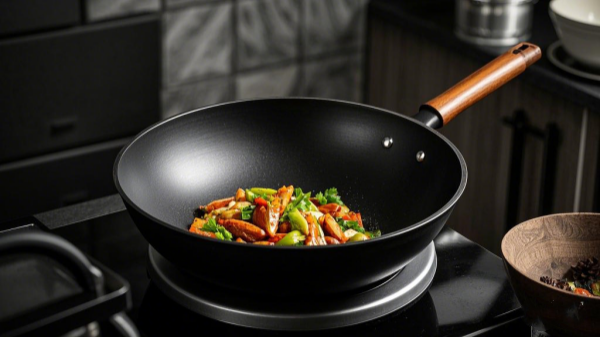
The wok, a cornerstone of Asian cuisine, has found its place in kitchens worldwide due to its versatility and efficiency. Selecting the right wok can elevate your cooking experience, allowing you to explore a myriad of culinary techniques. This guide delves into the various types of woks, their materials, and essential factors to consider when making your choice.
Types of Woks
Traditional vs. Modern Woks
Woks come in two primary designs:
- Round-Bottom Woks: Ideal for traditional gas stoves, these woks facilitate even heat distribution. However, they may require a wok ring for stability on flat stovetops.
- Flat-Bottom Woks: Designed for modern electric or induction stoves, flat-bottom woks provide stability without additional accessories, making them suitable for contemporary kitchens.
Material Comparison
The material of a wok significantly influences its performance and maintenance. Common materials include:
- Carbon Steel: Lightweight and quick to heat, carbon steel woks are favored for their responsiveness to temperature changes. They develop a natural non-stick patina over time but require regular seasoning to maintain this feature.
- Cast Iron: Known for excellent heat retention, cast iron woks provide consistent cooking temperatures. They are heavier and may take longer to heat but are ideal for dishes requiring steady heat. Regular seasoning is also necessary to prevent rust.
- Stainless Steel: Durable and non-reactive, stainless steel woks are resistant to rust and do not require seasoning. However, they may not offer the same heat control as carbon steel or cast iron woks.
- Non-Stick Coated Woks: These woks offer ease of cleaning and require less oil for cooking. However, they are not suitable for high-heat cooking methods like stir-frying and may have a shorter lifespan due to the coating wearing off over time.

Key Factors to Consider When Buying a Wok
Size & Shape
Woks typically range from 10 to 16 inches (25 - 40cm) in diameter. A 12 (30 cm) to 14-inch (32cm) wok is versatile for most home cooking needs, providing ample space for tossing ingredients without overcrowding. The depth of the wok also matters; deeper woks are suitable for deep-frying and steaming, while shallower ones are ideal for stir-frying.
Handle Types
Handles influence the maneuverability of the wok:
- Loop Handles (Cantonese Woks): Featuring two small handles on either side, these woks are easy to lift but may require both hands, especially when full.
- Single Long Handle (Mandarin Woks): Equipped with a long handle, these woks allow for one-handed operation and are ideal for tossing ingredients. Some models include a helper handle for additional support.
Compatibility with Stovetops
Ensure the wok's design aligns with your stovetop:
- Gas Stoves: Both round-bottom and flat-bottom woks are suitable. Round-bottom woks may need a wok ring for stability.
- Electric and Induction Stoves: Flat-bottom woks are preferable as they provide direct contact with the heating element, ensuring efficient heat transfer.
Recommendations Based on Cooking Preferences
Your culinary interests can guide your wok selection:
- Stir-Frying: A carbon steel wok with a single long handle allows for quick cooking and easy tossing of ingredients.
- Deep-Frying: A cast iron wok offers excellent heat retention, maintaining consistent oil temperatures essential for deep-frying.
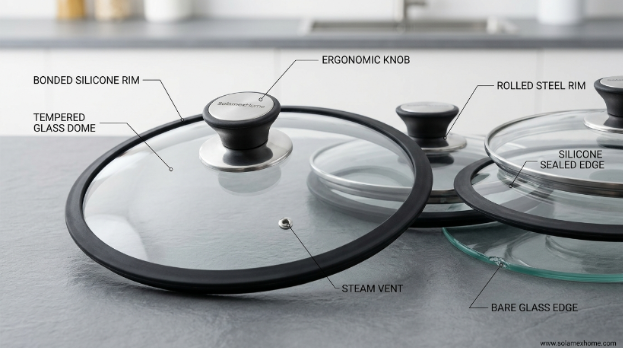
- Steaming: A deeper wok with a lid accommodates steaming racks or baskets, making it suitable for steaming vegetables, dumplings, or fish.
- Smoking: Woks with lids can be adapted for indoor smoking, infusing flavors into meats and vegetables.
Conclusion
Selecting the right wok involves considering various factors, including material, size, handle type, and stovetop compatibility. By aligning these aspects with your cooking preferences, you can enhance your culinary endeavors. For those interested in bulk purchases, exploring wholesale woks options can provide quality products at competitive prices, catering to both personal and professional culinary needs.
How to Properly Season and Maintain Your Wok for Long-Term Use
Mastering Culinary Techniques with a Deep Frying Pan