Cast Aluminum Cookware: The Ultimate Guide for Modern Kitchens
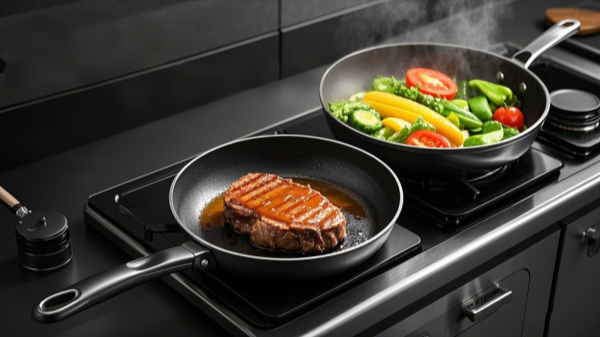
Table of Contents
Introduction
Cast aluminum cookware has become a staple in modern kitchens, blending durability, affordability, and performance. Whether you’re a professional chef or a home cook, understanding the nuances of this material can elevate your culinary experience. In this comprehensive guide, we’ll explore its features, benefits, maintenance requirements, and how to select the best options for your needs.
What is Cast Aluminum Cookware?
Cast aluminum cookware is crafted by pouring molten aluminum into molds, creating sturdy and uniform pieces. Unlike traditional press aluminum, casting results in thicker walls that enhance heat retention and distribution. This process also allows for intricate designs, making it suitable for skillets, Dutch ovens, and specialty pans(like Sauté Pans and Saucepans).
While pure aluminum is lightweight and highly conductive, modern cast aluminum cookware often features coatings like ceramic or hard-anodized finishes to improve durability and non-stick properties.
Key Benefits of Cast Aluminum Cookware
- Superior Heat Distribution: Aluminum’s natural conductivity ensures even heating, reducing hot spots for consistent cooking results.
- Lightweight Design: Easier to handle compared to cast iron, making it ideal for everyday use and oven transfers.
- Versatility: Works on gas, electric, and ceramic stovetops (check induction compatibility before purchase).
- Durability: Resistant to warping and corrosion when properly maintained.
- Non-Stick Options: Many models come with PTFE or ceramic coatings for easy food release and cleanup.
Potential Drawbacks to Consider
- Scratch Sensitivity: Uncoated aluminum can scratch easily, affecting non-stick performance.
- Aluminum Leaching: Acidic foods like tomatoes or vinegar may cause minimal aluminum release, though modern coatings mitigate this risk.
- Induction Limitations: Most cast aluminum isn’t induction-compatible unless it has a magnetic base layer. (Solamex's wholesale cookware are often designed to support induction cooktops)
- Heat Retention: While efficient at conducting heat, it doesn’t retain heat as effectively as cast iron.
How to Choose the Right Cast Aluminum Cookware
| Feature | Consideration | Recommendation |
|---|---|---|
| Coating Type | Non-stick vs. uncoated | Choose ceramic for eco-friendliness or hard-anodized for durability. |
| Size & Shape | Skillet, Dutch oven, or saucepan | Opt for versatile sizes like 10-inch skillets or 7-quart pots. |
| Handle Design | Ergonomic grip | Look for stay-cool handles for oven use. |
| Induction Compatibility | Magnetic base | Hybrid models with stainless steel bottoms are ideal for induction. |
Best Practices for Using Cast Aluminum Cookware
- Seasoning New Cookware: Apply a thin layer of oil and bake it to enhance non-stick properties.
- Avoid High Heat: Excessive heat can damage coatings and accelerate aluminum leaching.
- Use Gentle Utensils: Opt for silicone or wooden tools to prevent scratches.
- Hand Washing: Dishwashers can degrade coatings over time; hand wash with mild soap.
Frequently Asked Questions
Yes, when used correctly. Modern coatings minimize aluminum contact with food, and leaching risks are low unless using acidic ingredients in damaged pans.
It’s not recommended, as metal can scratch the surface. Stick to non-abrasive tools for optimal performance.
With proper care, high-quality cast aluminum cookware can last 10-15 years.
Conclusion
Cast aluminum cookware offers an excellent balance of performance and affordability, making it a smart investment for any kitchen. By understanding its strengths, limitations, and maintenance needs, you can enjoy its benefits for years to come.
Ready to upgrade your cookware? Share your experiences with cast aluminum in the comments below!
Back to TopThe Ultimate Guide to Stockpots: Choosing the Right One for Your Kitchen
Master Your Cast Aluminum Cookware: Pro Tips for Perfect Non-Stick Results & Longevity