Cast Iron Skillet Guide: Spot Authenticity, Avoid Fakes & Choose Cast Iron vs. Aluminum

Identifying a genuine cast iron skillet ensures you enjoy its legendary heat retention, durability, and flavor‐building capacity, whether you’re buying new or scouring thrift shops. This guide covers: why authenticity matters; visual cues like finish and markings; physical tests including the bell‐like ring and magnet check; brand‐specific logos from Griswold to Lodge; age indicators such as pour‐line ridges; pitfalls to avoid with fakes; tips on restoration; and a hands‐on comparison with cast aluminum non‐stick pans to help you choose the best cookware for your kitchen.
I. Introduction
The cast iron skillet has earned its place in kitchens worldwide for its unparalleled heat retention and natural nonstick finish when seasoned correctly. Yet, not every pan labeled “cast iron” lives up to the name—and impostors can compromise cooking performance and safety. In this comprehensive guide, you’ll learn how to distinguish authentic cast iron skillets from duplicates, understand brand-specific hallmarks, date vintage pieces, avoid common pitfalls, and even compare them to today’s popular cast aluminum non-stick cookware.
II. Why Identify Cast Iron?
A. Performance & Safety
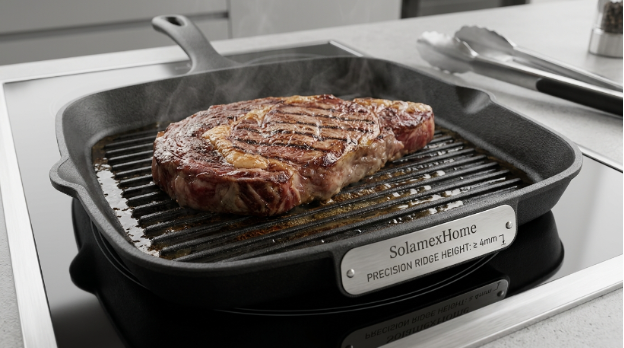
Genuine cast iron delivers even heat distribution and retains warmth long after the burner is off—ideal for searing steaks and baking cornbread. Inferior alloys or thin-walled pans can warp under high heat or leach unwanted metals into food.
B. Longevity & Value
Authentic vintage skillets can last generations and even appreciate among collectors—Griswold “Spider Skillets” have fetched thousands at auction. By contrast, cheap knock-offs often fail within a few years, costing more in replacements and disappointing cooks.
Next, let’s explore the quick visual checks that reveal a skillet’s true composition.
III. Visual Identification
A. Surface Finish
Raw cast iron sports a dull, slightly rough matte texture; modern factory-seasoned pans appear darker but still exhibit subtle sand-cast grain. Beware of glossy painted surfaces that may hide inferior metals.
B. Molded Logos & Size Markings
Authentic skillets feature raised or recessed markings—brand logos and italicized size numbers—cast directly into the metal rather than painted on. Look for these at the handle base or under the pan.
C. Handle & Pour Spouts
Classic American skillets have a sloped ridge handle with an oval hang hole and symmetrical pour spouts. Modern replicas often misshape these details or omit one spout entirely.
Having spotted visual red flags, confirm material authenticity with simple physical tests.

IV. Physical & Sound Tests
A. Ring Test
Tap the skillet’s rim lightly with a wooden spoon: genuine cast iron emits a clear, bell-like ring, whereas inferior metals produce a dull thud.
B. Magnet Test
A strong magnet should cling firmly to cast iron. If it slides off or barely sticks, the pan likely contains other alloys.
C. Weight & Thickness
True cast iron is heavy—a 10″ skillet weighs around 5–6 lbs—and thick-walled. Lightweight or thin pans lack the thermal mass that defines cast iron’s cooking prowess.
With material confirmed, let’s identify specific makers by their hallmark logos.
V. Brand-Specific Markings
A. Griswold
Pre-1957 Griswold skillets bear the iconic slanted “GRISWOLD” across a cross-in-circle logo and often include “ERIE PA.” on the handle.
B. Wagner
Wagner Ware pans use serif fonts reading “WAGNER” or “SIDNEY-O” around a heat-ring rim.
C. Lodge & Modern Makers
Lodge skillets (post-2002) display “MADE IN USA” alongside size/model numbers; earlier Lodge pans lack the full logo.
Other vintage brands (e.g., Birmingham Stove & Range) have unique handle shapes or small mold letters—consult collector guides for details.
Having pinpointed your skillet’s maker, look for age clues in the casting itself.
VI. Age Indicators & Production Clues
A. Pour-Line Ridges & Mold Flash
Early castings show a raised pour-line ridge around the base and small mold flash seams; later automated presses yield smoother bottoms.
B. Date Codes & Batch Stamps
Some mid-century pans include numeric date codes behind size numbers (e.g., “49” for 1949)—check behind the handle.
C. Seasoning Practices
Pre-2002 Lodge pans shipped unseasoned, while modern Lodge comes factory-seasoned with soybean oil—packaging or surface finish can hint at era.
Next, learn how to steer clear of modern fakes and underperforming clones.
VII. Avoiding Fakes & Clones
A. Alloy Knock-Off Traits
Cheap brands may mimic shapes but use aluminum-iron alloys that feel lighter and ring differently when tapped.
B. Over-Crisp Logos & Misprints
Excessively sharp or misaligned logos often signal sand-cast molds made from modern masters—compare against archive photos before buying.
C. Seller Reputation
Purchase from trusted dealers or estate sales. Online auctions carry higher risk of misrepresentation and hidden defects.
VIII. Maintenance & Wear Considerations
A. Seasoning Layers
Thick seasoning can obscure markings. Gently scrub with a stiff brush or mild lye bath to reveal original cast details without damage.
B. Pitting & Rust
Minor pitting is normal in older skillets, but extensive corrosion can hide logos and compromise integrity—factor restoration cost into your purchase decision.
C. Restoration Tips
Use vinegar soaks or controlled acid baths to remove rust, then re-season with high-smoke-point oil for a durable finish.
IX. Conclusion & Next Steps
By combining visual cues, sound and magnet tests, and brand-specific hallmarks, you can confidently identify genuine cast iron skillets Carry a portable magnet and flashlight when hunting thrift shops, and always compare logos against trusted collector resources.
Ready to build your collection of heirloom-quality skillets? Use these techniques to find durable, authentic pans that will serve your kitchen for decades.
X. Cast Aluminum Non-Stick vs. Cast Iron
Having mastered cast iron identification, it’s useful to see how it stacks up against cast aluminum non-stick—a modern favorite for ease of use.
| Feature | Cast Iron | Cast Aluminum Non-Stick |
|---|---|---|
| Weight | Heavy (5–6 lbs for 10″) Offers exceptional heat retention |
Lightweight Easy to maneuver daily |
| Heating | Slow to preheat, retains heat long |
Fast, even heating, fewer hotspots |
| Maintenance | Requires seasoning & hand-washing Risk of rust if neglected |
Dishwasher safe, easy cleanup, low-fat cooking |
| Durability & Cost | Virtually indestructible, can appreciate as heirloom |
Affordable upfront, often lifetime warranties |
Both materials have their merits—cast iron excels for high-heat searing and long-term heirloom value, while cast aluminum non-stick shines with rapid heating, effortless cleanup, and budget-friendly pricing, making it an excellent choice for busy modern kitchens.
If you’re a cast iron aficionado, brands like Lodge, Le Creuset, and Staub offer exceptional heat retention and timeless durability [Source: Serious Eats]. However, for business owners—whether you run a retail operation or manage a chain of restaurants—and you’re looking to purchase cast aluminum non-stick cookware in bulk at competitive rates without sacrificing quality, Solamex stands out as your ideal supplier. By combining the lightweight design and rapid, even heating of cast aluminum with Solamex’s comprehensive product range, you can equip every kitchen station with high-performance pans that are easy to handle, simple to clean, and backed by industry-leading warranties.
In conclusion, mastering the identification of cast iron skillets through visual inspections, physical tests, and brand-specific markers ensures you invest in authentic, long-lasting cookware. While classic cast iron shines for its superior heat retention, durability, and collectible value Serious Eats, the cast aluminum non-stick alternative delivers unparalleled ease of use, faster preheat times, and low-maintenance cleanup. Armed with this knowledge, you can confidently choose the perfect material—whether you favor the heirloom appeal of cast iron or the modern convenience of cast aluminum—to best suit your cooking style and operational needs.
Aluminum vs. Stainless Steel Cookware: Unveiling the Perfect Kitchen Companion
How to Identify Cast Iron Skillets: Master the Basics of Material, Design & Brand Clues