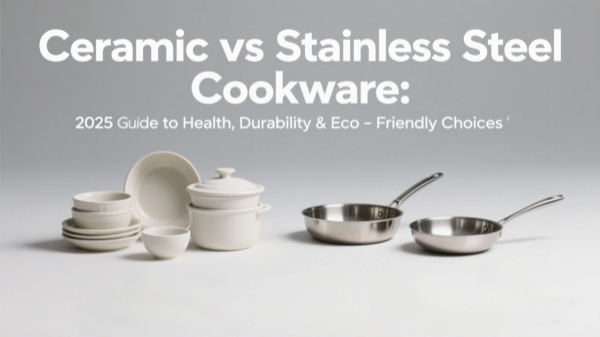
Ceramic vs Stainless Steel Cookware: 2025 Guide to Health, Durability & Eco-Friendly Choices
Introduction
The debate between stainless steel and nonstick cookware continues to divide home cooks and professional chefs. Both materials offer distinct advantages, but the right choice depends on your cooking style, health priorities, and long-term goals. This guide explores the latest advancements in cookware technology to help you make an informed decision in 2025.
From ceramic nonstick coatings to energy-efficient stainless steel production, modern innovations are reshaping the culinary landscape. We’ll analyze performance, safety, sustainability, and more to ensure your kitchen arsenal meets today’s standards.
Material Composition & Construction
| Feature | Stainless Steel | Nonstick |
|---|---|---|
| Typical Construction | 3-ply or 5-ply design (stainless steel + aluminum/copper core) | Cast Aluminum base with PTFE (Teflon) or ceramic coating |
| Heat Resistance | Up to 500°F (260°C) oven-safe | PTFE: 500°F (260°C); Ceramic: 800°F (427°C) |
| Reactivity | Non-reactive, ideal for acidic foods | Coating may react if damaged |
Stainless steel cookware, often made with 18/10 stainless steel, combines durability with even heating through multi-layered construction. Nonstick options rely on synthetic or ceramic coatings for easy food release, though traditional Teflon pans require careful temperature management.
Performance & Cooking Versatility
Stainless Steel: The High-Heat Workhorse
Stainless steel excels at high-heat cooking like searing steaks or stir-frying. Its superior heat retention and resistance to warping make it ideal for oven-baked dishes and braising. Brands like All-Clad and Made In utilize advanced bonding techniques to eliminate hot spots, ensuring consistent results.
Nonstick: Convenience for Delicate Dishes
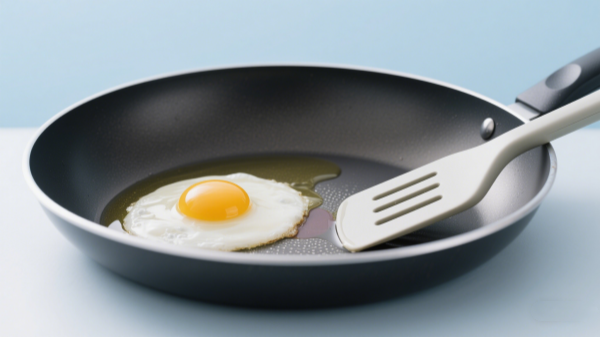
Nonstick cookware simplifies cooking eggs, fish, and pancakes with minimal oil. Ceramic-coated pans like GreenPan’s Valencia Pro series offer PFAS-free alternatives that resist scratches and tolerate higher temperatures than traditional Teflon. However, nonstick coatings degrade over time with abrasive use.
Safety & Health Considerations
Both materials are safe when used properly, but they have different risk profiles:
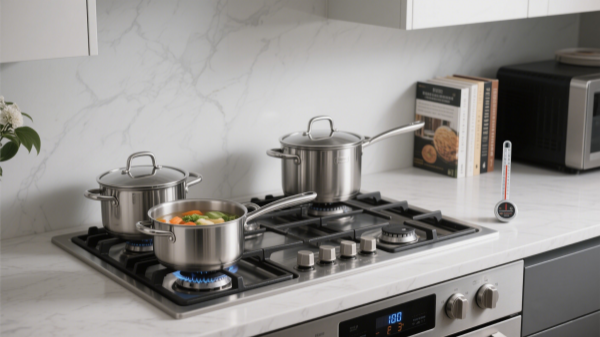
- Stainless Steel: Non-toxic and free of harmful chemicals. Minimal nickel leaching occurs only at extreme temperatures (>400°F/204°C), which can be avoided with proper cooking techniques.
- Nonstick: Modern PFOA-free Teflon is safe below 500°F (260°C), but overheating releases toxic fumes. Ceramic coatings offer safer high-heat performance but may chip over time.
Maintenance & Longevity
Stainless steel requires more effort to clean but lasts decades with proper care. Burnt residue can be removed with baking soda or vinegar, while hand-washing prevents scratches. Nonstick pans clean easily but degrade faster, especially with metal utensils or high heat, often needing replacement every 1–3 years.
Cost Comparison
Stainless steel cookware has a higher upfront cost ($50–$200+) but offers better long-term value due to its durability. Nonstick options are cheaper initially ($20–$100) but incur hidden costs from frequent replacements.
Environmental Impact
Stainless steel is 100% recyclable and energy-efficient to produce. Nonstick coatings, particularly PTFE, pose recycling challenges and contribute to landfill waste. Eco-friendly alternatives like ceramic and diamond-reinforced coatings are gaining traction but remain less common.
Choosing the Right Cookware
Consider these factors:
- High-Heat Enthusiasts: Opt for stainless steel (e.g., All-Clad D3 Everyday Set).
- Health-Conscious Cooks: Ceramic nonstick (e.g., Scanpan) or stainless steel for low-fat meals.
- Eco-Consumers: Stainless steel for recyclability or ceramic nonstick for reduced chemical use.
Top Brands & Practical Tips
Stainless Steel Recommendations
- All-Clad: Premium 5-ply sets for professional performance.
- Made In: Affordable 3-ply options with excellent heat distribution.
Nonstick Recommendations
- Scanpan: Durable ceramic nonstick with sustainable manufacturing practices.
- Hexclad: Hybrid cookware combining stainless steel strength with nonstick convenience.
Practical Tips
- Season stainless steel pans properly to enhance nonstick properties.
- Avoid metal utensils on nonstick coatings to extend lifespan.
- Preheat stainless steel pans gradually to prevent warping.
Conclusion
Stainless steel and nonstick cookware each excel in specific scenarios. Stainless steel offers unmatched durability and versatility for high-heat cooking, while nonstick simplifies everyday meals with easy cleanup. By prioritizing your cooking habits, health concerns, and environmental values, you can build a balanced kitchen arsenal that lasts.
For long-term reliability, invest in high-quality stainless steel. Supplement with ceramic nonstick pans for delicate dishes. The ultimate solution? A combination of both materials to tackle any culinary challenge.
Interactive Poll
Which factor matters most to you when choosing cookware?
Frequently Asked Questions
Ceramic vs Stainless Steel Cookware: Health, Durability & Cooking Performance Compared
Induction Nonstick Cookware Mastery Efficiency Safety and Care Essentials