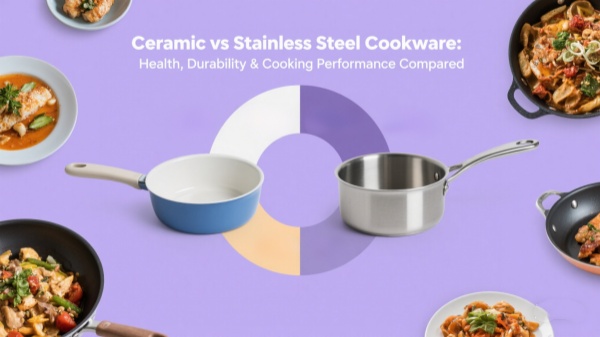
Ceramic vs Stainless Steel Cookware: Health, Durability & Cooking Performance Compared
I. Introduction
Choosing the right cookware can dramatically influence your cooking performance, kitchen safety, and long-term investment. Whether you’re a home cook or professional chef, understanding the trade-offs between stainless steel vs nonstick cookware is essential. In this comprehensive guide, we’ll explore each type’s construction, cooking performance, health considerations, care needs, cost, environmental footprint—and even answer your most common questions. By the end, you’ll know exactly which pan belongs on your stove.
Thinking about upgrading your cookware? Scroll down or use the table of contents to jump to the sections that matter most to you. Ready to become a more confident cook?
II. What Is Stainless Steel Cookware?
1. Composition & Construction
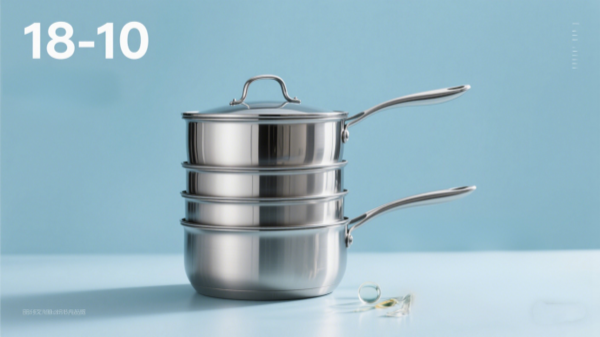
High-quality stainless steel cookware typically uses 18/10 stainless steel, which contains 18% chromium and 10% nickel for superior corrosion resistance and a polished finish. Many premium brands employ a multi-ply (clad) design, sandwiching an aluminum or copper core between layers of stainless steel to ensure rapid and even heat distribution from the base to the rim.
2. Key Advantages
- High-heat tolerance: Perfect for searing steaks, stir-frying vegetables, and finishing dishes under the broiler. Oven-safe up to 600°F on most models.
- Non-reactive surface: Ideal for deglazing and acidic ingredients like tomato sauces or wine reductions, without imparting metallic flavors.
- Longevity: When properly maintained, stainless steel cookware can last decades, making it a favorite among professional kitchens.
3. Limitations
- Food adhesion: Delicate fish or eggs can stick if the pan isn’t preheated correctly and a small amount of fat isn’t used.
- Cleaning effort: Burnt-on bits may require soaking, deglazing, or gentle abrasive scrubs to restore the gleam.
III. What Is Nonstick Cookware?
1. Types of Coating
Traditional nonstick cookware relies on PTFE (Teflon®) coatings, which are now manufactured without PFOA. In response to health and environmental concerns, many makers offer ceramic-based (PFAS-free) coatings—marketed as “green” alternatives. Each has its own balance of durability, heat tolerance, and release performance.
2. Key Benefits
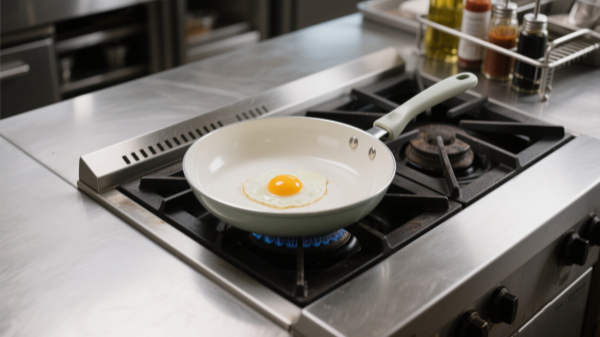
- Effortless release: Eggs, pancakes, and delicate fish glide right off, making cleanup a breeze.
- Healthier cooking: Minimal oil or butter is needed, helping you prepare lower-fat meals with ease.
- Beginner-friendly: Even novice cooks can achieve consistent results without mastering precise heat control.
3. Drawbacks
- Lower maximum temperature: PTFE coatings degrade above ~260°C, while ceramic may tolerate up to ~370°C. Overheating can release fumes or damage the surface.
- Shorter lifespan: Typical nonstick pans last 1–3 years under regular use before the coating begins to flake or scratch.
- Utensil restrictions: Metal tools can gouge the coating—silicone, wood, or nylon utensils are recommended.
IV. Performance Comparison
Let’s see how these two cookware types stack up across key performance metrics:
| Metric | Stainless Steel | Nonstick |
|---|---|---|
| Heat Conductivity | Excellent with aluminum/copper core for uniform heating | Good with cast aluminum or other aluminum base; slight hot spots at edges |
| Cooking Style | Searing, deglazing, sauce-making & browning | Low-fat frying, reheating, one-pan recipes |
| Temperature Range | Safe to 600°F (oven & broiler) | Safe to ~260°C (PTFE) / ~370°C (ceramic) |
| Cleanup | Requires soaking & occasional scrubbing | Quick wipe or gentle hand-wash |
V. Health & Safety Considerations
Chemical safety: Modern nonstick coatings are PFOA-free, but overheating scratched pans can release trace PTFE particles—always cook on medium heat and retire pans with damaged surfaces.
Metal leaching: New stainless steel cookware may initially leach trace nickel and chromium into very acidic dishes, but levels are extremely low and well under health guidelines.
Ventilation tip: When searing or frying at high heat—especially in stainless steel—ensure good kitchen ventilation to remove smoke or cooking odors.
VI. Maintenance & Care
1. Cleaning
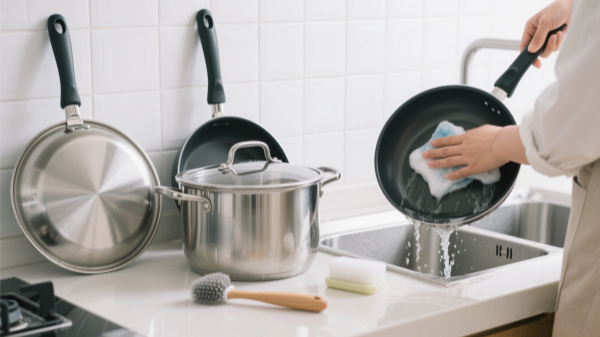
Stainless steel: After cooking, deglaze by adding a splash of water or stock to loosen fond; use non-abrasive pads or a paste of baking soda for stubborn spots.
Nonstick: Always hand-wash with a soft sponge and mild detergent; avoid stacking pans without protective liners to prevent scratching.
2. Longevity Tips
- Seasoning stainless steel: Rub a thin layer of high-smoke-point oil into the surface before first use to create a partial nonstick effect.
- Smart storage: Hang pans or use protective sleeves between stacked nonstick cookware.
- Utensil care: Reserve metal tools for stainless steel and use silicone or wood in nonstick pans.
VII. Cost & Value
Initial investment: A quality stainless steel set ranges from $200–$1,000+, while a reliable nonstick skillet can start as low as $30–$100 depending on brand and coating type.
Long-term ROI: Stainless steel’s multi-decade lifespan often offsets its higher upfront cost. Nonstick pans may require replacement every 2–3 years, raising the total cost of ownership over time.
Brand & warranty: Look for lifetime warranties with premium stainless makers (All-Clad, Made In) and 1–5 year coverage on top nonstick brands (GreenPan, Solamex).
VIII. Environmental Impact
Stainless steel production is energy-intensive but the metal is 100% recyclable at end-of-life, often re-entering the manufacturing cycle.
Nonstick coatings involve fluoropolymers that require careful disposal; ceramic-coated pans reduce PFAS use but still depend on specialized recycling streams.
IX. How to Choose for Your Kitchen
- Everyday versatility: If you cook a wide range of dishes and want one set to rule them all, stainless steel is your workhorse.
- Ease & health: For quick breakfasts, low-fat dinners, and minimal cleanup, nonstick pans shine.
- Balanced approach: Many home chefs keep both: stainless for high-heat searing and sauces, nonstick for eggs, pancakes, and delicate fish.
X. Frequently Asked Questions
- 1. Can I use metal utensils on stainless steel cookware?
- Yes—metal tools won’t damage stainless steel. In fact, they help deglaze pans and lift fond for sauces.
- 2. How often should I replace my nonstick pan?
- Plan to replace heavily-used nonstick pans every 2–3 years, or sooner if you notice scratches or chipping in the coating.
- 3. Is ceramic nonstick healthier than PTFE?
- Ceramic coatings are PFAS-free, but may be less durable than PTFE. Both are safe when used below their recommended temperature limits.
- 4. Can I put my cookware in the dishwasher?
- Check manufacturer guidelines. Most stainless steel sets tolerate dishwasher cleaning, but hand-washing extends shine. Nonstick pans generally require gentle hand-washing.
XI. Conclusion
Both stainless steel and nonstick cookware bring distinct strengths to your kitchen. Stainless steel offers unmatched durability, high-heat performance, and versatility—while nonstick provides effortless cooking and easy cleanup. By matching pan type to your cooking habits, budget, and maintenance preferences, you can build a cookware collection that elevates every meal. Which one will you reach for first?
4 Quart Pot: The Perfect Kitchen Essential for Versatile Cooking
Ceramic vs Stainless Steel Cookware: 2025 Guide to Health, Durability & Eco-Friendly Choices