Choosing the Right Cookware: Deep Frying Pan vs. Other Pans
Introduction
A deep frying pan is a versatile and essential kitchen tool, offering the depth and heat distribution needed for perfect frying. However, with so many types of cookware available, it's crucial to understand how a deep frying pan compares to other common options like skillets, woks, sauté pans, and pizza pans. This guide will break down the key differences, helping you determine the best cookware for your needs.
Understanding the Deep Frying Pan
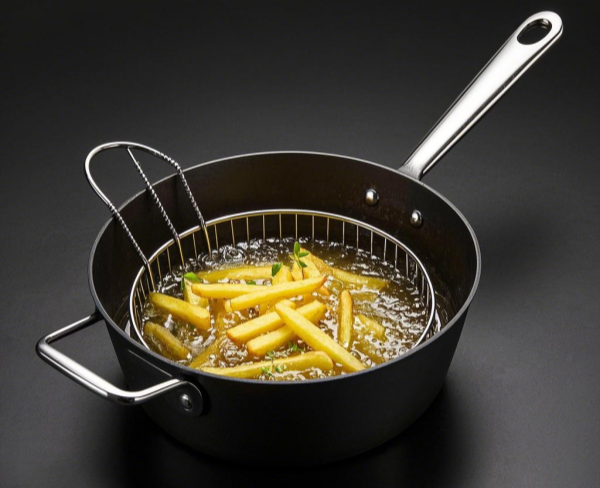
A deep frying pan is designed for high-temperature cooking with hot oil, ensuring even frying while minimizing splatter. Unlike standard frying pans, it features taller sides, which help contain oil and provide a larger cooking surface.
Key Features of a Deep Frying Pan:
- Depth: Typically between 3 to 6 inches, preventing oil spillage.
- Material: Often made of stainless steel, cast iron, or aluminum for durability.
- Heat Distribution: Some models feature multi-layered construction for even cooking.
- Handles: Longer or heat-resistant handles ensure safe handling.
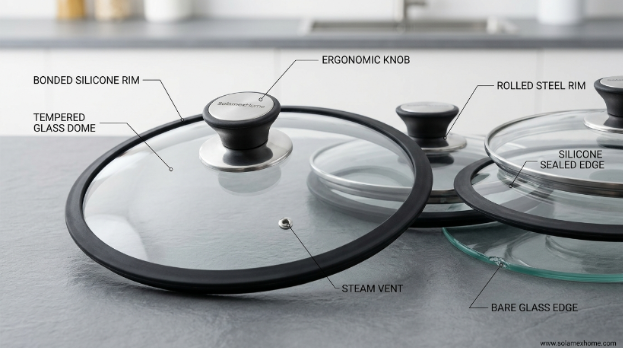
- Lids & Baskets: Some come with lids to reduce splatter and baskets for easy frying.
Deep frying pans are ideal for making crispy fried chicken, French fries, tempura, and more, ensuring even cooking and oil retention. But how do they compare to other cookware?
Comparing Deep Frying Pans to Other Cookware
Deep Frying Pan vs. Skillet (Regular Frying Pan)
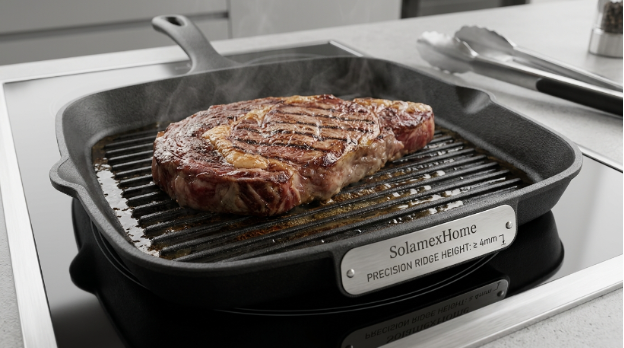
- Size & Depth: Skillets are shallower (usually 1.5 to 2 inches deep) and work best for sautéing and searing rather than deep frying.
- Oil Usage: A deep frying pan requires more oil, whereas a skillet is better for minimal-oil cooking.
- Heat Retention: Cast iron skillets hold heat exceptionally well but lack the depth required for deep frying.
Deep Frying Pan vs. Wok
- Shape: A wok has a rounded bottom, which allows food to be tossed easily, whereas a deep frying pan has a flat, wide base for even frying.
- Oil Efficiency: Woks use less oil due to their concave shape, while deep frying pans require more oil for immersion frying.
- Cooking Style: Woks are perfect for stir-frying and high-heat cooking, while deep frying pans excel at crisp frying.
Deep Frying Pan vs. Sauté Pan
- Side Height: Sauté pans have taller, straight sides, allowing for liquid-heavy cooking (e.g., simmering and braising), whereas deep frying pans are designed for dry frying.
- Lid Usage: Sauté pans often include lids for retaining moisture, which isn’t ideal for frying.
- Cooking Surface: A sauté pan provides more surface area, making it better for evenly searing meats.
Deep Frying Pan vs. Pizza Pan
- Purpose: A pizza pan is designed for evenly baking pizzas with a flat, perforated, or solid base, whereas a deep frying pan is for cooking in hot oil.
- Material: Pizza pans are typically made of thin aluminum or steel for quick heat transfer, while deep frying pans require thicker, heat-retentive materials.
- Cooking Style: Deep frying pans work for crispy, fried dishes, while pizza pans are meant for oven baking.

How to Choose the Right Pan for Your Needs
For Home Cooks
If you primarily cook at home, consider versatility. A deep frying pan is excellent for frying but may not replace a skillet or sauté pan. If you deep-fry often, investing in a heavy-duty stainless steel or cast iron deep frying pan will enhance your cooking.
For Professional Kitchens
Restaurants and catering businesses need cookware that’s durable and efficient. A stainless steel or multi-layered deep frying pan is a must-have, while woks and sauté pans provide additional versatility. Non-stick deep frying pans are also useful for quick, easy cleaning in fast-paced environments.
For Small Business Owners & B2B Suppliers
Understanding your customer’s needs is key. Businesses should stock and wholesale high-quality, commercial-grade deep frying pans that can handle frequent use. Offering multiple sizes and material options will attract different buyer groups, from home chefs to restaurant owners.
Conclusion: Finding the Right Pan for Your Kitchen
Each type of pan serves a unique purpose. If you frequently fry food and need depth, heat retention, and safety, a deep frying pan is the best choice. However, for stir-frying, searing, or baking, alternatives like woks, skillets, and pizza pans may be more suitable.
Before making a purchase, ask yourself: What do I cook most often? Whether you’re a home chef, a restaurant owner, or a cookware supplier, choosing the right pan ensures better cooking efficiency, safety, and longevity.
The Modern Deep Frying Pan: Versatility, Innovation, and Market Trends
Best Practices for Deep Frying Pans: Temperature Control, Maintenance & Longevity