Choosing the Right Stockpot for You: A Comprehensive Guide to Capacity, Material, and Design
I. Introduction
A stockpot is one of the most essential tools in any kitchen. Whether you're simmering a hearty beef broth, boiling pasta for a family dinner, or preparing a large batch of soup, the right stockpot can make all the difference in your cooking experience. In this article, we will guide you through a comprehensive process to determine the perfect stockpot for your needs. We will address not only how to decide on the right capacity, but also what other critical factors to consider when choosing a stockpot, ensuring that your purchase is both practical and durable.
II. Why Stockpot Size Matters
The size of your stockpot plays a crucial role in its cooking efficiency. A pot that is too small can result in uneven heating and may not accommodate the volume of ingredients needed for a particular recipe. Conversely, a pot that is excessively large can be unwieldy and may lead to safety issues such as spills or difficulty in handling.
Heat distribution and boiling speed are two key factors influenced by the size of the stockpot. A well-sized pot ensures that heat is evenly distributed, resulting in faster boiling times and a more consistent cooking process. Moreover, the capacity of your stockpot determines how many servings you can prepare at one time—making it an essential consideration whether you're cooking for a small family or hosting a large gathering.
In summary, choosing the right stockpot size is not just about capacity—it affects the entire cooking process from start to finish, influencing both the quality of your dishes and your overall cooking experience.
III. How to Choose the Right Stockpot Capacity
When it comes to deciding on the perfect stockpot capacity, considering your cooking habits and requirements is paramount. Below are several points to help you determine how big of a stockpot you need.
1. Based on the Number of Servings and Dish Volume
Your choice largely depends on how many people you typically serve:
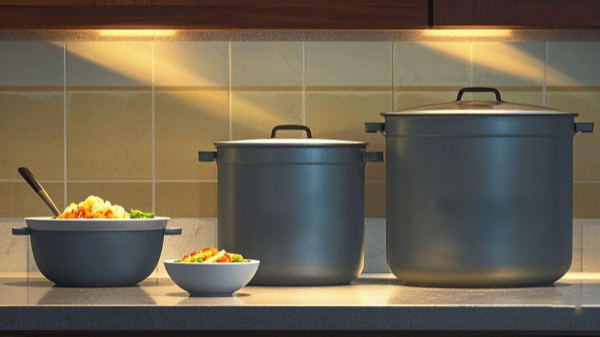
- For small-scale cooking (1-2 people): A 7-quart stockpot is usually sufficient. It is compact enough for single or couple servings and ideal for recipes that require a smaller volume.
- For an average household (3-4 people): An 8-quart stockpot is the most versatile and popular option. This size can easily handle everyday cooking needs, from soups to pasta.
- For larger families or gatherings (5 or more): A 12-quart or larger stockpot is recommended. This capacity allows you to cook large batches, perfect for family dinners, parties, or meal prepping for the week.
2. Considering Cooking Purposes
Think about what you will primarily use the stockpot for:
- Soups, stews, and broths: A larger pot will help you prepare generous quantities without overcrowding, ensuring ingredients have enough room to release their flavors.
- Pasta or large-batch sauces: Adequate capacity is crucial when boiling pasta or making sauce to avoid overcrowding and ensure even cooking.
- Canning and preserving: If you plan on canning fruits, jams, or pickles, the extra volume allows you to safely process jars without risking spills.
3. Space Requirements During Cooking
When mixing liquids and solid ingredients, it is essential to account for the total volume:
- The physical size of ingredients such as bones and vegetables can add significant volume.
- Leaving ample space prevents the pot from being overfilled, which can lead to dangerous boiling over and messy cleanup.
4. User Habits and Future Needs
Finally, consider your personal cooking style:
- If you frequently cook large portions or like having leftover stock for future use, opt for a larger capacity.
- Think about potential changes in your cooking habits—if you plan to experiment with new recipes or host gatherings, choosing a stockpot with a little extra capacity may be wise.
- For commercial kitchens or professional settings, larger stockpots (20+ quarts) are essential for high-volume cooking, batch production, and maintaining consistent results. They also save time and energy by reducing the need for multiple batches.
Below is a simple comparison table to illustrate common stockpot capacities and their ideal uses:
| Capacity (Quarts) | Ideal For | Common Uses |
|---|---|---|
| 6 Quarts | 1-2 People | Small soups, sauces, single servings |
| 8 Quarts | 3-4 People | Everyday cooking, soups, pasta, stews |
| 12 Quarts+ | 5+ People or Large Gatherings | Large batches, meal prep, family gatherings |
By evaluating your current needs and anticipating future requirements, you can make an informed decision on the right capacity that will serve you well for years to come.
IV. Other Key Factors to Consider When Choosing a Stockpot
While capacity is a crucial element in your decision, other factors also play a significant role in selecting the perfect stockpot. Let’s explore these factors to ensure your chosen pot meets all your cooking needs.
1. Material and Construction
The material of the stockpot greatly influences its performance:
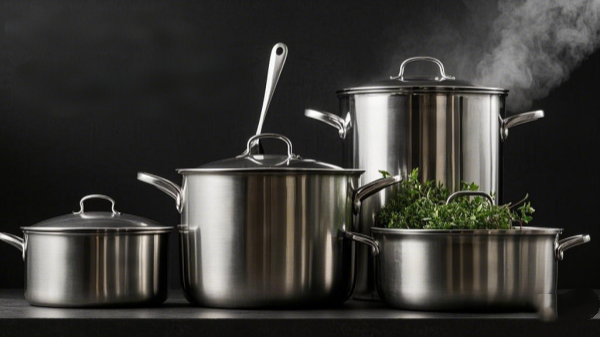
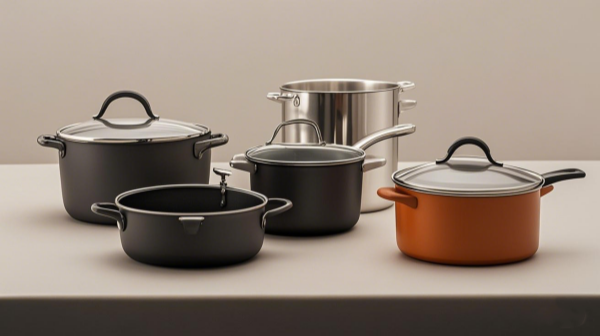
- Stainless Steel: Durable and non-reactive, often combined with an aluminum or copper core for improved heat distribution.
- Aluminum or Composite Materials: Offer quick, even heating but may require extra care to prevent corrosion or warping.
2. Shape and Design
The design of the stockpot can affect its usability:
- Proportions: Short and wide pots facilitate stirring and pouring, while tall and narrow pots provide consistent heat distribution.
- Base Thickness and Side Walls: A thicker base and well-designed walls help prevent hot spots and ensure even cooking.
3. Handles and Lids
Comfort and safety are paramount when handling a heavy pot:
- Handles: Look for sturdy, ergonomically designed handles that remain cool and provide a secure grip, even when the pot is full of hot liquid.
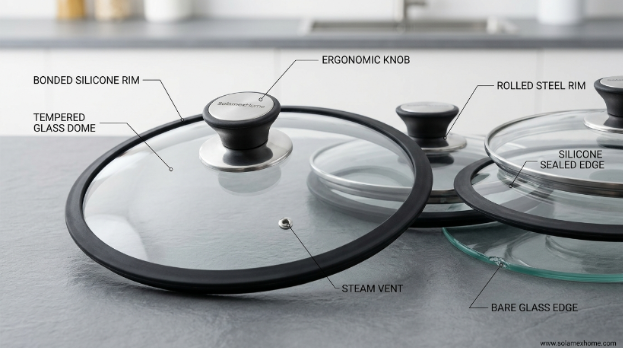
- Lid: A tight-fitting lid helps reduce evaporation, retain heat, and allows you to monitor your cooking process easily—especially if it’s made of transparent material.
4. Weight and Storage Considerations
Consider both the empty and full weight of the pot:
- A heavier pot might offer better heat retention but can be difficult to move around.
- Ensure the pot fits comfortably on your stovetop and can be stored easily in your kitchen cabinets.
5. Budget and Value for Money
Finally, your budget plays a role in determining the best option:
- There are excellent economic options as well as high-end, professional-grade stockpots available.
- Evaluate the long-term durability and performance benefits to determine the best investment for your cooking needs.
By balancing these factors, you can choose a stockpot that not only meets your capacity requirements but also offers superior performance and longevity.For retailers or chain restaurants seeking wholesale cookware solutions, considering Solamex is an excellent choice. Solamex specializes in providing high-quality, durable cookware designed to meet the demands of professional kitchens, ensuring both efficiency and reliability in your culinary operations.For retailers or chain restaurants seeking wholesale cookware solutions, considering Solamex is an excellent choice. Solamex specializes in providing high-quality, durable cookware designed to meet the demands of professional kitchens, ensuring both efficiency and reliability in your culinary operations.
V. Frequently Asked Questions (FAQ)
1. What is the ideal stockpot size for an average household?
For most families, an 8-quart stockpot strikes the perfect balance between capacity and ease of use. It is versatile enough for everyday cooking and large enough for occasional big meals.
2. Can I use a stockpot for purposes other than making stock?
Absolutely. Stockpots are multipurpose. They are excellent for making soups, stews, boiling pasta, and even for canning preserves. Their large capacity makes them ideal for any recipe requiring substantial volume.
3. How does the shape of a stockpot affect its cooking performance?
A stockpot’s shape influences heat distribution and stirring ease. A short, wide pot is great for even heating and easy stirring, while a tall, narrow pot may offer more consistent temperature control but can be harder to manage when stirring.
4. Which material is best for durability and even heat distribution?
Stainless steel with an aluminum or copper core is widely regarded as the best choice. It combines durability with excellent heat distribution and is non-reactive with acidic foods.
5. Do I need special handles or a particular lid for safety?
Yes. Look for stockpots with well-designed, sturdy handles that are ergonomically placed to prevent burns. A tight-fitting, often transparent lid can help monitor the cooking process and minimize evaporation.
VI. Summary & Recommendations
In conclusion, choosing the right stockpot involves a careful balance between capacity and design features. For smaller households, a 6-quart pot may be adequate, while an 8-quart model is ideal for most families. Larger families or those who frequently cook in bulk should consider a 12-quart or larger option.
Beyond capacity, factors such as material quality, shape, handle design, and budget are crucial. A well-constructed stockpot made of stainless steel with an aluminum or copper core offers excellent heat distribution and durability. Additionally, ergonomic handles and a secure lid significantly enhance safety and ease of use.
Ultimately, the best stockpot is the one that meets your specific cooking needs while fitting comfortably in your kitchen. Whether you’re cooking everyday meals or preparing dishes for a large gathering, carefully consider your requirements and choose a pot that offers the perfect balance of performance and convenience.
We hope this guide has provided valuable insights into selecting the right stockpot for your kitchen. Please feel free to share your experiences or ask additional questions in the comments below. Your feedback helps us create content that is both useful and engaging!
How Big of a Stockpot Do I Need? A Complete Sizing Guide
The Ultimate Guide to Soup Pot Capacity: Choosing the Right Size for Your Culinary Needs