Cleaning & Restoring Stainless Steel Cookware: Expert Tips
Stainless steel cookware is a staple in many kitchens, prized for its durability, even heat distribution, and healthy cooking benefits. However, regular use can lead to challenges such as burned-on food, stubborn oil residues, fingerprints, and scratches that detract from its gleaming appearance and performance.
In this comprehensive guide, we will explore why your stainless steel pan might burn, how to remove fingerprints and stubborn residues, and the best techniques for cleaning a burned or scorched pan. We will also provide preventative maintenance tips and compare the cleaning ease of stainless steel with other cookware materials to help you choose the best option for your kitchen.
1. Understanding Stainless Steel Cookware
1.1 Construction & Types
High-quality stainless steel cookware typically features a multi-layer composite structure, such as an aluminum core sandwiched between stainless steel layers. This design ensures even heating and rapid temperature response – one of the many stainless steel pan benefits that professional chefs appreciate.
Common types of stainless steel cookware include frying pans (skillets), saucepans, stockpots, and even grill pans. Each type is designed for specific cooking tasks; for example, frying pans are often used for searing and sautéing, while saucepans are ideal for simmering soups and sauces.

1.2 Advantages & Disadvantages (From a Cleaning Perspective)
Advantages: Stainless steel cookware is known for its durability, non-reactivity, and suitability for high-temperature cooking. It is healthy and safe as it does not leach chemicals into food. Additionally, with proper cleaning techniques, it can be restored to a near-new shine.
Disadvantages: Despite its strengths, stainless steel is prone to issues such as burning, fingerprint marks, stubborn oil residues, and discoloration if not maintained properly. Sudden temperature changes can even cause the cookware to warp, further complicating cleaning.
2. Cleaning Methods & Techniques
2.1 Daily Cleaning
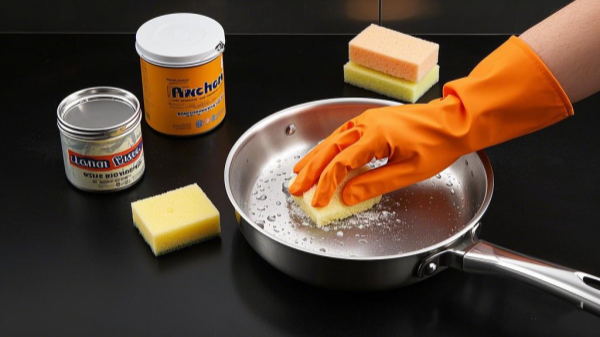
For everyday use, it is best to wash your stainless steel pans with warm water, mild dish soap, and a non-abrasive sponge. This method effectively removes grease, food particles, and those pesky fingerprints off stainless steel surfaces. Always remember to dry your cookware immediately to avoid water spots and mineral deposits.
2.2 Deep Cleaning for Burned & Burnt Oil Residues
When facing tougher issues such as burned stainless steel pans or stubborn burnt oil, a deeper cleaning process is required:
- Boiling Water Method: Pour a small amount of water into the pan (just enough to cover the bottom) and bring it to a boil. The high temperature helps loosen the burned-on food, making it easier to scrape off gently with a wooden spatula. This method is especially effective for cleaning the bottom of stainless steel pans.
- Baking Soda & White Vinegar: Create a paste by mixing baking soda with a little water or white vinegar. Apply this paste to areas with stubborn burnt oil or residues. Let it sit for a few minutes, then scrub gently with a soft sponge. This approach addresses both burnt oil on stainless steel pans and persistent burns.
- Specialized Cleaners: Products like Bar Keepers Friend or Bon Ami are excellent for deep cleaning. Follow the instructions carefully – usually a small amount is enough to remove even the most stubborn stains without damaging the cookware.
2.3 Removing Fingerprints, Scratches & Restoring Shine
Even after deep cleaning, your stainless steel cookware may show fingerprints or minor scratches. To address these:
- Fingerprints: Wipe the surface with a microfiber cloth moistened with a solution of warm water and white vinegar. For extra shine, a few drops of olive oil applied in the direction of the grain can work wonders.
- Scratches: For light scratches, use a non-abrasive polishing compound or a 0000-grade steel wool pad with gentle circular motions. Be sure to rinse and dry thoroughly afterward.
- Restoration: Regular polishing with a stainless steel cleaner can help restore your cookware’s original luster. Consistent maintenance ensures that even aged pans can look and perform like new.
3. Preventative Maintenance & Cleaning Tips
3.1 Preventing Burnt Residues & Burned-On Food
Many of the cleaning challenges—such as why does my stainless steel pan burn—stem from improper preheating and temperature control. Always preheat your pan adequately before adding oil or food. A simple test is to flick a few drops of water onto the pan; if they dance around (demonstrating the Leidenfrost effect), the pan is at the correct temperature. This step prevents food from sticking and burning.
3.2 Proper Usage & Immediate Cleaning
To reduce cleaning difficulties:
- Clean your pan immediately after use. Residual food can burn onto the surface, making deep cleaning necessary.
- Avoid shocking the pan by pouring cold water on a hot pan, as this can cause warping and increase cleaning challenges later.
- Use only non-abrasive cleaning tools and mild detergents to preserve the pan’s finish.

3.3 Correct Storage Practices
Store your stainless steel cookware properly to prevent scratches and further dirt accumulation. Use pan protectors or hang the pans when possible. This not only maintains their appearance but also makes future cleaning easier.
4. Cookware Material Comparison and Purchase Recommendations from a Cleaning Perspective
4.1 Comparison of Ease of Cleaning: Stainless Steel vs. Other Materials
| Material | Cleaning Ease | Maintenance | Longevity |
|---|---|---|---|
| Stainless Steel | Multiple methods available: boiling water, baking soda & vinegar, specialized cleaners | Requires immediate cleaning to avoid burned-on food and fingerprints; non-abrasive tools recommended | Highly durable when properly maintained; can be restored to a near-new shine |
| Cast Iron | Can be challenging: requires seasoning and careful scrubbing without damaging the patina | Needs regular re-seasoning and careful drying to prevent rust | Extremely long-lasting if well cared for, but maintenance is labor-intensive |
| Nonstick (Ceramic/Traditional) | Easy to clean with mild detergent, but must avoid harsh scrubbers to preserve coating | Susceptible to coating damage; requires gentle cleaning and limited use of metal utensils | Effective for a period, but coatings degrade over time and require replacement |
4.2 Recommendations Based on Cleaning Needs
If your priority is easy cleaning and restoration, high-quality stainless steel cookware stands out. Its versatility in cleaning methods—from gentle daily washing to deep cleaning of burned residues—makes it a top choice for both home cooks and professionals.
For those willing to invest extra time in maintenance, cast iron offers excellent cooking performance but demands a rigorous cleaning and seasoning routine. Nonstick cookware, while simple to clean on a daily basis, risks damage if not handled with care.
Moreover, for businesses that purchase cookware in bulk, Solamex's cookware is an excellent option. Not only has Solamex continually tackled the challenge of cleaning performance, but its cooking quality and competitive pricing also make it a market leader.
Conclusion
Maintaining the pristine condition of your stainless steel cookware does not have to be a daunting task. By understanding the inherent benefits and challenges of stainless steel—from its multi-layer construction and high-temperature performance to its tendency to show burned-on residues and fingerprints—you can adopt a comprehensive cleaning and maintenance routine.
Whether you’re tackling everyday grease with warm soapy water or deep-cleaning a burned pan using boiling water, baking soda, or specialized cleaners like Bar Keepers Friend, these methods help restore your cookware’s shine and functionality. Additionally, proper preheating, immediate cleaning after use, and correct storage practices are key to preventing stubborn stains and scratches.
Finally, when comparing stainless steel to other cookware materials, its durability and ease of restoration make it a standout choice for many kitchens. By following these expert tips, you’ll ensure that your stainless steel pans remain a reliable and beautiful tool for your culinary adventures.
We invite you to share your own cleaning tips and experiences in the comments below. Your insights could help others achieve a sparkling kitchen!
Complete Wok Handbook: Choose Material, Size & Perfect Stir-Fries
Ultimate Guide to Choosing the Best Grill Pan for Your Kitchen