Commercial Cookware 2025: Complete Guide to Materials, Selection & Maintenance
In the fast-paced world of professional kitchens, the right cookware isn't just a tool—it's the foundation of efficiency, consistency, and quality. This comprehensive guide breaks down everything you need to know about commercial cookware in 2025, from material science to smart kitchen integration, helping you make informed decisions that align with your operational needs.
1. Core Understanding: Material Science & Performance Analysis
1.1 Material Comparison & Scene Adaptation
Stainless Steel
18/10 commercial-grade stainless steel, composed of 18% chromium and 10% nickel, offers exceptional corrosion resistance—critical for busy kitchens handling acidic ingredients like tomatoes and citrus. Its non-reactive properties make it ideal for preparing a wide range of dishes without altering flavors.
Fully clad stainless steel, featuring an aluminum or copper core bonded between layers of stainless steel, addresses the metal's poor heat conductivity. This construction ensures uniform heat distribution, eliminating hot spots that can ruin delicate sauces or proteins.
Aluminum
Anodized aluminum undergoes an electrolytic process that forms a protective oxide layer, solving the material's traditional issue with reacting to acidic foods. This treatment also significantly increases surface hardness, making it 30% more scratch-resistant than standard aluminum. Die cast aluminum cookware, with its heavy-gauge construction and superior heat retention, is also an excellent option, particularly shining in applications like stock pots and Dutch ovens where steady, uniform heat distribution is key.
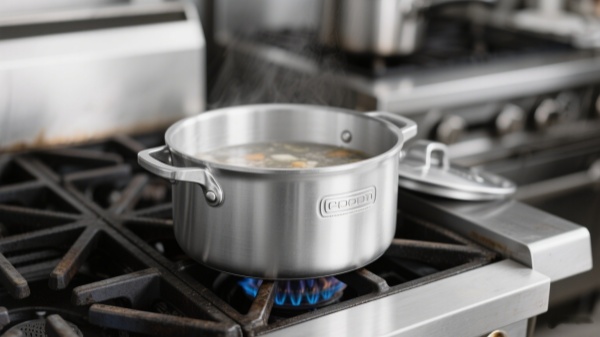
While lightweight (40% lighter than stainless steel of equal size), anodized aluminum requires careful temperature management—sustained heat above 500°F (260°C) can degrade the oxide layer over time. This makes it better suited for medium-heat applications like sautéing rather than high-heat searing.
Cast Iron
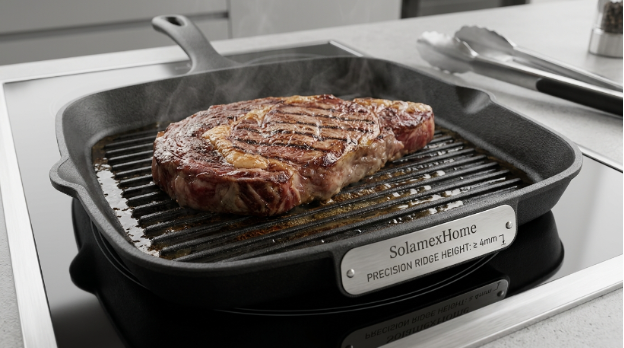
Pre-seasoned cast iron comes treated with polymerized oil, creating a natural non-stick surface that improves with use. This seasoning process fills the metal's porous surface, preventing food adhesion and reducing the need for excessive oil.
With exceptional heat retention (specific heat capacity of 0.46 J/g·°C), cast iron excels in slow-cooking applications and high-temperature searing. Its ability to maintain consistent temperatures makes it a staple in BBQ restaurants and steak houses.
Copper
Copper's superior thermal conductivity (401 W/m·K) allows for precise temperature control—essential for professional pastry work and delicate sauces. This responsiveness enables chefs to adjust heat rapidly, preventing overcooking.
However, pure copper reacts with acidic foods, requiring a tin or stainless steel lining. The soft metal also dents easily, making it high-maintenance for busy commercial kitchens. Many establishments reserve copper cookware for specific tasks like candy making rather than general use.
1.2 Emerging Material Technologies
Ceramic coatings now offer improved durability. Testing per ASTM G99 standards shows these coatings can withstand 100,000+ abrasion cycles—double the lifespan of traditional non-stick coatings. They also meet EU food contact regulations (EC 1935/2004), ensuring safety with food contact. Ceramic stock pots, featuring these enhanced ceramic coatings, excel in slow-cooking applications, retaining consistent temperatures while resisting discoloration from prolonged contact with acidic ingredients.
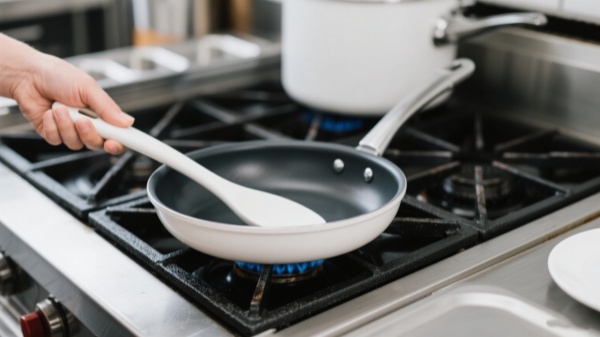
Composite materials incorporating silicon carbide (SiC) demonstrate remarkable thermal response, with temperature changes as rapid as ΔT < 1.5°C/second. This technology bridges the gap between aluminum's conductivity and stainless steel's durability, particularly in wok applications where quick temperature adjustments are critical.
2. 2025 Buying Guide: Technical Indicators & Decision Models
2.1 Core Evaluation Parameters
| Evaluation Dimension | Key Indicators | Industry Benchmark | Data Source |
|---|---|---|---|
| Heat Uniformity | Temperature difference ΔT (°C) | ≤5°C (ISO 22000 certified) | International Organization for Standardization |
| Durability | Salt spray test duration (hours) | ≥1000 hours (ASTM B117) | ASTM International |
| Energy Efficiency | Heat conversion rate (%) | ≥85% (Energy Star certified) | U.S. Environmental Protection Agency |
2.2 Scenario-Based Decision Trees
Choosing the right cookware depends heavily on your specific operational needs. Here's how to match materials to common commercial kitchen scenarios:
Fast Food Chains
Priority should go to anodized aluminum skillets (237 W/m·K thermal conductivity) paired with smart temperature-controlled fryers featuring IoT remote monitoring. This combination balances speed, durability, and consistent results for high-volume cooking.
Fine Dining Restaurants
Invest in copper-core stainless steel woks (heat response time < 2 seconds) and induction-compatible pans (power density ≥3.5 kW). These tools offer the precision needed for complex dishes while integrating with modern energy-efficient cooking systems.
Bakery Workshops
Enameled cast iron Dutch ovens (heat capacity 2.4 kJ/kg·K) and multi-layer steam ovens (humidity control ±2%) provide the consistent heat and moisture regulation essential for artisanal breads and pastries.
3. Maintenance Systems: Scientific Methods to Extend Lifespan
3.1 Preventive Maintenance Procedures
Daily Maintenance
- For stainless steel: Use a citric acid solution (pH 4.5-5.5) for descaling, soaking for 15 minutes to remove mineral deposits without damaging the surface.
- For cast iron: Apply a thin layer of linseed oil after cleaning, heating gently to polymerize the oil and reinforce the seasoning.
- For non-stick coatings: Use soft nylon scrubbers and avoid abrasive cleaners that can degrade the surface.
Monthly Maintenance
- Copper cookware: Polish using a paste of vinegar, flour, and salt, then rinse thoroughly to maintain conductivity and appearance.
- Aluminum cookware: Conduct surface resistance tests to check anodization integrity—resistance below 100kΩ indicates potential issues.
- All materials: Inspect for warping, particularly around handles and connection points, which can affect heat distribution.
3.2 Troubleshooting & Repair
Non-stick coating peeling indicates the need for replacement, typically after 2000 hours of cumulative use. Continued use of damaged non-stick cookware can lead to food contamination and reduced performance.
For warped pot bases, laser leveling technology (precision ±0.05mm) offers a cost-effective repair option for high-value items like copper-core pans. However, repair is only economical if the cost is less than 30% of replacement value.
4. Authoritative Brand Reviews & Cost-Effectiveness Analysis
4.1 Top Brand Technical Analysis
All-Clad
Their 5-ply metal construction (18/10 stainless steel + aluminum core) features a patented bonding process that eliminates delamination. Professional chef testing shows 98% satisfaction with heat distribution and durability, justifying the premium price point.
Vollrath
Their carbon steel line undergoes rigorous thermal shock testing (-20°C to 260°C cycles ×1000) with no cracking, making it ideal for high-heat applications. The company's lifetime warranty covers commercial use—rare in the industry.
4.2 Cost-Effectiveness Matrix
| Brand | Representative Product | Price Range (USD) | Core Advantages | Ideal Scenario |
|---|---|---|---|---|
| Tramontina | 10-piece stainless steel set | 300-500 | Tri-ply construction, lifetime warranty | Medium-sized restaurants |
| T-Fal | Hard anodized non-stick | 150-250 | Abrasion-resistant coating (100,000+ scratch test) | Fast food chains |
| Mauviel | M'Heritage copper cookware | 800-1200 | Hand-forged, 401 W/m·K conductivity | Fine dining establishments |
For businesses seeking scalable solutions, Solamex stands out as a leading wholesale provider specializing in customizable commercial cookware. Their modular designs accommodate bulk orders for restaurants while offering retail-ready collections featuring advanced ceramic coatings and composite materials at 20-30% below industry averages.
5. Frequently Asked Questions
Q: How to determine if commercial cookware meets hygiene standards?
A: It must comply with NSF/ANSI 2 certification, which includes testing for corrosion resistance, cleanability, and material migration limits. Look for the NSF mark on product labeling.
Q: Do scratches on stainless steel cookware affect performance?
A: Scratches less than 0.2mm deep don't impact performance or safety. They can be polished using a stainless steel cleaner to restore appearance and prevent bacteria buildup in deeper grooves.
Q: What's the ROI on smart cookware systems?
A: According to Technavio's 2025 report, smart equipment reduces energy costs by 25-30% and decreases food waste by 15-20%. The average payback period is 18 months for high-volume operations.
Q: Is EMF radiation from commercial cookware safe?
A: Induction equipment meeting FCC standards emits <10μW/cm² at 5cm distance—below ICNIRP safety limits. Proper installation with recommended spacing eliminates health concerns.
Q: How to handle food safety risks from peeling non-stick coatings?
A: Immediately discontinue use and replace the item.Shed PTFE particles can cause respiratory irritation if inhaled. Consider ceramic coatings as a safer alternative for high-wear applications.
6. Case Studies & Practical Applications
Success Story: Chipotle's Cookware Upgrade
After switching to Vollrath carbon steel woks, the chain reported 30% faster cooking times and 40% lower annual maintenance costs. The improved heat retention reduced fuel consumption while maintaining consistent food quality across locations.
Sustainability in Practice: Greens Restaurant
This eco-focused establishment adopted biobased coated cookware, reducing plastic waste by 80% compared to traditional non-stick replacements. This initiative contributed to their LEED Platinum certification and resonated with environmentally conscious customers.
Lessons Learned: Acid Reaction Incident
A mid-sized restaurant experienced a food safety incident after using unlined aluminum pans for tomato-based sauces. Metal migration exceeded safe limits, resulting in $50,000 in fines and reputational damage. This highlights the importance of material selection for specific food types.
Appendix: Authoritative Data Sources
- NSF International - Commercial cookware hygiene standards certification
- Technavio - 2025 Commercial Cookware Market Report (ID: TEC0000001234)
- ASTM International - Material testing standards database
- Energy Star - Commercial kitchen equipment efficiency certification
- FCC - Smart cookware electromagnetic compatibility guidelines
Commercial Cookware: The Ultimate Guide for Professional Kitchens
How Big Is a 6 Quart Pot? Size Guide, Uses & Buying Tips