Commercial Cookware: Ultimate Guide to Selection, Maintenance & Industry Trends

1. Introduction
Commercial cookware serves as the backbone of any foodservice operation, directly influencing operational efficiency, food quality, and compliance with health standards. The global commercial cookware market is projected to reach $54.35 billion by 2032 with a compound annual growth rate (CAGR) of 4.8%. This growth is driven by factors like rising demand for ready-to-eat meals, urbanization, and strict regulations on food safety.
Key challenges in the industry include balancing initial investment with long-term maintenance costs, selecting materials that meet hygiene standards, and adopting energy-efficient technologies to align with sustainability goals. This guide provides actionable insights into these areas, supported by real-world data and industry best practices.
2. Core Types and Material Analysis
Choosing the right commercial cookware begins with understanding materials and their applications. Below is a detailed breakdown:
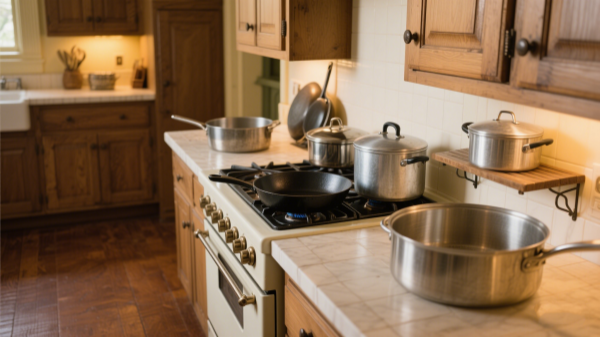
2.1 Basic Cooking Equipment
- Carbon Steel: Lightweight and ideal for high-heat cooking (e.g., stir-frying). Requires regular seasoning to prevent rust. A 30cm carbon steel pan costs $50-$80 but can last 10+ years with proper care.
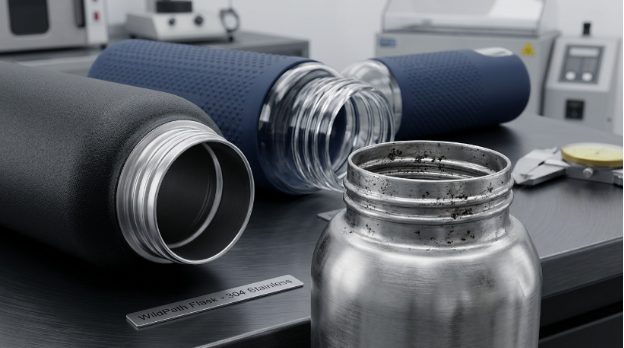
- Stainless Steel: 304-grade stainless steel is corrosion-resistant and suitable for sauces. Look for models with induction-compatible bottoms. A 30cm 304 stainless steel pan ranges from $150-$250 and requires minimal maintenance.
- Aluminum: Offers rapid heat conduction but pure aluminum should avoid acidic foods. Anodized aluminum pans (e.g., All-Clad) resist corrosion and cost $80-$120; Non-stick ceramic coating cast aluminum pans offer rapid heat distribution, a PFAS-free non-stick surface resistant to acidic foods.
Steamers
- 304 Stainless Steel: Compliant with GB 4806.9-2016 food safety standards, it resists steam corrosion. A 6-basket stainless steel steamer costs $800-$1,200 and reduces maintenance costs by 20% compared to aluminum.
- High-Pressure Steamers: Aluminum frame with stainless steel interior, capable of 1.2MPa pressure. These reduce cooking time by 40% for items like rice and vegetables.
2.2 Specialized Equipment
Baking Equipment
- Oven Liners: Enamel-coated interiors retain heat better than stainless steel, ensuring even baking. However, they require careful handling to avoid scratches. A 60L enamel-lined oven costs $1,500-$2,500.
- Fermentation Cabinets: Food-grade PP plastic combined with stainless steel frames. Humidity control within ±2% ensures consistent dough rising.
Frying Equipment
- Nickel-Plated Steel: Resists high-temperature grease corrosion with ≥85% thermal efficiency. A 30L nickel-plated fryer costs $1,200-$1,800.
- Teflon-Coated Fryers: Easy to clean but require 10,000+ abrasion resistance tests. A 20L Teflon fryer costs $800-$1,200.
2.3 Material Selection Framework
| Dimension | Key Considerations | Top Materials | Performance Data |
|---|---|---|---|
| Thermal Conductivity | Copper > Aluminum > Carbon Steel > Stainless Steel | Copper for precision cooking | Copper: 401 W/m·K; Stainless Steel: 16 W/m·K |
| Corrosion Resistance | 316 Stainless Steel > 304 Stainless Steel > Anodized Aluminum | 316 stainless for high-salt environments | 316 SS passes 1,000-hour salt spray test |
| Cost | Copper > Stainless Steel > Aluminum > Carbon Steel | Balancing initial vs. lifecycle costs | Copper pans cost 2x more but last 3x longer |
3. Selection Strategies
Effective selection requires aligning kitchen equipment with operational needs, budget, and sustainability goals.
3.1 Needs Assessment
Cuisine Type
- Chinese Stir-Frying: Requires gas stoves with ≥30kW heat output and carbon steel woks. Pair with a 10,000m³/h exhaust system to meet ventilation standards.
- Western Baking: Triple-deck electric ovens with ±2℃ temperature control and enamel baking sheets are essential. A 3-deck oven costs $5,000-$8,000.
Kitchen Size
- Small Kitchens (<50㎡): Modular units like combi-steamers save 30% space. A compact combi-steamer costs $3,000-$5,000.
- Large Central Kitchens (>500㎡): Custom stainless steel production lines boost capacity by 50%. Initial investment ranges from $50,000-$100,000.
3.2 Key Selection Criteria
Material Certification
- Ensure compliance with FDA/NSF standards. For example, 304 stainless steel must have an 18/10 chromium-nickel ratio.
- Non-stick coatings should pass 10,000-cycle abrasion tests (ASTM D4060).
Energy Efficiency
- ENERGY STAR-certified appliances reduce energy costs by 30%. A certified fryer uses 30% less oil than conventional models.
- Induction cooktops save 70% energy compared to gas, aligning with China’s "Double Carbon" goals.
3.3 Three-Tier Procurement Model
Short-Term (1-2 years)
- Rent equipment to cut initial costs by 50%. A rental fryer costs $200/month vs. $1,500 upfront purchase.
- Choose budget-friendly options like aluminum pans (Browne brand) for fast-food operations.
Medium-Term (3-5 years)
- Upgrade to brands like Fagor to reduce failure rates by 60%. A Fagor combi-steamer costs $8,000-$12,000 but offers 5-year warranties.
- Switch to induction cooktops to save $10,000+ annually on gas bills for high-volume kitchens.
Long-Term (5+ years)
- Collaborate with manufacturers for custom solutions. A custom stainless steel line for a chain restaurant can improve efficiency by 20%.
- Adopt circular economy practices by recycling stainless steel (90% recyclability) and aluminum (70% recyclability).
4. Maintenance and Longevity
Proper maintenance extends equipment lifespan and ensures safety. Below are material-specific guidelines:
4.1 Material-Specific Care
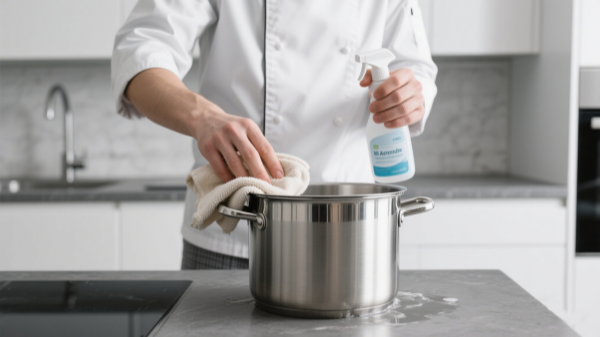
Stainless Steel
- Clean with non-abrasive cleaners and avoid steel wool. Use a soft cloth and neutral detergent 3-4 times weekly.
- Inspect welds monthly for leaks. Professional inspection costs $100-$200/year.
Aluminum
- Avoid acidic detergents. Use wooden utensils to prevent scratches.
- Re-anodize every 2-3 years if the coating wears off. Cost: $50-$100 per item.
- Hand-wash and dry immediately. Soaking causes rust.
- Season monthly with vegetable oil to maintain non-stick properties.
4.2 Professional Maintenance
- Schedule annual gas system inspections to prevent leaks. Cost: $200-$300 per kitchen.
- Deep-clean fryers quarterly with KL-102 descaler to remove mineral deposits. Cost: $50-$100 per unit.
5. Technology Trends and Innovations
The industry is evolving with smart and sustainable solutions:
5.1 Smart Cooking Systems
- AI-Powered Ovens: Lincat iQ series adjusts temperature profiles in real-time, improving baking success rates by 30%.
- IoT Monitoring: Track energy usage and predict maintenance needs. Systems like Toast’s Kitchen OS reduce downtime by 50%.
5.2 Antimicrobial Materials
- Silver-ion coated stainless steel reduces bacterial growth by 99%. Ideal for high-hygiene environments like hospitals.
- Copper alloy handles kill 99.9% of germs within 2 hours. Used in premium brands like Vollrath.
5.3 Energy Efficiency
- Induction cooktops save 70% energy compared to gas. A 30kW induction range costs $8,000-$12,000 but pays back in 2-3 years.
- Heat recovery systems capture steam from ovens to preheat water. This reduces energy use by 15%-20%.
6. Future Outlook
The industry will be shaped by technological advancements and policy changes:
6.1 Material Innovations
- Copper-Core Stainless Steel: Combines high thermal conductivity with corrosion resistance. Expected to reduce cooking time by 15%.
- Biobased Coatings: Plant-derived non-stick coatings (e.g., soy-based) will debut in 2026, offering eco-friendly alternatives.
6.2 Policy and Sustainability
- China’s 2025 energy efficiency targets require 60% of commercial kitchens to use green equipment. Subsidies cover 30% of procurement costs.
- EU’s Carbon Border Adjustment Mechanism (CBAM) incentivizes low-carbon materials like bamboo composites. Bamboo pans have 1/5 the carbon footprint of plastic.
7. Conclusion
Selecting and maintaining commercial cookware is a strategic decision that impacts operational efficiency, cost, and sustainability. By prioritizing materials like 304 stainless steel, adopting energy-efficient technologies, and implementing proactive maintenance, businesses can achieve long-term success.
Stay ahead of trends by investing in smart systems and sustainable materials. Explore our comprehensive guide for actionable insights to optimize your kitchen operations.
The Ultimate Guide to Cast Aluminum Cookware: Unveiling Its Craft, Performance, and Modern Innovations
Commercial Cookware Essentials: Materials, Maintenance & Trends for Modern Professional Kitchens