Cooking Light: The Rise of Cast Aluminum Cookware in Contemporary Cuisine
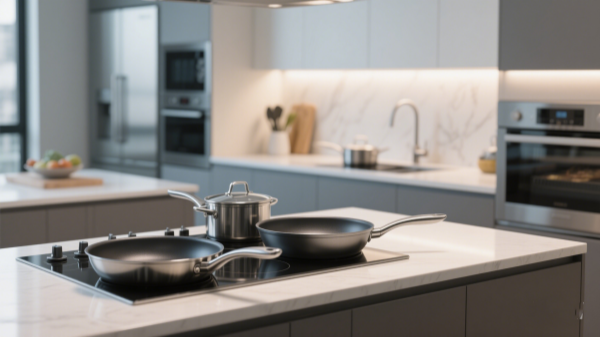
Unlock the secrets behind one of the most efficient, durable, and eco-friendly cookware options available today.
Introduction: The Rising Popularity of Cast Aluminum Cookware
Over the past few years, cast aluminum cookware has been steadily gaining traction among both professional chefs and home cooks. This rise in popularity is largely due to its lightweight design, excellent heat conductivity, and eco-friendly properties. Market trends currently indicate a promising future, with the global market projected to reach USD 2.9 billion by 2033 at a compound annual growth rate (CAGR) of 2.6%. Notably, approximately 70% of sales are now driven by demand in residential kitchens, highlighting the modern consumer’s preference for non-stick, sustainable cookware options.
The shift from traditional materials like cast iron and stainless steel towards cast aluminum represents both a technological advancement and a response to evolving user expectations. As the need for energy efficiency and safety increases, manufacturers are investing in innovative production techniques that enhance the performance and durability of cast aluminum cookware. This article will guide you through its manufacturing process, safety profile, cleaning routines, material comparisons, and future trends.
What Is Cast Aluminum Cookware?
Cast aluminum cookware is produced by pouring molten aluminum into molds through processes such as die casting or sand casting. This method creates a thicker, more heat-retentive structure than the traditional sheet aluminum, resulting in cookware that heats up quickly and distributes heat evenly.
There are several types of cast aluminum cookware available:
- Uncoated: Made purely from aluminum, though these may experience discoloration when cooked with acidic foods.
- Anodized: Undergoes an electrochemical treatment that makes the surface non-reactive, scratch-resistant, and more durable.
- Non-stick Coated: Features Teflon or ceramic coatings (with many modern versions being PFOA-free), ideal for preventing food from sticking and easing the cleaning process.
With its ability to achieve 2-3 times faster heat conduction compared to stainless steel, and being about 50% lighter than cast iron, cast aluminum cookware is engineered to fit both casual and professional cooking needs. In the following section, we dive into the safety of these products, shedding light on common concerns and present-day research findings.
Is Cast Aluminum Cookware Safe?
Safety is a crucial factor when selecting any cookware. With cast aluminum, two primary concerns often arise: aluminum leaching and coating safety.
When it comes to aluminum leaching, studies conducted by both the FDA and EFSA have demonstrated that leaching from anodized or coated pans remains well below the safety threshold of 200 μg/kg daily intake. It is still advised that those using uncoated pans avoid cooking acidic foods—such as tomatoes or citrus fruits—as these may encourage discoloration and a slight increase in leaching.
Regarding coating safety, modern Teflon coatings are now largely PFOA-free following the phase-out process initiated in 2015. Ceramic coatings have also become popular due to their eco-friendly and non-toxic properties, capable of withstanding temperatures up to 500°F. Additionally, consumers should be wary of low-quality imports that might contain impurities like lead—emphasized by FDA warnings regarding certain "Hindalium" products. Always opt for brands that offer third-party certifications such as NSF or FDA-compliant assurances - like Solamexhome and Swiflon.
Transitioning from safety to care, proper maintenance of your cast aluminum cookware is paramount for ensuring its longevity and performance.
How to Clean Cast Aluminum Cookware
Maintaining the pristine condition of your cookware not only extends its life but also helps sustain its safety and performance. Below is a step-by-step guide to cleaning different types of cast aluminum cookware:
Immediate Post-Use Care
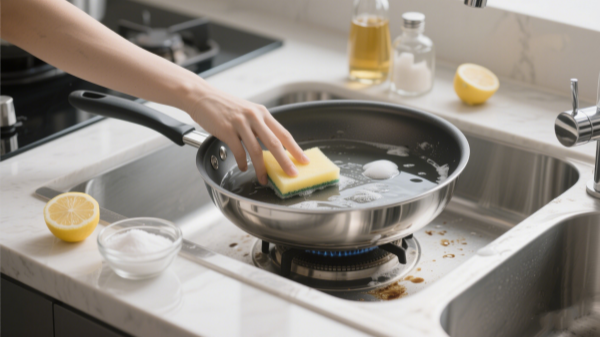
After each use, it is recommended to soak your pan in warm, soapy water. Avoid using a dishwasher, as harsh detergents can damage the surface. Instead, opt for a non-abrasive sponge and mild cleaning agents.
Stubborn Stain Removal
For tough stains, you can:
- Boil a solution of vinegar or lemon juice to help dissolve food residues.
- Apply a gentle paste made from baking soda and water to scrub away discoloration.
Coating Maintenance
Non-stick cookware: Avoid metal utensils to preserve the coating and consider re-seasoning the pan with a light layer of oil as needed.
Anodized cookware: Rinse with water and steer clear of acidic or abrasive cleaners to maintain the surface integrity.
For long-term preservation, always dry your cookware thoroughly to prevent oxidation and store it in a cool, dry place without stacking to avoid scratches. Now, let’s compare cast aluminum to other cookware materials to better understand its unique advantages.
Cast Aluminum vs. Other Cookware Materials
The following table highlights the key differences between cast aluminum and traditional cookware materials like cast iron and stainless steel:
| Material | Weight | Heat Retention | Durability | Cost |
|---|---|---|---|---|
| Cast Aluminum | Light | Good | High (if coated) | Moderate |
| Cast Iron | Heavy | Excellent | High | Low |
| Stainless Steel | Medium | Poor | Very High | High |
This comparative analysis shows that cast aluminum offers an excellent balance between light weight, efficient heat conduction, and durability when compared with heavier alternatives. Cast aluminum balances affordability, lightweight design, and heat efficiency—qualities that also make it ideal for portable outdoor cookware, such as camping frying pans, where maneuverability and quick heating are essential.
Buying Guide: Choosing the Best Cast Aluminum Cookware
When shopping for cast aluminum cookware, there are several factors you should consider to ensure that you select a product that not only meets your culinary needs but also adheres to safety standards.
Key Features to Look For
- Coating Type: Choose ceramic coatings if you prioritize eco-friendliness and non-toxicity; Teflon coatings can also offer excellent non-stick performance provided they are PFOA-free.
- Construction: An ideal pan should have a thickness between 3-5 mm, ensuring even heating and minimizing the risk of warping.
- Handles: Look for heat-resistant handles, such as those made from silicone or riveted stainless steel, which offer both safety and comfort.
- Certifications: Verify that the cookware meets FDA/EU compliance and has third-party testing (e.g., SGS certifications) to ensure product quality and safety.
By paying close attention to these details, you can confidently choose cookware that aligns with your lifestyle and culinary ambitions. As modern consumers also become increasingly aware of sustainability, the environmental impact of their cookware now plays an important role.
Environmental Impact and Sustainability
A growing number of consumers are making environmentally responsible choices in the kitchen. Cast aluminum cookware is not only prized for its performance but also for its sustainability credentials.
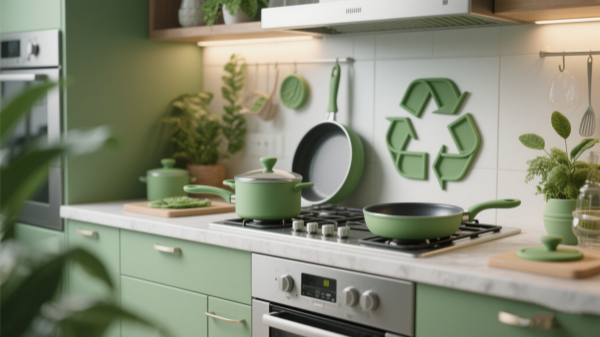
One of the most significant aspects is recyclability: aluminum is 100% recyclable and uses up to 75% less energy in the recycling process compared to creating new aluminum from raw materials. Additionally, modern green coatings—such as biodegradable ceramic and silicone-based finishes—offer a less harmful alternative to traditional materials like Teflon.
This eco-friendly profile not only reduces your environmental footprint but also contributes to a healthier kitchen and home environment. The next section will delve into the future of cast aluminum cookware, a glimpse into the next generation of kitchen innovations.
Future Trends in Cast Aluminum Cookware
Looking ahead, technological advancements are set to redefine the standards for kitchen cookware. Future trends include:
- Self-Healing Coatings: Innovations are underway to develop coatings that automatically repair minor scratches, extending the lifespan of your cookware.
- Smart Cookware: With the integration of temperature sensors and other smart technologies, cooks can achieve optimal precision in their recipes.
- Consumer Demand for Sustainability: As more users prioritize non-toxic, environmentally friendly products, companies are increasingly offering USDA-certified and eco-friendly product lines.
These trends not only promise improved performance and durability but also underscore the importance of aligning product development with consumer health and environmental standards.
Conclusion: Why Cast Aluminum Deserves a Spot in Your Kitchen
In summary, cast aluminum cookware stands out as a top choice due to its exceptional efficiency, robust safety profile, and versatility. Its rapid and even heating capabilities make it suitable for everything from searing to simmering, and modern non-toxic coatings ensure that health risks remain minimal.
The comprehensive benefits include:
- Efficiency: Fast, even heating that optimizes your cooking process.
- Safety: Reduced leaching and the availability of safe, certified coatings.
- Versatility: Ideal for both home kitchens and professional culinary environments.
We hope this guide has provided you with insightful information and actionable tips to help you choose the perfect set of cookware that meets your cooking and lifestyle needs. Enjoy your culinary adventures! If you're in the market for wholesale purchases of frying pans, stock pots, or other kitchenware, look no further than Solamexhome. Our products are backed by comprehensive quality inspection qualifications, What's more, we offer highly competitive prices, making us an ideal choice for those looking to source reliable, cost - effective cookware in bulk.
Unveiling the Truth About Aluminum Cookware: Safety, Care, and Innovation
How to Choose an Oven-Safe Frying Pan (Materials, Temp Ratings, and Do's/Don'ts)