Cooking with Aluminum Pans: Safety, Reusability, and Best Practices
Aluminum pans have long been a kitchen staple due to their excellent heat conductivity, lightweight design, and affordability. But with many consumers wondering, “can you cook in an aluminum pan safely?” and “can you reuse aluminum pans?” this comprehensive guide explores the safety concerns, benefits, maintenance tips, and practical advice for using aluminum cookware in your everyday cooking.
In this article, we will delve into the composition and uses of aluminum pans, address common myths about aluminum leaching, and offer expert-backed tips on caring for and reusing your aluminum cookware. For more detailed cookware advice, check out our Cookware Care Guide.
Understanding Aluminum Pans
Aluminum pans are made from a lightweight metal that offers excellent heat distribution and rapid heating, making them popular among home cooks and professional chefs alike. There are two primary types of aluminum cookware:
- Pure Aluminum: While pure aluminum provides superb heat conductivity, it is reactive with acidic and alkaline foods. This reactivity can sometimes affect the taste and appearance of your food.
- Anodized Aluminum: In this process, aluminum is treated to create a hard, non-reactive surface. Anodized aluminum pans are more durable, resistant to corrosion, and generally considered safer for cooking a wide variety of foods.
For those looking for a durable option, anodized aluminum is often recommended. To explore our collection of high-quality aluminum cookware, visit our Aluminum Cookware Collection.
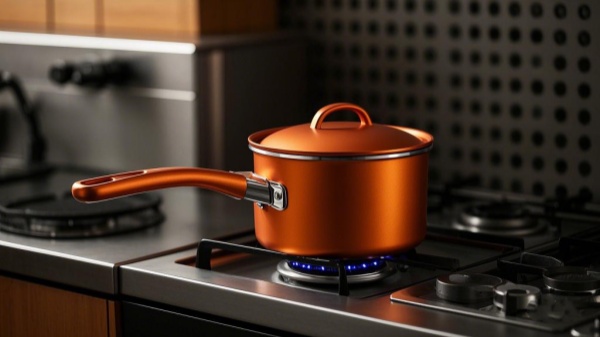
Safety Concerns and Myths
One common question is, “can you cook in an aluminum pan safely?” Research indicates that when used properly, aluminum pans pose minimal health risks. Studies have shown that the amount of aluminum that leaches into food is generally very low and well within safe limits established by health authorities.
However, if you often cook acidic foods such as tomatoes or citrus-based dishes in uncoated aluminum pans, there may be a slightly higher risk of leaching. This is why many experts recommend using anodized aluminum, as its non-reactive surface minimizes these risks.
Additionally, proper usage and care are crucial. Avoid overheating your pan and refrain from using harsh abrasives that can damage the protective layer.
Benefits of Cooking with Aluminum Pans
Despite some concerns, aluminum pans offer a host of benefits:
- Excellent Heat Conductivity: Aluminum heats quickly and evenly, allowing for precise temperature control. This is ideal for recipes that require rapid heat changes.
- Lightweight and Easy to Handle: Their low weight makes aluminum pans comfortable to handle, especially compared to heavier materials like cast iron.
- Cost-Effective: Aluminum cookware is typically more affordable than many other types, providing great value for everyday use.
- Versatility: Aluminum pans are used for frying, sautéing, baking, and simmering. Their versatility makes them a favorite for a wide range of recipes.
Reusability and Maintenance
A frequently asked question is, “can you reuse aluminum pans?” The answer is yes—as long as you care for them properly, aluminum pans can last for many years. Regular maintenance not only preserves their performance but also ensures food safety.
Here are some tips to extend the life of your aluminum pans:
- Clean After Each Use: Always wash your pan with warm water and a mild detergent after each use. Avoid leaving food residue that could cause discoloration or pitting.
- Avoid Abrasive Cleaners: Use non-abrasive sponges and avoid steel wool, especially on anodized aluminum, to maintain the integrity of the surface.
- Handle with Care: Prevent overheating by monitoring cooking temperatures, and avoid cooking highly acidic foods in uncoated aluminum pans.
- Proper Storage: Store your pans in a dry place and, if stacking, use protective liners between them to prevent scratches.
Choosing the Right Aluminum Pan
When deciding on an aluminum pan, consider the following factors:
- Anodized vs. Non-Anodized: Anodized aluminum offers a non-reactive surface that is ideal for a wider range of cooking applications. Non-anodized pans, while typically less expensive, may require more careful handling when cooking acidic foods.
- Construction and Coating: Look for pans with reinforced bases or additional layers that improve durability and heat distribution.
- Brand Reputation: Research reputable brands and read reviews to ensure you are purchasing high-quality, safe cookware.
Conclusion and Final Thoughts
In conclusion, cooking with aluminum pans is safe and practical when used correctly. Research and expert opinions consistently show that the amount of aluminum leaching into food is minimal, especially if you opt for anodized pans and follow proper cooking practices. Aluminum pans offer exceptional heat conductivity, are lightweight, and provide excellent value for everyday cooking.
Moreover, with proper maintenance and care, you can reuse aluminum pans for many years, ensuring that your kitchen remains efficient and cost-effective. Whether you are asking, "can you cook in an aluminum pan?" or "can you reuse aluminum pans?" rest assured that with the right practices, these questions have a resounding "yes."
We hope this guide has clarified your doubts and provided useful tips on the safe use and maintenance of aluminum cookware.
Happy cooking, and enjoy the benefits of your aluminum pans!
Understanding Oven-Safe Cookware: Can Your Metal Saucepan Handle the Heat in Oven?
From Burnt to Brilliant: Restore Your Stainless Steel Cookware