Crafting the Perfect Aluminum Saucepan: Through Design, Performance, and Innovation
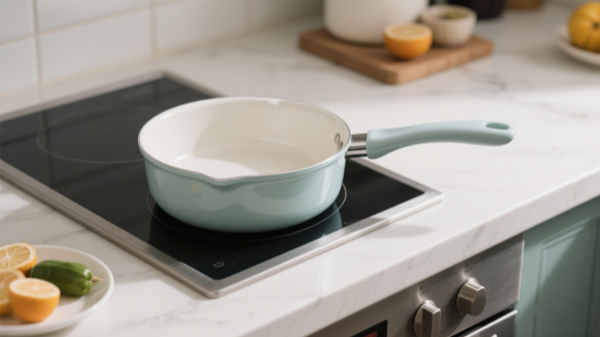
Aluminum saucepans are the unsung heroes of the kitchen, offering lightweight durability, rapid heat conduction, and versatile performance. This guide explores modern innovations—from capacity selection and lid engineering to advanced materials and eco-conscious production—empowering cooks to choose the right pan for every dish and extend their cookware’s lifespan through expert care and sustainable practices.
1. The Foundation: Design Essentials for Everyday Use of Saucepans
1.1 Capacity: Finding Your Perfect Quart
Intimate Meals (1–2 qt) saucepans, around 1.5 quarts, excel for solo cooking tasks like melting chocolate or reheating soup, offering nimble handling and minimal cleanup.
Family & Feasts (3–4 qt) models, typically 3 quarts sauce pans, balance everyday stews and occasional hosting needs, while 4-quart versions tackle larger batches for gatherings or batch cooking, making them a versatile choice for home chefs.
Global Adaptations differ: Asian kitchens favor compact 1.5–2.5 qt pans for rice dishes and stir‐fries, whereas Western cooks often reach for 3–4 qt pans for braising and roasting.
1.2 Lid Design: The Silent Controller of Flavor
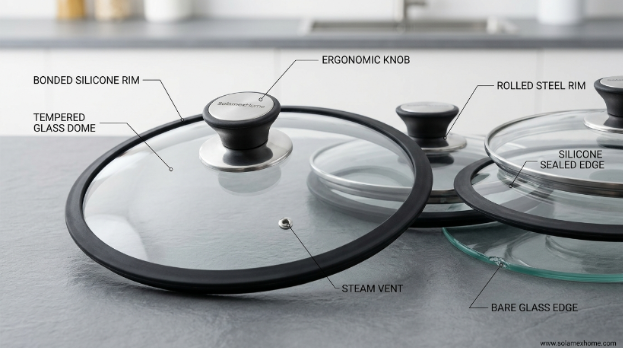
Lids do more than cover: tempered glass lids with steam vents enable precise moisture control without lifting, while ergonomic knobs—like heat-resistant bakelite—ensure safe handling during stovetop use. Brands such as Alpine offer clear, vented lids that seal in flavor and nutrition, and Tramontina’s stainless lids feature snug fits and steam vents to prevent boil-overs.
For storage convenience, look for stackable profiles or removable handles—models like Utopia Kitchen incorporate detachable grips that simplify cabinet organization and free up space.
1.3 Material Science: The Backbone of Performance
Aluminum’s Advantage: Exceptional thermal conductivity minimizes hot spots for even cooking, but raw aluminum can react with acidic ingredients. Hard-anodized finishes—used by Scanpan’s Stratanium+ line—boost surface hardness by up to 50% and resist corrosion and scratching.
Nonstick Coatings: Ceramic options like GreenPan’s Thermolon are free of PFAS, PFOA, lead, and cadmium, promoting toxin-free cooking with durable release properties. Diamond-infused surfaces from Circulon apply a high-low polygon design that reduces abrasion and extends nonstick life.
Multi-Ply Construction: Combining aluminum cores with stainless steel exterior layers—seen in All-Clad’s D3 series—ensures induction compatibility and structural integrity across temperature extremes.
Building on these material innovations, Solamex’s wholesale saucepans leverage cast aluminum as the cornerstone of our product lineup. While we prioritize cast aluminum cookware, our catalog also includes die-cast, forged, and stainless-steel cookware—each engineered to meet the diverse demands of professional chefs and hospitality environments Committed to consumer health, Solamex applies ultra-high-grade PFOA- and PFAS-free nonstick coatings that meet FDA and LFGB safety standards, guaranteeing toxin-free cooking performance. These advanced coatings deliver exceptional resistance to high-temperature sticking, mechanical abrasion, and repeated dishwashing cycles, maintaining easy food release even under the rigors of commercial use
2. Ergonomics and Sustainability: Designing for Humans and the Planet
2.1 Comfort in Every Grip
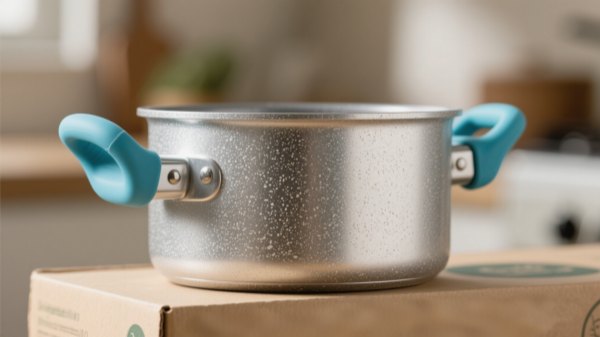
Handles play a pivotal role in user comfort. Double-riveted silicone grips remain cool on the stovetop—T-fal’s Get-A-Grip sauté pans showcase such designs, ensuring safe maneuvering during long cooking sessions. Integrated pour spouts, like those on Anolon’s straining saucepans, reduce drips and spills when transferring liquids.
Lightweight construction—around 1.5 kg for a 3 qt pan—balances heft and control to minimize arm fatigue, especially important during extended simmering or sauce reductions.
2.2 Cooking with a Conscience
Eco-materials are transforming cookware production. GreenPan’s vessels use at least 65% recycled aluminum and biodegradable cardboard packaging, reflecting a commitment to circular manufacturing. Similarly, T-fal’s Fresh line incorporates recycled aluminum for healthier, greener cooking options.
Warranty programs encourage longevity: Swiss Diamond backs their coated pans with a lifetime warranty, incentivizing repairs over replacements and reducing kitchen waste.
3. Cooking with Confidence: From Sauces to Stews
3.1 Mastering the Art of Delicate Flavors
Even heat distribution is critical for sauces and reductions. Hard-anodized aluminum pans, like Scanpan’s 3.25 qt model, prevent scorching and allow smooth whisking for perfect roux or pan sauces. Ceramic-coated surfaces, such as GreenPan, let eggs slide off effortlessly with minimal oil for pristine omelets and French toast.
3.2 Hearty Meals for Every Appetite
For soups and stews, look for deeper sides—at least 4.5 inches—on 3–4 qt pans to accommodate volumes of broth or chili. Heavy-gauge aluminum retains heat well, ensuring slow, flavorful simmering.
Oven-safe designs—like Viking’s 500°F-rated pans—enable stovetop searing before transferring to the oven for braising, expanding meal possibilities beyond stovetop limits.
3.3 Pro Tips for Every Cook
- Acidic Foods: Always choose coated aluminum or anodized surfaces when cooking tomatoes or citrus to prevent metallic flavors.
- Temperature Control: Induction-ready pans offer precise heat adjustments—beneficial for caramelizing onions or melting cheese evenly without burning.
- Maintenance: Avoid metal utensils to prolong nonstick lifespans and clean with soft sponges to prevent coating damage.
4. Market Trends and Expert Picks
4.1 Top Pans for Every Need
| Category | Model | Key Features |
|---|---|---|
| All-Rounder | Calphalon 3.5 qt Sauce Pan | Induction-ready, oven-safe, pour spout |
| Eco-Choice | GreenPan Valencia Pro | Recycled aluminum, Thermolon ceramic, dishwasher-safe |
| Professional | Scanpan Classic 3 qt | Hard-anodized, scratch-resistant, high-heat |
4.2 Solving Common Pain Points
Handle Heat: Select pans with silicone-wrapped handles or use trivets when moving hot cookware.
Lid Misalignment: Precision-engineered rims—seen in Tramontina’s cookware—ensure snug fits to seal in moisture and heat.
4.3 The Future of Saucepans
Smart cookware is emerging: early prototypes like SmartyPans provided real-time temperature monitoring via apps, and newer offerings—such as Misen’s connected pans—offer guided cooking experiences to novices and pros alike.
Modular designs—featuring detachable handles and stackable lids—optimize small-kitchen storage, with brands like HUBERT leading the charge in customizable cookware sets.
Conclusion: Your Saucepan, Your Canvas
Choosing the right aluminum saucepan transcends mere functionality; it empowers creativity in the kitchen. By prioritizing capacity, lid innovation, material excellence, and ergonomic design, home cooks and professionals alike can elevate everyday meals. As sustainability and smart technology shape the future of cookware, the humble saucepan remains a symbol of culinary exploration and mastery.
Final Tips
- Match size to cooking needs: 1–2 qt for individuals; 3–4 qt for families.
- Seek PFOA-free coatings and recycled materials for environmental and health benefits.
- Use your saucepan as a creative tool—experiment with sauces, one-pot dishes, and beyond.
- Additionally, Solamex’s wholesale cookware line extends far beyond saucepans to encompass a diverse range of cookware in multiple sizes and configurations to suit any kitchen need. For custom inquiries on material selections, sizing, or tailored bulk pricing, please contact our sales team to explore solutions perfectly matched to your foodservice or retail requirements.
Saucepan Mastery: Techniques, Recipes & Sustainability
How to Season Aluminum Pans: The Ultimate Guide to Non-Stick, Corrosion-Resistant Cookware