Crispy Perfection: The Definitive Guide to Mastering Deep Frying Pans
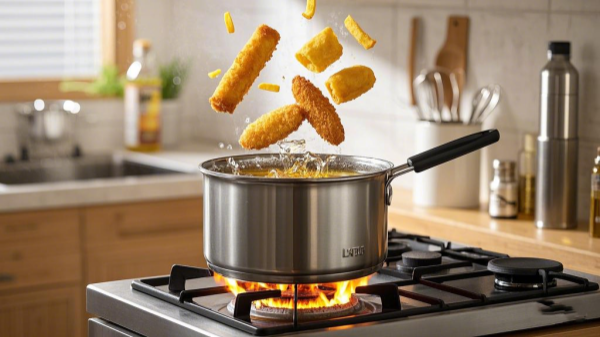
From golden fries to perfectly crispy tempura, a high-quality deep frying pan is essential for achieving restaurant-grade results at home. This comprehensive guide will help you understand key features, safe usage, and maintenance to maximize your cooking experience.
Core Design Elements of a Deep Frying Pan
1. Depth & Capacity: The Foundation of Safe & Efficient Frying
Choosing the right deep frying pan involves understanding two critical dimensions: depth and capacity. These factors directly impact safety, oil efficiency, and cooking results.
Optimal Depth Range
Professional chefs recommend a frying depth of **5-6 inches** (12-15cm) for two key reasons:
- Complete Immersion: Ensures food is fully submerged, preventing uneven browning and reducing oil absorption
- Splatter Control: Taller walls contain oil movement, minimizing dangerous splashes
For home use, a 5-inch depth balances performance and counter space. Restaurant-grade models often exceed 6 inches for commercial volume.
Capacity Considerations
Capacity is measured in quarts, with most home models ranging from 3-6 quarts:
- 3-4 Quarts: Ideal for 2-4 servings (e.g., 2 lbs of chicken wings or 1.5 lbs of fries)
- 5-6 Quarts: Better for large families or batch cooking (e.g., whole turkey frying)
Pro Tip: Never fill the pan more than halfway with oil. A 4-quart pan should hold no more than 2 quarts of oil to allow room for bubbling when food is added.
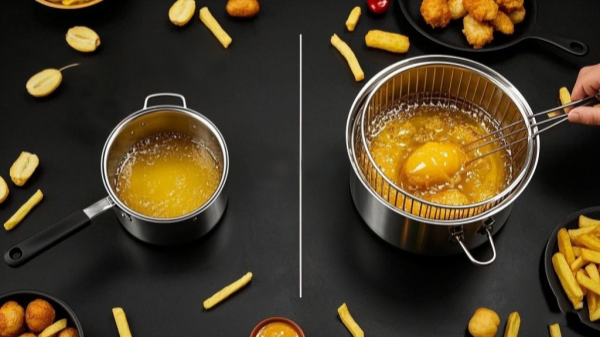
Why Size Matters
Under-sized pans cause:
- Excessive oil splatter due to overcrowding
- Rapid temperature drops leading to greasy food
- Limited batch sizes
Over-sized pans result in:
- Unnecessary oil usage
- Slower heating times
- Difficulty maneuvering large volumes
For frequent entertainers, consider a 5-quart hybrid model, which combines frying depth with skillet versatility.
2. Material Comparison
| Material | Advantages | Disadvantages | Best For |
|---|---|---|---|
| Cast Iron | Even heat retention | Heavy, requires seasoning | Large cuts like whole chicken |
| Stainless Steel | Durable, corrosion-resistant | Slower heat conduction | Smaller batches (shrimp, onion rings) |
| Carbon Steel | Lightweight, affordable | Rust-prone | Asian-style frying (spring rolls) |
| Ceramic Coated Aluminum | Non-stick, stylish | Lower heat resistance | Delicate foods (doughnuts) |
| Copper | Fastest heat response | Expensive, requires lining | Professional kitchens |
Top Deep Frying Pans of 2025
1. Lodge Cast Iron Dutch Oven
Heavy-duty cast iron for superior heat distribution. Perfect for family meals with its 5-quart capacity. Features a pre-seasoned surface that improves with use.
2. Cuisinart Chef's Classic Stainless
5-ply stainless steel construction for even heating. Compatible with induction cooktops and dishwasher-safe for easy cleanup.
3. GreenPan Rio Ceramic
PFOA-free ceramic coating for healthy cooking. Lightweight design with a glass lid for easy monitoring.
Ideal for restaurants and food businesses, Solamex offers wholesale deep frying pans with heavy-gauge carbon steel construction (0.12" thickness) for industrial durability. Features include NSF certification, reinforced handles, and customizable capacities (6-12 quarts). Bulk pricing available for large orders, reducing per-unit costs by 15-20% compared to retail models. Perfect for high-volume frying in fast-food chains and cafeterias.
Expert Usage & Maintenance Tips of Deep Frying Pans
1. Precise Temperature Control
Use a digital thermometer (not instant-read) for accurate monitoring. The ideal temperature range is 350-375°F (175-190°C). Test readiness with a bread cube: 40 seconds to golden brown indicates correct heat.
2. Advanced Frying Techniques
Double Frying Method
- First fry: 325°F (163°C) for 3-4 minutes to fully cook
- Second fry: 375°F (190°C) for 1-2 minutes to achieve crispness
Oil Management
Reuse oil 2-3 times by filtering through a coffee filter. Add 1 tsp vinegar per quart to reduce smoke and extend oil life.
3. Troubleshooting Common Issues
Greasy Food
- Ensure oil temperature exceeds 350°F
- Pat food dry with paper towels before frying
Uneven Browning
- Preheat pan empty for 5 minutes before adding oil
- Gently stir food to promote even exposure
4. Professional Storage Practices
- Store vertically using wall-mounted hooks to prevent warping
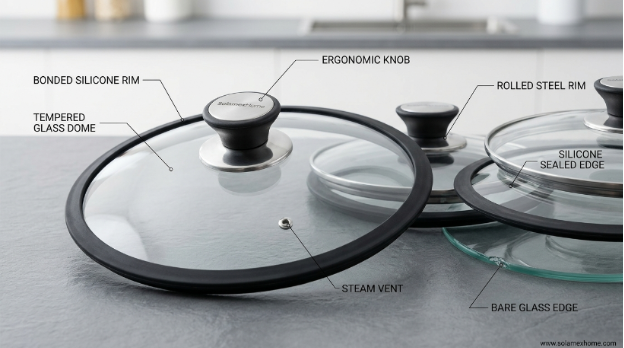
- Keep lids separate to avoid condensation buildup
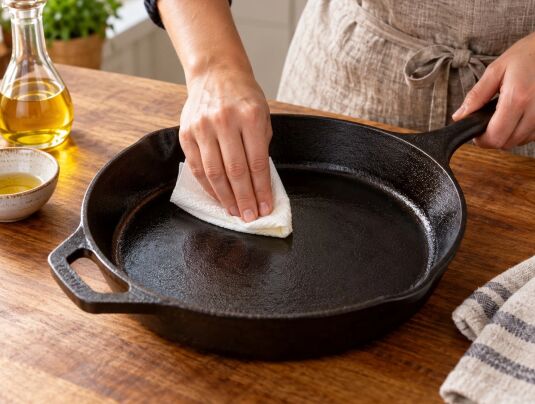
- Apply thin flaxseed oil coat every 6 months
5. Safety First
- Always keep a lid nearby to smother potential fires
- Wear long sleeves and oven mitts
- Never leave oil unattended above 300°F
Deep Frying Pan vs. Alternative Cookware
1. vs. Air Fryer
While air fryers reduce oil usage, they lack the crispy texture of traditional frying. Deep fry pans excel at high-volume cooking but require more oil.
2. vs. Dutch Oven
| Feature | Deep Frying Pan | Dutch Oven |
|---|---|---|
| Depth | 12-15cm(5-6 inch) | 8-10cm(3-4 inch) |
| Oil Efficiency | 30% less oil | Requires full immersion |
| Multi-functionality | Fry only | Braise, bake, fry |
Frequently Asked Questions
What's the best material for a deep frying pan?
Cast iron offers the most consistent heat distribution, while stainless steel provides durability and easy cleaning. Ceramic coatings are ideal for health-conscious cooks seeking non-stick properties.
How much oil should I use in a deep frying pan?
Fill the pan 1/3 to 1/2 full. Overfilling increases splatter risk, while underfilling results in uneven frying. Always use a thermometer to maintain 175-190°C.
Can I reuse frying oil?
Yes! Strain oil through a coffee filter and store in an airtight container. Reuse 2-3 times for best results. Discard if it becomes dark or develops off odors.
How to remove stubborn grease stains from my pan?
Create a paste of baking soda and water. Apply to stains, let sit 15 minutes, then scrub with a non-abrasive pad. For cast iron, avoid soap and reseason afterward.
Choose Your Perfect Deep Frying Companion
Selecting the right deep frying pan involves balancing material, capacity, and cooking needs. Regular maintenance and proper usage will ensure your pan lasts for decades. Whether you're a home cook or professional chef, a quality deep fry pan is a worthwhile investment in culinary excellence.
From Cast to Crisp: Your Definitive Guide to Choosing the Perfect Pizza Pan
How to Clean Rust Off Cast Iron and Maintain Its Longevity