Deep Frying Pans Unveiled: How to Compare, Choose, and Master the Perfect Pan
Introduction
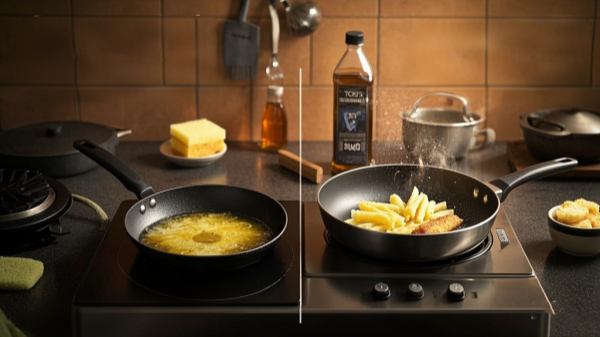
Deep frying pans are specialized cookware designed to fry food by completely submerging it in hot oil. Their unique design—with higher, deeper walls—ensures consistent oil temperature and minimizes splattering. In today’s fast-paced kitchen, choosing the right pan not only enhances food quality but also promotes safety and ease of use.
This comprehensive guide will walk you through the essential features of deep frying pans, compare them with similar cookware such as shallow skillets, woks, and dedicated deep fryers, and provide actionable advice on how to select the best deep frying pan based on your cooking environment. Whether you're a home cook or a professional chef, read on to discover how deep frying pans can transform your culinary experience.
Deep Frying Pans: Key Features & Benefits
What sets deep frying pans apart is their deeper design and larger oil capacity, which help maintain an even frying temperature while reducing oil splatter. These pans are engineered to deliver consistent heat retention and even distribution across the cooking surface—crucial factors for achieving that perfect, crispy texture.
In addition to deep frying, many of these pans offer versatility. You can use them for searing, sautéing, and even baking certain dishes. Their robust construction makes them suitable for high-temperature cooking, ensuring that your fried foods come out golden and delicious every time.
Comparing Deep Frying Pans with Similar Cookware
To truly appreciate the advantages of deep frying pans, it is helpful to compare them with similar types of cookware:
| Cookware Type | Key Features | Best For |
|---|---|---|
| Deep Frying Pans | Deeper walls, higher oil capacity, even heat retention | Frying chicken, doughnuts, French fries, and reducing splatter |
| Shallow Skillets | Lower sides, quick heating, ideal for searing | Searing, browning, and quick high-heat tasks |
| Woks | Curved shape, high heat response, versatile stirring | Stir-frying, sautéing, and dishes requiring rapid temperature changes |
| Dedicated Deep Fryers | Automated temperature control, oil filtration, built-in baskets | High-volume frying with easy oil management and cleanup |
As you can see, while each type of cookware has its own merits, deep frying pans excel in maintaining steady oil temperatures and minimizing messy splatter—making them the top choice for many traditional frying applications.
When to Choose a Deep Frying Pan
Choosing a deep frying pan is a matter of understanding your cooking needs. If you frequently prepare dishes that involve fully submerging food in oil, such as fried chicken, doughnuts, or French fries, then a deep frying pan is your best bet. These pans provide the necessary depth to keep oil at a consistent temperature, ensuring even cooking and optimal texture.
On the other hand, if your recipes demand quick searing or if you prefer lighter, high-heat cooking methods, a shallow skillet or wok might be more suitable. However, deep frying pans also offer versatility in that many models double as all-purpose pans—perfect for recipes that start on the stovetop and finish in the oven.
How to Choose the Right Deep Frying Pan
When selecting a deep frying pan, several factors should be taken into account:
Material
The material of your pan greatly influences its heat retention and maintenance requirements:
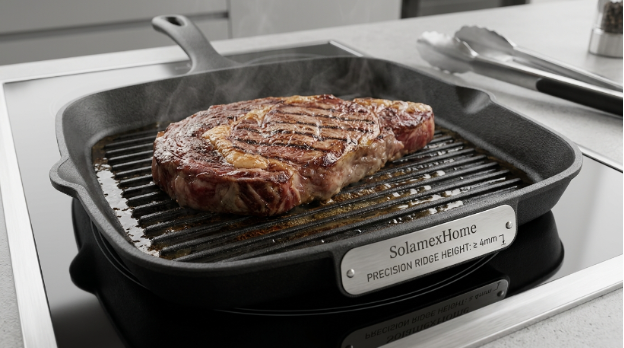
- Cast Iron: Offers superior heat retention and is ideal for high-temperature frying. However, it requires regular seasoning and care.
- Carbon Steel: Lighter than cast iron and heats up quickly, while developing a natural non-stick patina over time.
- Stainless Steel: Durable and easy to clean, though it might require additional oil to prevent sticking.
- Nonstick Options: Provide effortless food release and simplified cleaning but may not endure extremely high temperatures.
Size & Depth
Consider the capacity of the pan relative to your typical cooking volume. For family-size meals or commercial use, a larger deep frying pan is preferable to ensure consistent oil circulation and safety.
Heat Source Compatibility
Ensure that the pan is compatible with your cooktop—whether gas, electric, or induction. Multi-ply construction with an aluminum or copper core can help achieve even heating on various surfaces.
Maintenance & Durability
Finally, assess how much care you are willing to invest. While cast iron and carbon steel require regular seasoning, they often last a lifetime if properly maintained. Stainless steel and nonstick pans offer easier cleaning routines, though nonstick surfaces may eventually degrade.
Product Examples and Comparative Reviews
To illustrate the differences, here’s a brief overview of different material deep frying pans:
| Model | Material | Key Feature | Ideal Use |
|---|---|---|---|
| Premium Cast Iron Frying Pan | Cast Iron | Excellent heat retention, requires seasoning | Frying chicken, doughnuts, and high-temperature searing |
| Lightweight Carbon Steel Frying Pan | Carbon Steel | Heats up quickly, naturally nonstick | Stir-frying, sautéing, and delicate frying tasks |
| Stainless Steel Deep Fry Pan | Stainless Steel | Durable and low-maintenance | General frying and dual-use for stovetop to oven recipes |
| Advanced Nonstick Deep Fry Pan | Nonstick Coating | Effortless food release and easy cleaning | Delicate frying such as eggs and light batters |
These examples underscore how deep frying pans can be tailored to specific needs. For instance, if you require a pan that stands up to rigorous frying sessions, a premium cast iron option might be ideal. Alternatively, for those who prefer a lighter, faster-heating option without the hassle of constant seasoning, a carbon steel pan may be the better choice.
Practical Cooking & Safety Tips
To get the best results from your deep frying pan, consider these expert tips:
- Preheat Properly: Allow the pan to reach the ideal temperature before adding oil. Use a thermometer to ensure the oil maintains a steady heat.
- Control Oil Splatter: Use a splatter shield and avoid overcrowding the pan to reduce messy oil splashes.
- Fry in Batches: Cooking smaller batches helps maintain the oil temperature and ensures even cooking.
- Clean as You Go: Wipe away oil and residue while the pan is still warm to prevent buildup and make cleaning easier.
- Safety First: Always use appropriate utensils and heat-resistant gloves to handle the pan, especially when frying at high temperatures.
Care & Maintenance Guide
Keeping your deep frying pan in top condition not only prolongs its life but also ensures food quality:
- For Cast Iron & Carbon Steel: Regularly season the pan by applying a thin layer of oil and heating it until it polymerizes. Avoid using harsh detergents; instead, clean with warm water and a non-abrasive sponge.
- For Stainless Steel: Preheat with oil to create a temporary nonstick surface. Hand wash with mild soap to avoid damaging the even heat distribution.
- For Nonstick Pans: Use only silicone or wooden utensils to prevent scratching. Hand wash to preserve the coating and avoid high-temperature dishwasher cycles.
Following these care instructions will help maintain your pan’s performance and ensure it remains a reliable kitchen companion for years to come.
Conclusion
Deep frying pans offer an unparalleled advantage when it comes to frying foods evenly and safely. Their deep design, superior heat retention, and versatility make them an essential addition to any kitchen—whether you are cooking for a family meal or in a professional setting.
By comparing deep frying pans with shallow skillets, woks, and dedicated deep fryers, it becomes clear that deep frying pans are the best choice for recipes that require full oil immersion and consistent temperature control. When choosing a deep frying pan, consider the material, size, heat source compatibility, and maintenance requirements to find the perfect match for your cooking environment.
Frequently Asked Questions (FAQs)
Q1: What makes a deep frying pan different from a regular frying pan?
A deep frying pan features higher sides and a larger capacity for oil, which helps maintain consistent frying temperatures and minimizes splatter compared to shallow pans.
Q2: Can I use a deep frying pan for other cooking methods?
Yes! Many deep frying pans are versatile enough for searing, sautéing, and even finishing in the oven, making them a multi-functional kitchen tool.
Q3: How do I properly care for my cast iron deep frying pan?
Regular seasoning is key. Clean it with warm water and a non-abrasive sponge, dry it thoroughly, and apply a thin layer of oil to maintain the nonstick surface and prevent rust.
Q4: What should I look for if I have an induction cooktop?
Ensure the pan is compatible with induction heating. Look for pans with a ferromagnetic base or multi-ply construction that includes an induction-friendly layer.
Outdoor Frying Pans & the Importance of Aluminum Cookware in Outdoor Cooking
Deep Frying Pans Demystified: Your Practical Guide to Superior Frying