Die‑Cast Aluminum Cookware: Performance & Safety Guide
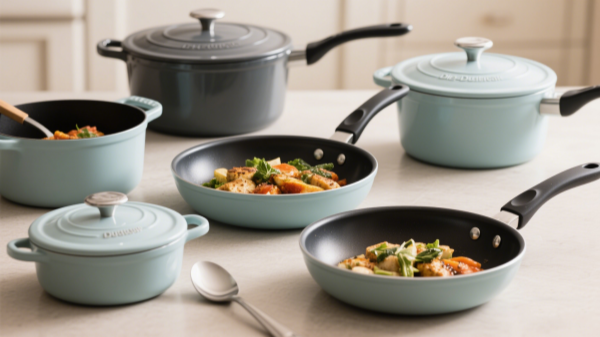
Die‑cast aluminum cookware is produced by injecting molten aluminum into precision steel dies, creating lightweight, durable pans with seamless walls and rapid, even heat distribution. This method yields pots and pans that heat up quickly—thanks to aluminum’s high thermal conductivity—and are easier to lift than cast iron counterparts. While concerns about aluminum leaching and non‑stick coating safety persist, medical experts confirm that typical dietary exposure remains well below harmful levels when guidelines are followed. Regulatory bodies like the CDC and FDA advise using properly coated, certified cookware and avoiding prolonged cooking of acidic foods to minimize risk. With routine care—gentle cleaning, proper utensil use, and timely replacement—die‑cast aluminum pans deliver reliable, safe performance at an attractive price point compared to cast iron, stainless steel, and hard‑anodized alternatives.
1. Introduction
In recent years, die‑cast aluminum cookware has become a staple in both home and professional kitchens due to its lightweight design and fast, even heating properties. Unlike heavier cast iron, these pans offer effortless handling while delivering reliable searing and baking results. However, consumers often raise questions about the safety of aluminum in food preparation, particularly regarding metal leaching and the longevity of non‑stick coatings.
2. What Is Die‑Cast Aluminum Cookware?
Die casting is a manufacturing process in which molten aluminum—typically an Al–Si alloy like A380—is injected into precision steel molds under high pressure, then cooled and ejected to form seamless cookware bodies. This technique ensures uniform wall thickness, minimal porosity, and exceptional dimensional accuracy for consistent performance.
3. Manufacturing & Materials
3.1 Die‑Casting Steps
First, aluminum ingots are melted and degassed before being injected into steel dies at pressures up to 100 MPa. After rapid cooling, the cookware is ejected and undergoes machining to flatten bases and finish edges.
3.2 Surface Treatments & Coatings
Die‑cast pans may feature PTFE/PFOA non‑stick coatings (now commonly PFOA‑free for safety), ceramic layers rated to 450 °F+, or hard‑anodized finishes that enhance scratch resistance and reduce aluminum exposure.
4. Performance & Practical Benefits
Aluminum’s thermal conductivity (~205 W/m·K) allows die‑cast cookware to heat up rapidly and maintain even temperature across the cooking surface, minimizing hot spots and ensuring uniform browning.
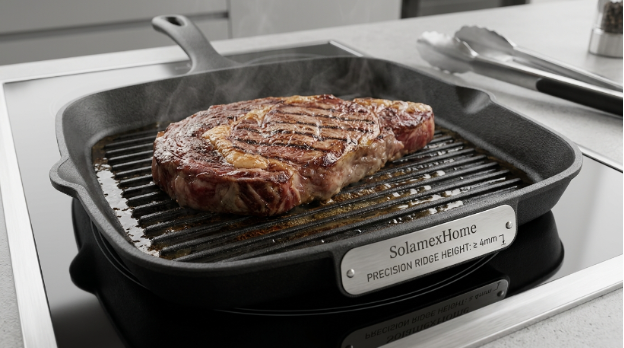
At up to 50% lighter than cast iron, these pans reduce wrist strain and improve maneuverability during sautéing or flipping. Their seamless bodies resist warping under oven temperatures up to 500 °F, making them ideal for recipes that transition from stovetop searing to oven roasting.
5. Safety Considerations
5.1 Aluminum Leaching
Acidic or salty foods can accelerate aluminum migration into food, but studies show typical exposure from cookware remains well under the WHO’s tolerable daily intake of 2 mg/kg body weight.
The CDC affirms that properly coated aluminum pans pose no significant health risk for standard cooking, though it advises avoiding prolonged cooking of very acidic ingredients in bare aluminum pots.
5.2 Non‑Stick Coating Concerns
Older PTFE/PFOA coatings may release toxic fumes if overheated above 500 °F; modern PFOA‑free and ceramic alternatives substantially reduce this hazard.
5.3 Heavy Metal Contaminants
The FDA has issued advisories and recalls for certain imported cookware found to leach lead or cadmium; choosing products with NSF, LFGB, or ISO 9001 certifications ensures compliance with safety standards.
6. Maintenance & Care
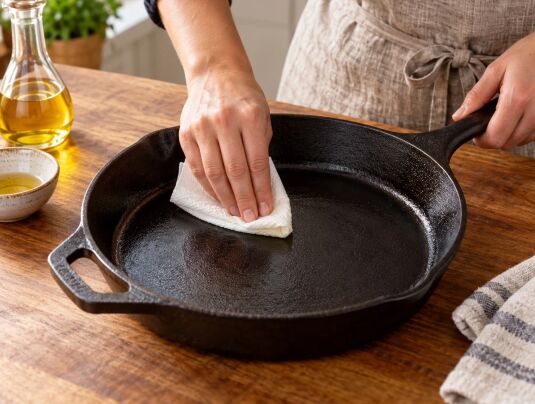
Hand‑wash die‑cast aluminum cookware with warm water, mild detergent, and a soft sponge; avoid abrasive pads and dishwasher detergents that can degrade coatings.
Use wooden, silicone, or nylon utensils to prevent scratching non‑stick surfaces, and never exceed medium heat to preserve coating integrity.
Inspect pans regularly and replace them if you notice flaking, deep scratches, or coating failures to minimize health risks.
7. Alternatives & Comparative Overview
| Cookware Type | Weight | Heat Conductivity | Durability |
|---|---|---|---|
| Die‑Cast Aluminum | Light | High (205 W/m·K) | Good (with coating) |
| Cast Iron | Heavy | Low (52 W/m·K) | Excellent |
| Stainless Steel | Medium | Medium | Very Good |
| Hard‑Anodized Aluminum | Light–Medium | High | Excellent |
Compared to cast iron, die‑cast aluminum heats faster and is easier to handle but lacks the same heat retention. Versus stainless steel, aluminum offers superior conductivity at the expense of potential leaching without coatings. Hard‑anodized aluminum reduces leaching further and resists scratches better, though often at a higher price point.
8. Buying Guide & Recommendations
When shopping for die‑cast aluminum cookware, prioritize:
- Clear temperature ratings up to at least 450 °F.
- PFOA‑free or ceramic non‑stick certifications.
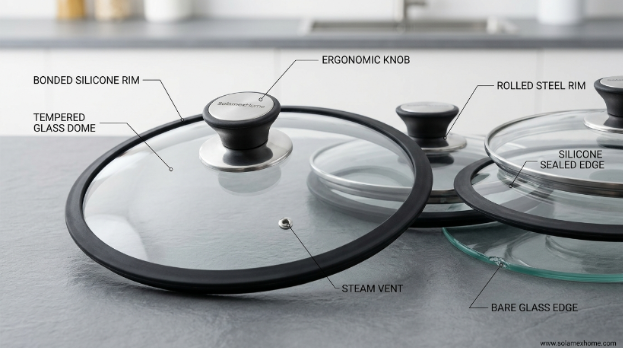
- Metal handles and knobs rated for oven use.
- NSF, LFGB, ISO 9001 safety marks.
Top recommended lines include:
- Solamex – ISO 9001 factory–made ceramic‑coated options.
- Olympia Supreme – 7‑layer titanium‑reinforced non‑stick on die‑cast base.
- Ballarini Parma Plus – triple‑layer non‑stick with durable Italian design.
- Hestan NanoBond – advanced ceramic‑infused surface, top-rated by Good Housekeeping.
9. Conclusion
When properly manufactured, certified, and maintained, die‑cast aluminum cookware provides a versatile, lightweight solution for everyday cooking. By following safety guidelines—using coated pans, avoiding excessive acidity, and replacing worn items—you can enjoy the fast heating and easy handling of die‑cast aluminum with confidence.
Cast Aluminum Cookware: Safety, Cleaning & Maintenance Guide for Optimal Performance
Die Cast Aluminum Cookware: A Guide to Safety, Performance, and Modern Innovations