Die Cast Aluminum Cookware: The Home Cook's Handbook – From Prep to Purchase
Die Cast Aluminum Cookware: A Comprehensive Guide for Home Cooks
1. Introduction: The Appeal of Die Cast Aluminum Cookware
Die cast aluminum cookware has become a staple in modern kitchens, thanks to its innovative manufacturing process. By forcing molten aluminum into precision steel molds under high pressure, manufacturers create cookware with consistent thickness and enhanced structural integrity. This method bridges the gap between affordability and performance, making it a compelling choice for both novice cooks and culinary enthusiasts.
To understand why it’s gaining traction, let’s first explore how it stacks up against other kitchen staples.
2. Material Showdown: Die Cast Aluminum vs. Common Alternatives
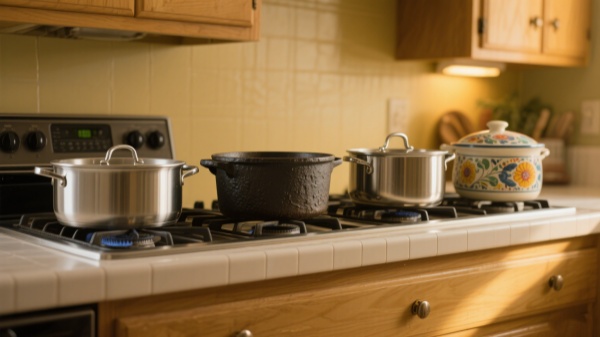
| Feature | Die Cast Aluminum | Cast Iron | Stainless Steel | Pure Aluminum | Ceramic-Coated |
|---|---|---|---|---|---|
| Heat Conductivity | Excellent (even distribution, minimal hot spots) | Good (retains heat but slow to heat) | Poor (needs aluminum core for balance) | Excellent (but prone to hot spots) | Moderate (insulating coating slows transfer) |
| Weight | Light to medium (easy for daily use) | Heavy (sturdy but cumbersome) | Medium to heavy | Very light (may warp under high heat) | Light (fragile if dropped) |
| Durability | Resistant to warping; coating longevity key | Virtually indestructible | Resistant to scratches and corrosion | Prone to dents and warping | Coating chips easily with metal tools |
| Price Range | $30–$150 (mid-range) | $50–$300 (investment piece) | $80–$500 (premium options available) | $20–$80 (budget-friendly) | $40–$120 (depends on base material) |
| Best For | Everyday cooking (frying, sautéing, baking) | Slow cooking, searing | Acidic foods, high-heat methods | Quick tasks (boiling, simple frying) | Low-fat cooking, delicate foods |
While its versatility shines in comparisons, many users wonder about safety—let’s address that next.
3. Safety Myths and Facts: Clearing the Air
Aluminum Leaching Concerns
Most die cast aluminum cookware features a protective coating (ceramic, PTFE, or anodized layer) that acts as a barrier between food and metal. Studies show leaching is negligible under normal use, well below FDA safety thresholds. For example, a 2023 study by the Food Safety Authority found that leached aluminum from coated pans was less than 0.1 mg per serving—far below the 1 mg daily limit for adults.
Myth: High Heat Releases Toxins
PFOA-free nonstick coatings on die cast pans are stable up to 500°F (260°C); avoid overheating beyond this to prevent coating breakdown. Most home stoves max out at 450°F, so as long as you avoid preheating empty pans, the risk is minimal.
Food Compatibility
Uncoated die cast aluminum reacts with acidic ingredients (tomatoes, citrus), causing discoloration and metallic tastes. Always opt for coated versions for such recipes. For example, a ceramic-coated die cast pan can safely simmer tomato sauce for hours without issues, while an uncoated one would turn the sauce gray.
To maximize safety and longevity, proper maintenance is critical—starting with cleaning.
4. How to Clean Die Cast Aluminum Cookware: Step-by-Step Guide
Daily Cleaning Routine
- Allow the pan to cool slightly (avoid sudden temperature changes to prevent warping).
- Hand-wash with warm, soapy water using a soft sponge or cloth. Avoid abrasive pads (steel wool, scouring powders) that scratch coatings.
- For stuck-on food: Soak in warm water with a mild detergent for 15–20 minutes, then gently scrub with a nylon brush.
- Rinse thoroughly and dry immediately to prevent water spots on uncoated areas.
Deep Cleaning for Tough Stains
Mix equal parts white vinegar and water, bring to a simmer in the pan, then let cool. The acidity dissolves mineral deposits without damaging coatings. This works especially well for pans used to cook starchy foods like rice or potatoes, which can leave stubborn residue.
Dishwasher Use
While some brands (like T-fal) claim dishwasher safety, high heat and harsh detergents can degrade nonstick layers over time. Hand-washing is recommended for longevity—especially for ceramic coatings, which are more prone to fading in dishwashers.

Beyond cleaning, specific care practices will preserve your cookware’s performance.
5. Maintenance Tips: Preserving Die Cast Aluminum’s Integrity
Protecting Nonstick Coatings
Use silicone, wood, or nylon utensils to avoid scratches. Metal tools can pierce the coating, exposing the aluminum beneath. A $5 silicone spatula is a small investment to protect a $100 pan.
Avoiding Extreme Heat
Never preheat an empty pan—this can cause the coating to blister. Start with low to medium heat and add oil or food promptly. For example, when searing chicken, preheat the pan with 1 tbsp oil for 1 minute instead of heating an empty pan for 5 minutes.
Handling Warping Risks
Though die cast aluminum is more warp-resistant than pure aluminum, avoid sudden temperature shifts (e.g., placing a hot pan in cold water). If you need to cool a pan quickly, set it on a heat-resistant trivet instead of running it under the faucet.
Storing Properly
Stack pans with a paper towel or cloth between them to prevent coating abrasion. Hang lightweight pieces to save space without pressure damage—this is especially useful for煎锅 (skillets) and saucepans.
With proper care, die cast aluminum cookware excels in diverse cooking scenarios.
6. Versatile Uses: Maximizing Your Cookware’s Potential
Stovetop Cooking
Ideal for stir-fries, pancakes, and searing proteins—even heat distribution prevents burning. Its quick heat-up time (30 seconds faster than cast iron) makes it perfect for weeknight meals when you’re short on time.
Oven Compatibility
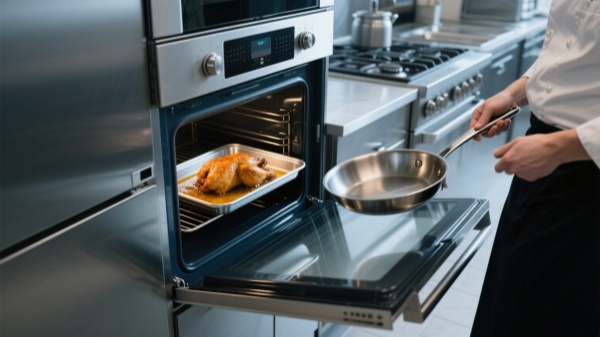
Most models are safe up to 350–450°F (check manufacturer guidelines), perfect for one-pan roasted dishes. Try this: Sear a salmon fillet on the stovetop, then finish it in the oven at 400°F for 8 minutes—no need to dirty a second dish.
Outdoor Cooking
Lightweight design makes it easy to pack for camping, while its heat retention works well over campfires or portable stoves. A 10-inch die cast skillet weighs 2.5 lbs—half the weight of a cast iron skillet—so it won’t weigh down your backpack.

Ready to purchase? Here’s what to prioritize.
7. Buying Guide: Key Features to Look For
Coating Quality
Seek PFOA-free, scratch-resistant options. Swiss Diamond’s titanium-reinforced coating, for example, is rated to withstand 50,000+ uses with metal utensils (though we still recommend silicone tools). GreenPan’s ceramic nonstick is a great eco-friendly choice, free from PFAS, PFOA, lead, and cadmium.
Base Construction
A magnetized base allows use on induction stoves—essential for modern kitchens. Look for terms like "induction-compatible" or "multi-stove safe" in product descriptions. Brands like Cuisinart’s Multiclad Pro line include this feature.
Handle Ergonomics
Riveted, heat-resistant handles (silicone or Bakelite) offer a secure grip and stay cool on stovetops. Avoid "stick-on" handles—riveted ones are more durable. Test the grip in-store if possible: a handle that feels awkward in your hand will make cooking frustrating.
Brand Reliability
Brands like Cuisinart and T-fal undergo rigorous testing for coating adhesion and durability. Check for warranties: A 5-year warranty is standard, but some brands (like All-Clad) offer 10 years, indicating confidence in their product.
Even with the right purchase, common questions arise—let’s tackle them.
8. People Also Ask: Expert Answers
What happens if the nonstick coating peels?
Discontinue use if large flakes come off, as exposed aluminum may react with food. Small scratches are normal but require gentler care—avoid acidic foods and hand-wash only.
Can I use die cast aluminum with acidic foods?
Yes, as long as the coating is intact. Avoid prolonged cooking of tomatoes or citrus in damaged pans. For example, a chipped pan might turn your lemon garlic sauce metallic, but a intact one handles it perfectly.
How do I know when it’s time to replace my cookware?
Signs include widespread coating loss, warping (which causes uneven heating), or persistent food sticking despite proper cleaning. If your pan starts to "rock" on a flat stove surface, it’s likely warped and ready for replacement.
Is die cast aluminum safe for oven use?
Most are oven-safe up to 350–450°F, but check the handle material—some plastic handles melt above 300°F. Stainless steel handles are safer for high-heat oven use.
9. Conclusion: Why Die Cast Aluminum Deserves a Spot in Your Kitchen
Die cast aluminum cookware balances performance, affordability, and convenience—making it a smart investment for any home cook. Its ability to handle everyday tasks with ease, from morning pancakes to weeknight stir-fries, paired with proper care, ensures it will be a kitchen workhorse for years.
As one home cook put it: "I’ve had my die cast aluminum skillet for 6 years, and it still cooks better than the $200 stainless steel pan I bought. The key is hand-washing and avoiding metal utensils—I treat it well, and it treats me well in return."
Whether you’re upgrading your cookware collection or just starting out, die cast aluminum offers a winning combination of features that’s hard to beat. Give it a try, and you might wonder how you ever cooked without it.
Die-Cast Aluminum Cookware: Safety, Performance & Buying Guide
Die Cast Aluminum Cookware Decoded: Pro Performance in Home Kitchens