Dishwasher Safe Cookware 2025: Ultimate Guide to Materials, Care & Future Trends
Introduction
In our fast-paced world, spending less time at the sink and more time enjoying meals is a goal we all share. That’s where dishwasher safe cookware comes in. But not every pan or pot can withstand the heat, pressure, and detergents of modern dishwashers. In this comprehensive guide, we’ll break down what “dishwasher safe” truly means, explore which materials hold up best, weigh the pros and cons, and share expert tips for care and selection. Ready to upgrade your kitchen routine? Let’s dive in.
Before we jump into materials and maintenance, it’s crucial to understand the definition behind the label—and why it matters for your cookware investment.
What “Dishwasher Safe” Really Means
When a manufacturer labels a piece of cookware as dishwasher safe, it implies the item has passed rigorous in-house or third-party tests. These tests evaluate resistance to high-temperature water (often over 140°F/60°C), the force of spray arms, and the chemical effects of concentrated detergents. A true dishwasher-safe pan should show no warping, discoloration, or coating degradation after repeated cycles.
However, always check for the dishwasher symbol—usually a plate or glass with water droplets—or specific instructions in your user manual. Even tolerant materials can suffer if overloaded, scraped by other utensils, or exposed to harsh industrial detergents. With that in mind, let’s explore which cookware materials meet the mark.
Common Dishwasher-Safe Materials
Not all cookware is created equal. Below is a quick overview of the most reliable dishwasher-safe materials, followed by a detailed comparison table:
| Material | Pros | Cons | Typical Uses |
|---|---|---|---|
| Stainless Steel | Corrosion-resistant, durable, non-reactive | Can discolor; heavier than aluminum | Searing, deglazing, sauces |
| Ceramic-Coating Cast Aluminum | Lightweight, even heat, sealed finish | Nonstick coatings may wear over time | Everyday frying, sautéing |
| Enamel-Coated Cast Iron | Retains heat, no seasoning, vibrant colors | Chipping if dropped; heavier weight | Braising, baking, stovetop to oven |
| Tempered Glass | Non-reactive, transparent, versatile | Can shatter with thermal shock | Bakeware, casserole dishes |
| Silicone | Flexible, non-stick, heat-resistant | Lower heat limit (~428°F/220°C) | Baking molds, spatulas |
Each of these materials combines strength with ease of cleaning, but differences in weight, heat tolerance, and longevity will affect your preference. Next, let’s look at why choosing dishwasher-safe cookware can be a game-changer.
Benefits of Dishwasher-Safe Cookware
- Time-Savings & Convenience: Simply load your pans into the dishwasher and move on—no more tedious scrubbing.
- Improved Hygiene: High-temperature cycles and industrial detergents remove bacteria and stubborn grease more effectively than hand-washing.
- Consistent Maintenance: Uniform cleaning prevents the buildup of burnt-on food and uneven wear across your cookware set.
- Eco-Friendly Options: Modern eco-cycles use less water and energy, making dishwasher cleaning more sustainable than vigorous hand-scrubbing under running water.
With these advantages, it’s no wonder many home chefs and busy families favor dishwasher-safe cookware. Yet, as with any convenience, there are trade-offs to consider.
Potential Drawbacks & Caveats
Even the toughest cookware can experience issues under repeated dishwasher cycles:
- Nonstick Coating Wear: Harsh detergents and high heat can accelerate the breakdown of nonstick surfaces. For prized nonstick pans, occasional hand-washing with a soft sponge may extend their life.
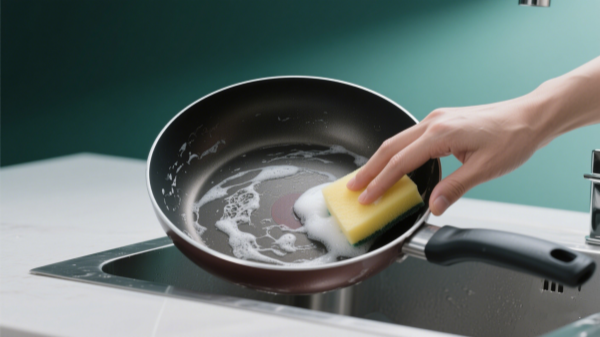
- Discoloration or Etching: Metals like aluminum (unless anodized) can develop dull spots, while stainless steel sometimes takes on a rainbow sheen that doesn’t affect performance but can look unsightly.
- Thermal Shock Risk: Placing a red-hot pan directly into a cold dishwasher may induce stress cracks—always let cookware cool before loading.
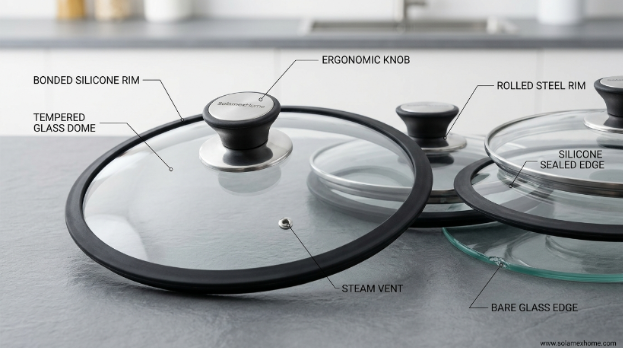
- Handle & Lid Damage: Wooden or plastic handles, and some glass lids, may not tolerate the dishwasher’s heat and moisture as well as metal pieces.
Understanding these caveats will help you get optimal performance—let’s explore how to use your dishwasher smartly to minimize wear.
Best Practices for Using Your Dishwasher
- Check Manufacturer Guidelines: Always start by verifying that each piece is truly dishwasher safe.
- Allow to Cool: Let hot pans return to room temperature before loading.
- Proper Rack Placement: Lay pans at a slight angle, avoid nesting, and keep handles clear of spray arms for full water coverage.
- Choose Gentle Cycles: Use eco or gentle wash settings when possible to reduce detergent concentration and heat exposure.
- Select the Right Detergent: Opt for mild, phosphate-free tablets or powders—avoid aggressive “powder blast” formulas.
- Pre-Rinse Light Debris: Scrape off large food particles to prevent clogging and ensure thorough cleaning.
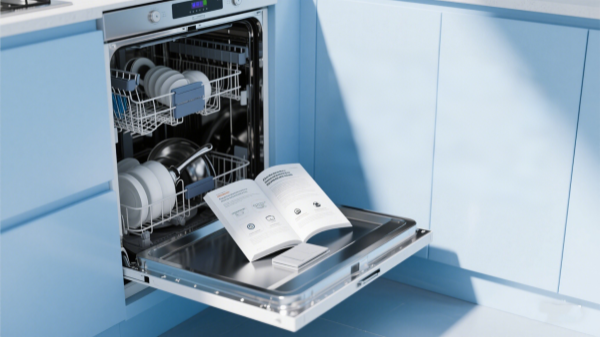
By following these steps, you’ll preserve both the appearance and performance of your cookware. Now, let’s turn to choosing the right pieces when shopping.
Buying Guide: Choosing Truly Dishwasher-Safe Cookware
When you’re ready to invest in a new set or replace worn-out pieces, keep these factors in mind:
- Look for Clear Labels: Seek the official dishwasher-safe icon or explicit wording on packaging and product listings.
- Material & Construction Quality: Trusted brands often use multi-ply stainless steel or fully hard-anodized aluminum to ensure longevity.
- Warranty & Care Recommendations: A longer warranty typically signals confidence in dishwasher resilience and overall craftsmanship.
- Handle & Lid Materials: Prefer all-metal handles or high-heat silicone that can endure dishwasher conditions.
- Customer Reviews: Look for feedback specifically mentioning dishwasher performance and long-term wear.
By weighing these criteria, you’ll find cookware that delivers both performance on the stove and peace of mind in the dishwasher.
And if you are a wholesale buyer looking for cookware that checks all these boxes, look no further than Solamex. With industry-leading quality control, durable finishes, and customizable bulk options, Solamex delivers reliability you can trust. Their full line of dishwasher-safe cookware is backed by comprehensive warranties and attentive customer support, ensuring your purchase performs day after day. Partnering with Solamex means you gain a supplier committed to innovation, consistency, and competitive pricing. Elevate your bulk purchases of cookware with Solamex for unmatched peace of mind.
Conclusion & Takeaways
Choosing dishwasher safe cookware can revolutionize your kitchen routine—saving you time, improving cleanliness, and maintaining consistent performance. Yet, to protect your investment, always verify manufacturer instructions, use gentle cycles, and follow best‐practice loading. When in doubt, hand‐wash delicate nonstick or wooden‐handled pieces to extend their lifespan.
Ready to streamline your post-meal cleanup? Start by selecting cookware in materials like stainless steel, hard-anodized aluminum, and enamel-coated cast iron for the perfect balance of durability and dishwasher resilience. Your future self will thank you!
2, 4, 8 Quart Cookware Sizes Explained: Complete Guide & Buying Tips
The Science of Dishwasher Safe Cookware: 2025 Buyer’s Guide