Dishwasher‑Safe Cookware: Your Essential Guide to Easy Cleanup
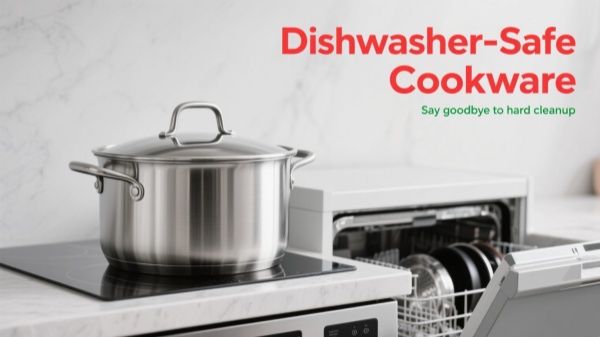
Dishwasher‑Safe Cookware: The Ultimate In‑Depth Guide
Quick Answer: Dishwasher‑safe cookware includes items specifically engineered to endure high‑temperature wash cycles, water pressure, and detergents without damage—providing busy cooks with efficient cleanup and reliable sanitization. Balancing machine washing with proper care habits ensures long‑lasting performance.
1. What Is Dishwasher‑Safe Cookware?
“Dishwasher‑safe” refers to kitchenware that manufacturers explicitly rate as able to withstand modern dishwasher conditions without warping, discoloration, or coating degradation. This encompasses high‑quality stainless steel pots, hard‑anodized aluminum pans, select ceramic or PTFE‑free coated skillets, and even certain glass or silicone accessories.
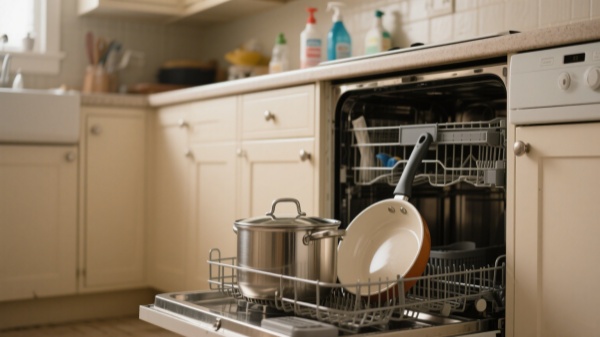
Unlike generic “dishwasher‑friendly” labels, true dishwasher‑safe products undergo rigorous testing against temperature spikes (up to 150°F/65°C), alkaline detergents, and mechanical spray arms. That testing guarantees that repeated machine cycles won’t compromise the integrity of the surface or the bond between handle and body.
In contrast, items without this rating often show etching, dull spots, or peeling coatings within a few washes. Understanding the difference empowers you to invest confidently in gear that matches your cleanup routine.
2. Why Dishwasher‑Safe Cookware Matters
In fast‑paced households, dishwasher‑safe cookware offers more than just convenience—it enhances kitchen hygiene, saves precious time, and can reduce dishwashing fatigue. Here’s why it matters:
- Time‑Saving Efficiency: Instead of soaking, scrubbing, and drying dozens of pans by hand, you simply load them, select the appropriate cycle, and reclaim 15‑30 minutes of prep or family time.
- Superior Sanitization: Professional-grade dishwasher cycles exceed 140°F (60°C) and use detergents formulated to break down grease and kill bacteria more effectively than typical hand‑washing.
- Consistent Results: Automated cycles deliver repeatable cleaning performance, ensuring no hidden food residue remains in nooks, crevices, or handle joints.
- Energy & Water Savings: Modern dishwashers are surprisingly efficient, often using less water and energy per wash than hand‑washing dozens of items.
While these benefits are compelling, it’s crucial to understand the trade‑offs: repeated exposure to harsh detergents and high heat can gradually dull certain finishes. In the next sections, we’ll explore which materials truly stand up to the dishwasher and how to select the best pieces for your kitchen.
3. Key Materials & Coatings That Withstand the Dishwasher
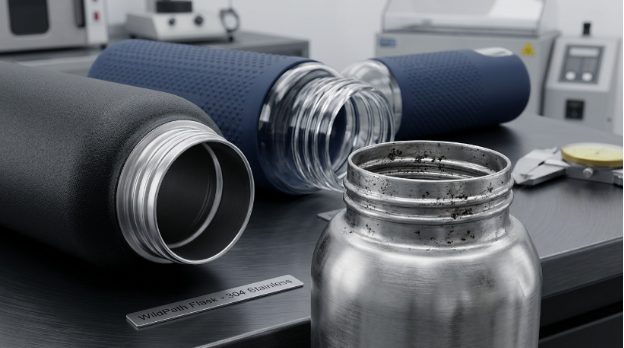
- Stainless Steel: Renowned for durability and non‑reactivity, stainless steel tolerates extreme temperatures and detergents without rusting. Look for 18/10 or 18/8 grade for the best corrosion resistance. Be aware that hard water may leave mineral deposits—these wipe away easily with a microfiber cloth.
- Hard‑Anodized Aluminum: Through an electrochemical anodization process, aluminum surfaces become up to five times harder than stainless steel. This finish resists scratches, warping, and staining—yet you should always verify dishwasher suitability on the manufacturer’s specifications.
- Ceramic & PTFE‑Free Nonstick Coatings: Modern ceramic coatings (free of PFOA and PFAS) offer a non‑toxic, easy-release surface. Quality lines are tested for dishwasher endurance, typically limited to top‑rack only. Avoid abrasive detergents that can abrade delicate coatings over time.
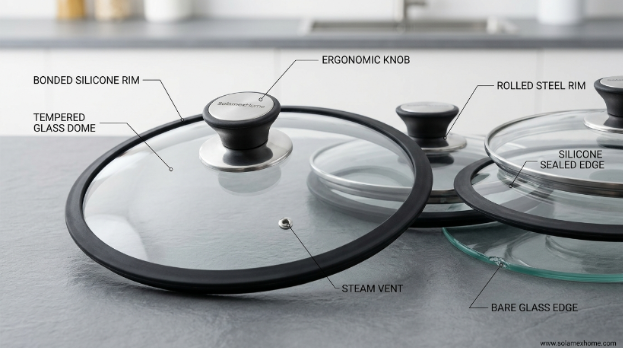
- Tempered Glass & Silicone Accessories: Bakeware, lids, and utensils crafted from tempered glass or food-grade silicone usually tolerate full‑cycle washes. However, rapid temperature changes can induce thermal stress—avoid placing hot glass directly into a cold dishwasher.
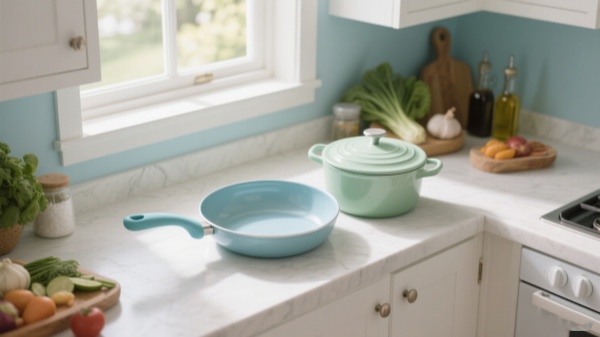
By choosing from these materials, you ensure your cookware not only cleans well but also maintains its appearance and functionality through hundreds of cycles.
4. How to Choose the Best Dishwasher‑Safe Cookware (5 Steps)
Selecting the right dishwasher‑safe cookware involves more than spotting a symbol on the box. Follow these five steps to build a collection that suits your needs and your machine’s capabilities.
- Assess Your Cooking Style: Frequent sautéing, searing, or boiling? If you cook multiple courses nightly, prioritize ultra‑durable options like stainless or hard‑anodized. Occasional bakers may lean on glass and silicone accessories for their top‑rack versatility.
- Match to Dishwasher Cycle: If your machine offers a “sanitize” mode with extended high heat, select metals rated for that program. On a gentle or eco‑friendly cycle, coated surfaces may fare well—just avoid powdered detergents.
- Verify Manufacturer Ratings: Scrutinize product pages or user manuals for dishwasher icons. Brands sometimes list cycle temperature limits—when in doubt, opt for “top-rack only” designation to minimize wear.
- Leverage Real‑User Feedback: Consult customer reviews and “People Also Ask” insights: search your top models in Google and note recurring praises or complaints about warping, discoloration, or coating peel.
- Balance Price, Warranty & Brand Reputation: Premium lines often include multi‑year warranties covering warping or finish defects. A slightly higher upfront cost can translate to years of reliable service.
Pro Tip: Load heavier items on lower racks to reduce spray-arm stress on lighter pans, and ensure no utensil blocks detergent flow—this simple habit extends both your dishwasher’s and cookware’s lifespan.
5. Common Challenges & Maintenance Tips
Even the toughest dishwasher‑safe pieces can face hiccups. Here are the most common issues and how to remedy them:
- Etching & Dull Spots: When alkaline powder detergents attack metal surfaces, a scratched or matte appearance can result. Solution: Switch to a liquid, low‑alkaline dishwasher soap and run a vinegar rinse cycle monthly.
- Mineral Deposit Buildup: Hard water leaves white speckles on steel and glass. Solution: Place a cup of distilled white vinegar in the dishwasher and run an empty hot cycle to dissolve residue.
- Coating Flaking or Scratching: Abrasive trays or overcrowded racks can chip nonstick surfaces. Solution: Hand‑wash delicate coated pans or use the top rack only, and gently separate cookware to avoid contact.
- Handle Loosening: Some handles weaken over extended machine cycles. Solution: Periodically check screws and rivets; tighten with a screwdriver if needed (ensure no water seeps in).
With these maintenance habits, even the most machine‑abused cookware can remain in kitchen‑ready condition for years.
6. Frequently Asked Questions
Can dishwasher cycles shorten the life of my cookware?
Repeated exposure to high heat and strong detergents can gradually dull finishes and weaken nonstick coatings. To maximize lifespan, reserve dishwasher use for heavy-duty materials like stainless steel and hard-anodized aluminum, and hand‑wash delicate items.
Which materials hold up best in the dishwasher?
Stainless steel (18/10 or 18/8 grades), hard‑anodized aluminum, tempered glass, and food‑grade silicone are the most resilient. Always check product labeling for manufacturer‑tested cycle limits.
Do I need to rinse cookware before loading it?
Light scraping to remove large food particles is sufficient. Modern dishwashers handle grease and small residue effectively—over-rinsing can waste water and reduce detergent efficacy.
Is top-rack only truly safer?
Yes—placing delicate coatings and lighter pieces on the upper rack minimizes direct exposure to the spray arm’s high-pressure jets and hotter zones at the bottom.
7. Conclusion & Next Steps
Dishwasher‑safe cookware transforms cleanup from a chore into a seamless step of your cooking rhythm. By selecting materials tested for machine cycles, following manufacturer guidelines, and adopting smart loading and maintenance habits, you’ll enjoy spotless dishes and durable performance.
Ready to upgrade your kitchen? Explore our in‑depth Cookware Reviews and the latest Buying Guides for expert recommendations on brands, bundles, and budget‑friendly sets.
Dishwasher Safe Cookware: Science-Backed Guide to Materials, Brands & Longevity
2025 Dishwasher Safe Cookware: Science-Backed Guide to Materials, Maintenance & Top Picks