Ensuring the Safety of Stainless Steel Cookware: An In-Depth Analysis
Stainless steel cookware is widely used in kitchens around the globe due to its durability, resistance to rust and corrosion, and sleek appearance. Despite its popularity, many consumers have questions regarding its safety—specifically, whether these cookware items may release harmful metals during use, and how they compare with other cookware materials in terms of safety. In this article, we explore the composition and unique characteristics of stainless steel, analyze potential safety risks, and compare it with alternative materials. We also offer recommendations for selecting and maintaining safe stainless steel cookware.
Stainless Steel Cookware: Composition and Characteristics
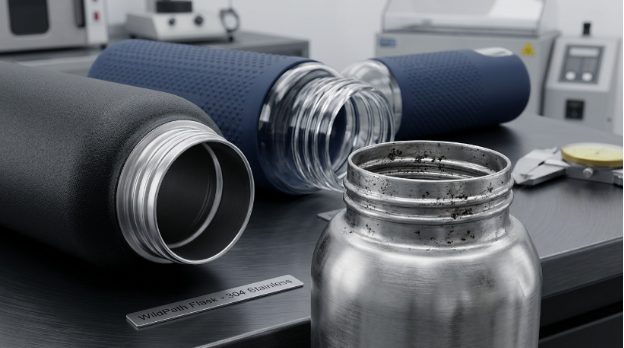
Stainless steel is an alloy primarily composed of iron, with a minimum of 11% chromium and varying amounts of nickel, molybdenum, and other elements. The inclusion of chromium in the alloy forms a thin, protective chromium oxide layer on the surface, which prevents rust and corrosion. For instance, 304 stainless steel (often labeled as 18/8) contains approximately 18% chromium and 8% nickel, making it highly effective for everyday cooking. In contrast, 316 stainless steel (18/10) has a slightly higher nickel content and added molybdenum, enhancing its resistance to salt and acidic environments.
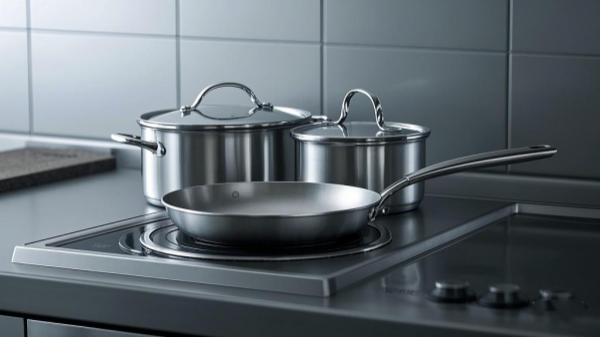
Modern stainless steel cookware is frequently constructed using multi-ply or tri-ply techniques. These designs typically incorporate an aluminum or copper core between layers of stainless steel, which improves heat distribution and ensures even cooking. This layered construction not only enhances performance but also reduces the risk of hot spots that can affect the overall cooking process.
Safety Analysis of Stainless Steel Cookware
One of the primary concerns regarding stainless steel cookware is the potential for metal leaching. During cooking, especially when preparing acidic dishes like tomato sauces or citrus-based recipes, trace amounts of metals such as nickel and chromium may leach into the food. However, extensive research has shown that the levels of metal leaching from high-quality stainless steel are generally within safe consumption limits.
For most consumers, the risk of metal exposure is minimal. Nonetheless, individuals with nickel allergies should exercise caution. If you are particularly sensitive, consider selecting cookware specifically designed to be low in nickel. Overall, proper usage and routine cleaning can help maintain the protective properties of stainless steel.
Cooking with acidic foods might marginally increase metal leaching, but studies indicate that the amounts remain negligible for the average user. Therefore, stainless steel remains a safe and reliable choice for most cooking applications.
Safety of Specialized Stainless Steel Cookware
Aluminum-Core Stainless Steel Cookware
To improve heat conductivity, many manufacturers use an aluminum core within stainless steel cookware. This design allows for rapid and even heating while ensuring that the aluminum is completely encapsulated by stainless steel. As a result, there is minimal risk of aluminum exposure, and these pans are considered safe for everyday use.
Titanium-Infused Stainless Steel Cookware
Some modern cookware incorporates titanium into stainless steel alloys to enhance strength, reduce weight, and improve corrosion resistance. Titanium-infused stainless steel cookware is generally regarded as safe and offers superior durability and a sleek finish.
Comparing Stainless Steel with Other Cookware Materials
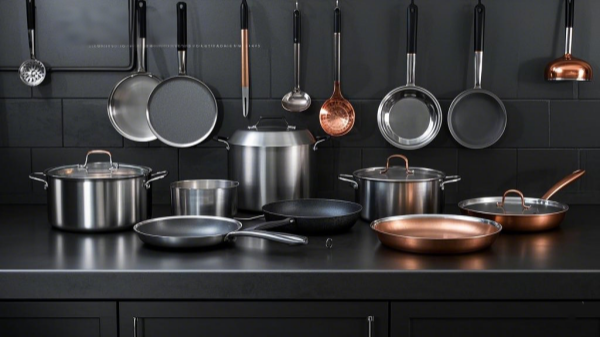
While stainless steel is widely valued for its durability and non-reactivity, it's helpful to compare it with other popular cookware materials to better understand its safety profile:
• Ceramic Cookware: Often touted as a non-toxic alternative, ceramic cookware features a naturally non-stick surface. However, ceramic coatings may degrade over time, and some products might chip or crack under high temperatures.
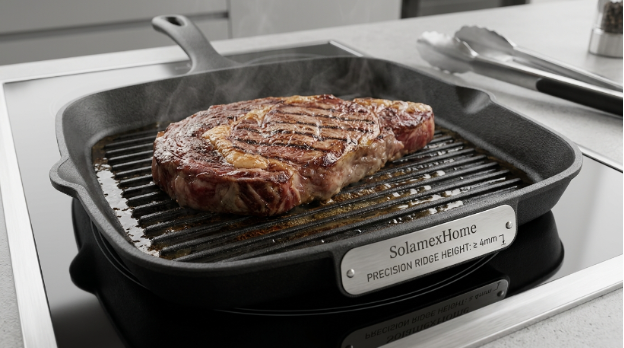
• Cast Iron Cookware: Known for excellent heat retention and a natural non-stick surface when properly seasoned, cast iron requires careful maintenance to prevent rust. It can also leach iron, which may be beneficial for some but problematic for others.
• Copper Cookware: Copper offers unmatched heat conductivity but usually requires a lining (often tin or stainless steel) to prevent reactivity with food. While highly effective, copper cookware is typically more expensive and requires additional care.
• Aluminum Cookware: Aluminum cookware is recognized for its lightweight nature and rapid heating, which allows for quick and even heat distribution. However, pure aluminum can react with acidic foods, so anodized aluminum is often preferred for its enhanced durability and non-reactivity.
Compared to these alternatives, stainless steel cookware is a balanced choice—combining durability, ease of cleaning, and safety under most cooking conditions.
Choosing and Maintaining Safe Stainless Steel Cookware
When selecting stainless steel cookware, it is important to consider quality and design. Opt for products made from high-quality, food-grade stainless steel (such as 304 or 316) and manufactured using multi-ply construction for optimal performance. Avoid products with poor construction or low-grade materials, as they may not offer the same level of safety or durability.
Additionally, proper maintenance is essential for long-lasting cookware. Always follow the manufacturer's cleaning instructions and avoid harsh chemicals or abrasive tools that might damage the protective chromium oxide layer. Regular, gentle cleaning preserves the cookware's integrity and ensures it remains safe for all types of cooking.
Conclusion
In conclusion, stainless steel cookware is a safe, reliable, and versatile option for everyday cooking when used and maintained properly. While concerns about metal leaching and nickel sensitivity exist, research consistently shows that high-quality stainless steel cookware operates within safe consumption limits. Additionally, specialized options like aluminum-core and titanium-infused stainless steel offer further benefits without compromising safety.
When compared with other cookware materials such as ceramic, cast iron, and copper, stainless steel stands out for its balance of durability, safety, and ease of maintenance. By selecting reputable products and following best practices for cleaning and care, you can enjoy the many benefits of stainless steel cookware in your kitchen.
For those looking to source high-quality cookware at competitive prices, Solamex is a professional wholesale cookware company dedicated to providing innovative, durable, and high-performance products for both home chefs and culinary professionals. Our extensive range of stainless steel cookware is designed to meet diverse cooking needs while ensuring longevity and exceptional performance.
Happy cooking, and may your kitchen always shine!
Is Aluminum Cookware Safe? A Comprehensive Analysis of Its Safety and Health Impacts
The Ultimate Guide to Cleaning Stainless Steel Cookware: Tips, Techniques, and Maintenance