Flat Bottom Wok vs. Round: Which One Should You Actually Buy?
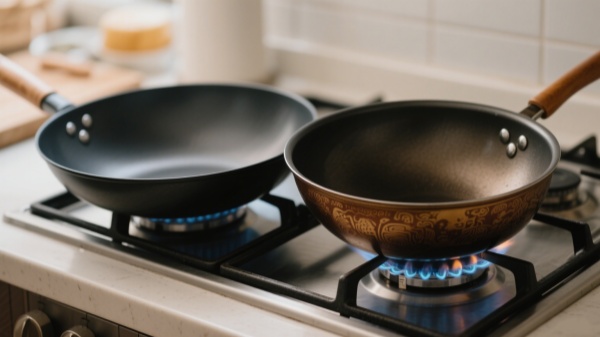
You’ve decided today is the day. You’re finally going to master that sizzling, restaurant-quality stir-fry at home. You've got the ingredients, you've watched the videos, but then you hit the first real roadblock: buying the wok. The choice seems simple—flat or round bottom?—but trust me, this is the most critical decision you'll make on your path to wok mastery. It's the fork in the road that leads to either success or frustration.
Let's cut to the chase: For the vast majority of modern home kitchens, especially those with electric or induction cooktops, a flat bottom wok is your best and only real choice. If you're one of the lucky few with a powerful gas stove, then congratulations—you have the freedom to embrace the tradition of a classic round bottom wok.
But that's just the beginning of the story. Your stove determines what's possible, but the wok's shape deeply influences the entire cooking experience—from how heat moves to the flick of your wrist, and whether you can achieve the legendary 'wok hei'. So, let's dive deep into every detail of this matchup.
The Dealbreaker: Your Ultimate Guide to Stove Compatibility
Before we talk about technique or tradition, let's get practical. This is the one rule you can't break, and it makes the decision crystal clear for many people.
For Induction & Electric/Glass Cooktops: The Undisputed Champion
If you have a flat, glass, or ceramic stovetop, the debate is already over. You need a flat bottom wok. It’s a matter of simple physics: these cooktops work by direct contact. A round bottom can't make proper contact, leading to pathetic heat transfer, wobbly instability, and a very disappointing meal. You need that flat base to absorb energy efficiently and sit securely on the burner. Don't fall for gimmicky "induction rings"; they are inefficient and can even be a safety hazard.
For Gas Stoves: Freedom of Choice (With a Catch)
A gas stove opens up your options. The flames can travel up the sides of the pan, making both shapes viable.
The round bottom wok is the traditional choice for a reason. On a powerful burner, the flames hug its curved surface, creating an intense, focused hot spot at the very bottom perfect for searing, with gradually cooler zones up the sides. However, here's the catch: on almost all Western-style home gas grates, a round bottom wok won't sit flat. You must use a wok ring—a simple metal ring that cradles the wok, providing stability and focusing the flame.

The flat bottom wok, on the other hand, works perfectly on a gas stove right out of the box. It offers excellent stability and requires no extra accessories. While the heat pattern is a bit different, it's still more than capable of reaching the searing temperatures you need.
Performance Showdown: Heat, Technique, and the Secret of 'Wok Hei'
Okay, you've figured out what works on your stove. Now for the fun part: how will these shapes actually affect your cooking?
Heat Distribution: The Hot Spot vs. The Hot Plate
A round bottom wok is all about creating heat zones. It funnels all the liquid and ingredients into a super-hot central area, perfect for getting a fast, hard sear. The sloped sides then act as cooler holding areas, allowing you to cook ingredients at different speeds. It’s a dynamic, fluid way of cooking.
A flat bottom wok behaves a little more like a skillet with high walls. The flat base provides a larger area of direct, even heat, which is excellent for searing a bigger batch of meat or getting a nice crust on potstickers. The heat still travels up the sides, but the primary cooking zone is that flat base.
The Art of the Stir-Fry 'Toss'
Here's where tradition shines. The seamless curve of a round bottom wok is tailor-made for the classic stir-fry toss. The motion feels natural, effortlessly pushing food up the sides and letting it tumble back into the center. It’s what the tool was born to do.
With a flat bottom wok, the 'toss' is slightly different. You rely more on a pushing and scooping motion with your spatula. While you might not get the same high-flying action, it's a technique that is easily mastered and highly effective for home cooking.
What is 'Wok Hei'?
Often translated as "the breath of the wok," wok hei is that complex, smoky flavor that defines a great stir-fry. It's created when droplets of oil and food particles hit the super-heated metal of the wok, vaporize, and infuse the food. While a round bottom over a roaring gas flame is the easiest way to achieve it, don't despair—a properly pre-heated carbon steel flat bottom wok can absolutely get hot enough to produce that coveted flavor at home.

The Daily Grind: Ease of Use, Versatility & Maintenance
Which is More Beginner-Friendly?
The flat bottom wok wins this one, hands down. Its stability is its greatest asset. There's no wobbling, no need for a separate ring, and its familiar shape is less intimidating for those graduating from a standard frying pan. It’s the forgiving choice.
Beyond the Stir-Fry
A wok is more than just a stir-fry pan; it's the most versatile pan in the kitchen. How do they stack up?
- Deep Frying: The round bottom is slightly better as its shape requires less oil to achieve the necessary depth.
- Pan-Frying/Searing: The flat bottom's larger surface area gives it a clear advantage for searing steaks or pan-frying dumplings.
- Steaming & Braising: Both are excellent for these tasks.
Conclusion & Buying Guide: A Cheat Sheet for Your Decision
The choice is simpler than you think. Let's break it down into a clear table and some straightforward recommendations.
| Feature | Flat Bottom Wok | Round Bottom Wok |
|---|---|---|
| Best Stoves | Electric, Induction, Gas | High-power Gas (with wok ring) |
| Heat Pattern | Concentrated on the flat base | Focused in the center, creates heat zones |
| Technique | Stable, easy for beginners, push-stir method | Traditional, ideal for tossing, requires a wok ring |
| Wok Hei | Achievable, especially with carbon steel | Easier to achieve with a powerful flame |
| Beginner Friendly | ★★★★★ | ★★★☆☆ |
| Versatility | Excellent, especially for searing | Excellent, especially for deep-frying |
Chef's Recommendations: Which Wok is For You?
For the Apartment Dweller with an Electric Stove:
Get a 12-14 inch carbon steel flat bottom wok. No question. It will be the most-used pan in your kitchen.
For the Culinary Traditionalist with a Great Gas Range:
If you have the flame for it and crave the most authentic experience, get a 14-inch hand-hammered carbon steel round bottom wok. And don't forget the wok ring!
For the Absolute Beginner Who Just Wants to Cook Better:
Start with a flat bottom wok. Its stability and versatility make it the perfect tool to build your confidence and skills.
Frequently Asked Questions
Can I use a round bottom wok on a glass top stove?
It is strongly discouraged. A round bottom wok on a glass or ceramic cooktop is inefficient and dangerous. The poor contact means very little heat gets transferred, and the concentrated point of heat can potentially crack your cooktop. Stick with a flat bottom wok for these surfaces.
Is a flat bottom wok less 'authentic'?
Not at all. 'Authenticity' comes from your technique and ingredients, not just the tool. The wok was designed for ancient stoves; the flat bottom wok is a smart evolution for modern kitchens. Many renowned chefs use and recommend high-quality flat bottom woks for home cooking because the tool must suit the environment.
What size wok should I buy?
For a typical family of 2-4 people, a 12 to 14-inch (30-35 cm) wok is the most practical and versatile choice. It's large enough to prevent food from spilling out during stir-frying but still manageable on a standard home stove.
Besides the shape, what material should I look for?
Carbon steel is the top choice for both professional chefs and enthusiasts. It's lightweight, heats up incredibly fast, and once seasoned properly, develops a fantastic non-stick surface. It's the key to achieving great results, regardless of the bottom shape.

Solamex — Wholesale Pots and Pans Expertise
Solamex offers wholesale pots and pans, combining durable materials, precise craftsmanship, and flexible product customization. From premium stainless steel to advanced nonstick lines, our catalog is built for both retail distribution and demanding commercial kitchens — ensuring consistency in performance and presentation.
What Size Dutch Oven for Sourdough? A Baker’s Complete Guide
Flat-Bottom Wok vs Round Wok: Which Shape Should You Buy?