From Burnt to Brilliant: Restore Your Stainless Steel Cookware
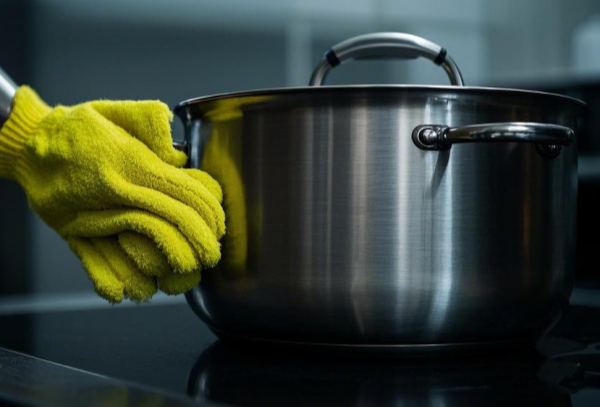
Stainless steel cookware is celebrated for its durability, sleek design, and versatility. However, even the best stainless steel cookware can suffer from burnt food and stubborn residues. Whether you're an experienced chef or a home cook, learning how to clean burnt stainless steel cookware effectively is essential for maintaining both the performance and longevity of your prized kitchen tools. In this guide, we will walk you through step-by-step techniques and practical tips that are in line with current best practices, ensuring that your stainless steel cookware remains in excellent condition.
Understanding the Issue
Burnt residues on stainless steel cookware not only affect the appearance but can also impact the flavor of future meals and reduce the efficiency of your frying pans, grill pans and so on. The problem typically arises from overheating, using too high a flame, or leaving food to sit for too long. Over time, these burnt-on residues harden, making them increasingly difficult to remove. Fortunately, with the right approach and materials, you can restore your cookware’s shine and functionality.
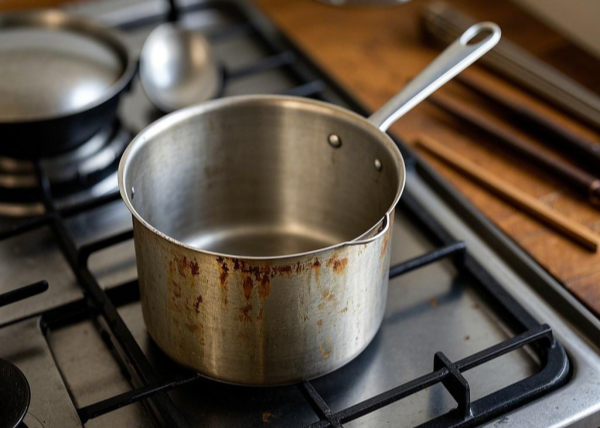
Step 1: Pre-Treatment – Cooling Down and Initial Soaking
Cooling Down
Before you start any cleaning process, it is vital to let your stainless steel cookware cool naturally. Plunging a hot pan into cold water can lead to thermal shock, which might cause the metal to warp or even crack. Allowing the cookware to cool prevents damage and ensures that your cleaning methods work more effectively.
Initial Soaking
Once the pan has cooled, fill it with warm water and add a few drops of a mild dish detergent. Letting the cookware soak for at least 30 minutes is a critical step. This soaking process helps to loosen the burnt food particles and softens the residue, making the scrubbing process much easier. For pans with particularly stubborn burnt-on food, consider letting them soak for up to an hour.
Step 2: Effective Cleaning Methods
Baking Soda and Vinegar Method
The combination of baking soda and vinegar is a well-known natural cleaning solution that works wonders on stainless steel cookware. This method not only tackles the burnt residue but also helps to deodorize the pan.
- Mix the Solution: Create a paste using baking soda and a small amount of water. Alternatively, you can sprinkle baking soda over the burnt area and then pour white vinegar over it, allowing it to fizz.
- Apply and Let Sit: Spread the paste over the burnt areas of your stainless steel cookware. Allow it to sit for 15-20 minutes. The chemical reaction helps break down the burnt residue.
- Scrub Gently: Use a non-abrasive sponge or a soft-bristle brush to scrub the surface. Be gentle to avoid scratching the stainless steel finish.
- Rinse Thoroughly: Rinse the cookware with warm water and repeat the process if necessary.
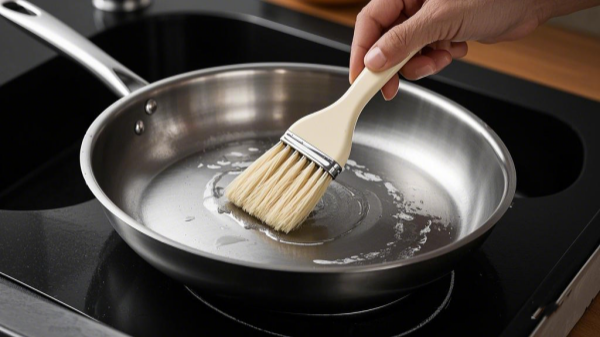
Boiling Water and Dish Soap Method
This method is particularly effective for moderate burn marks. The heat and the soap work together to lift the stubborn burnt particles.
- Fill with Water: Add enough water to cover the burnt area in the pan and bring it to a boil.
- Add Dish Soap: Once boiling, add a few squirts of dish soap. Allow the water to boil for about 10 minutes.
- Cool and Scrub: Remove the pan from heat and let it cool slightly. Then, use a soft sponge to scrub away the loosened residue.
Baking Soda Paste Scrubbing
For those situations where the burnt residue is particularly stubborn, a thicker paste might be required.
- Create a Thick Paste: Combine baking soda with a small amount of water until you achieve a consistency that can cling to the surface.
- Apply and Let it Sit: Spread this paste over the burnt areas and allow it to sit for 30 minutes to an hour.
- Scrub and Rinse: Scrub the area using a nylon scrubber, then rinse thoroughly with warm water. You may need to repeat this process for particularly tough stains.
Using Commercial Stainless Steel Cleaners
If natural methods do not fully remove the burnt residue, consider using a commercial stainless steel cleaner. These products are formulated to break down stubborn grease and burnt food without harming the metal surface. Always follow the cookware manufacturer's instructions, and test the cleaner on a small area first to ensure it does not damage the finish.
Step 3: Prevention and Maintenance Tips
Cooking Practices
Preventing burnt food on stainless steel cookware starts with proper cooking techniques. Avoid using excessively high heat unless absolutely necessary, and consider preheating your pan gradually. Using an adequate amount of oil or cooking spray can also create a protective layer, reducing the chances of food sticking and burning.
Regular Cleaning Routine
Incorporate regular cleaning into your kitchen routine to prevent the buildup of burnt residues. After each use, rinse your stainless steel cookware with warm water and a mild detergent. Avoid letting food residues sit for prolonged periods, as this can lead to more challenging stains and burnt-on food in the future.
Proper Storage
Ensure that your cookware is completely dry before storing it. Moisture can lead to the formation of water spots or even rust on certain types of stainless steel. A light coating of oil after cleaning can also help maintain the cookware's shine and create an additional barrier against future stains.
Additional Considerations for Stainless Steel Cookware Care
While the above methods are highly effective in cleaning burnt stainless steel cookware, it is important to consider a few additional tips for overall maintenance:
- Avoid Abrasive Tools: Steel wool or metal scrubbers can scratch the surface of stainless steel cookware. Instead, opt for non-abrasive sponges or brushes.
- Temperature Awareness: Sudden temperature changes can not only affect the cleaning process but may also compromise the structural integrity of your cookware.
- Frequent Inspections: Regularly inspect your cookware for signs of wear or damage. Early intervention can prevent small issues from becoming significant problems.
- Quality Products: Investing in high-quality stainless steel cookware can make a significant difference in its longevity and performance. Premium pans often have features that reduce sticking and facilitate easier cleaning.
Conclusion
Cleaning burnt stainless steel cookware may seem daunting, but with the right techniques and a bit of patience, you can restore your pans to their former glory. By following the cooling, soaking, and targeted cleaning methods outlined above—whether you opt for the natural baking soda and vinegar approach or a commercial cleaner—you can effectively remove burnt residues and maintain the pristine appearance of your stainless steel cookware.
Moreover, adopting preventive measures in your cooking and cleaning routines can significantly reduce the risk of burnt food and persistent stains in the future. Proper care not only enhances the look of your stainless steel cookware but also extends its lifespan and improves its cooking performance. Embrace these techniques and tips, and enjoy the benefits of a clean, efficient kitchen that meets both professional and home cooking needs.
Cooking with Aluminum Pans: Safety, Reusability, and Best Practices
Wok Smart: Elevate Your Health with Every Stir-Fry