Granite Cookware: Safety, Performance, and Buying Guide
A practical overview that explains what “granite” cookware usually means, how it performs, how to care for it, and what to check before buying.
Quick Answer
“Granite” cookware typically refers to a mineral-based nonstick coating applied over an aluminium or steel core. Most modern granite-coated pans are marketed as PFOA/PFAS-free and offer good initial nonstick performance, but longevity depends on build quality and user care. If you want lightweight, easy-to-clean pans for eggs, pancakes and low‑to‑medium heat cooking, granite cookware is a reasonable, often budget‑friendly choice. For high‑heat searing or long-term heavy use, stainless steel, hard‑anodized aluminum, cast aluminum or cast iron remain superior.
What “Granite Cookware” Actually Means
The term granite in cookware is a marketing label rather than a literal description of material. In practice you’ll find two patterns:
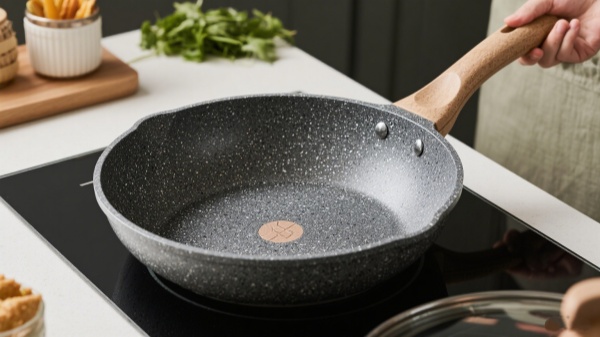
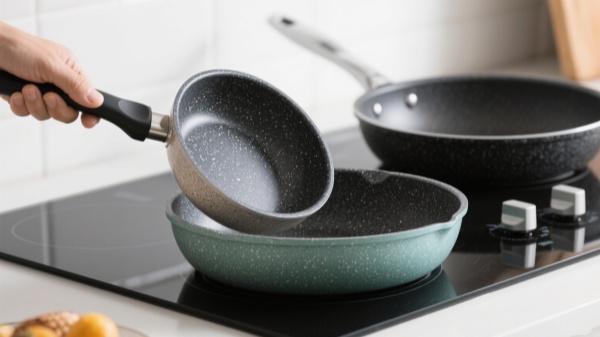
- Granite‑coated nonstick: a metal core (usually aluminium) coated with a mineral‑based, stone‑like nonstick finish that may include stone particles for texture and visual effect.
- Cookware made from stone slabs: rare — actual stone or composite blocks used like specialized cookware. Most mass market “granite” pans are the first type.
Because marketing labels vary, always check product specifications to learn the core material (aluminium, stainless steel) and whether the manufacturer lists the coating composition and heat limits.
How Granite‑coated Pans are Built (Short)
Typical construction is: a stamped or forged metal (like aluminum) base → one or more primer/base coats → one or more mineral/stone‑infused nonstick layers → often a top protective layer. Manufacturers commonly promote a "mineral" or "stone" coating that they say improves scratch resistance. The metal core controls heat distribution; the coating controls release and cleanup.
Is Granite Cookware Safe: Chemicals, Overheating and Practical Rules
The big safety questions around nonstick pans like granite and ceramic historically revolve around PFAS chemicals such as PFOA and related compounds. In recent years many cookware manufacturers advertise their granite coatings as PFOA/PFAS-free. This greatly reduces the classic concern linked to PFOA, but it doesn’t automatically guarantee a flawless product: the coating's stability, maximum safe temperature and the quality of the base metal remain important.
Practical safety rules I use and recommend:
- Follow the manufacturer’s maximum recommended temperature — avoid dry‑heating an empty pan at very high heat.
- If the coating chips, flakes or peels, stop using that pan for food preparation.
- Prefer pans that explicitly state they are PFOA/PFAS free and show clear oven/stovetop temperature guidance.
Note: reputable consumer health guides now recommend choosing cookware that avoids PFAS where possible and reading independent reviews for long‑term durability.
Performance: What to Realistically Expect
Strengths of granite‑coated pans:
- Lightweight handling compared with cast iron.
- Good initial nonstick release for eggs, pancakes and delicate foods.
- Often lower price than premium PTFE brands or professional stainless sets.
Typical limitations:
- The coating can abrade over months or a few years depending on the brand and how you use it.
- Not ideal for high‑temperature searing that requires sustained, intense contact.
- Scratch resistance varies — don’t assume “stone” claims mean you can use metal utensils.
User Feedback & Patterns from Reviews
We reviewed a wide sample of product pages, buyer reviews and forum threads. The most common patterns are: good short‑term nonstick performance; mixed long‑term durability; and wide variance between brands — some budget lines show coating wear in months, while stronger builds last years under careful use.
That variability means your buying choices and how you use the pan strongly affect how long it lasts.
Buying Checklist — What to Check Before You Buy
- Core material: aluminium for lightness and heat conduction; stainless steel for durability and induction compatibility.
- Coating details: number of layers if listed, PFOA/PFAS-free claims, any independent test or warranty specifics.
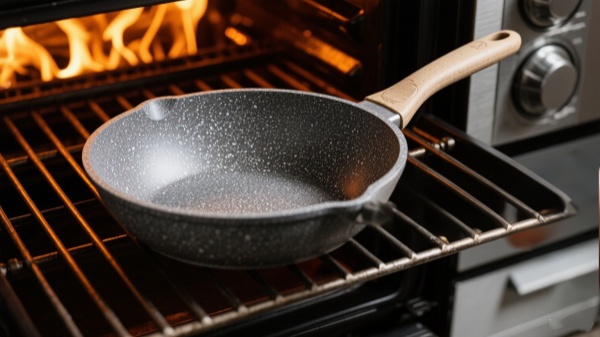
- Temperature limits: oven‑safe temperature and stovetop advice.
- Warranty & returns: reasonable warranty (1–5 years) and clear return policy.
- User evidence: look for reviews with long‑term photos and consistent praise for durability.
- Red flags: vague “stone” marketing with no specs, no temperature guidance, or no warranty.
Granite vs Ceramic vs PTFE (comparison)
| Feature | Granite‑coated | Ceramic | PTFE (Teflon‑style) |
|---|---|---|---|
| Typical safety profile | PFOA/PFAS‑free common; depends on brand | Typically PFAS‑free; marketed as inert | Older PTFE use involved PFOA; modern PTFE is usually PFOA‑free |
| Nonstick performance | Good initially; varies | Good, especially new; can lose nonstick at very high heat | Best long‑term release when cared for |
| Durability | Medium — depends on build | Medium‑low (can chip or wear) | High in premium PTFE layers if not scratched |
| Heat tolerance | Low‑medium (follow specs) | Low‑medium (avoid very high heat) | Depends; avoid overheating to prevent breakdown |
| Best for | Everyday low‑to‑medium heat cooking | Health‑focused low‑fat cooking | High‑performance nonstick for frequent use (with care) |
Care & Maintenance (extend the life)
- Hand‑wash with warm soapy water; avoid abrasive scouring pads.
- Use silicone, wood or nylon utensils — avoid metal tools on coated surfaces.
- Avoid sudden temperature shocks (don’t plunge a hot pan into cold water).
- Store pans with a soft liner between stacked surfaces.
- Replace if coating shows persistent flaking or bare metal spots.
Best Use Cases
Granite‑coated pans are well suited for eggs, pancakes, crepes, omelettes, sautéing vegetables, and other low‑to‑medium heat tasks where release and easy cleanup are priorities. They are less suited to high‑heat searing, repeated oven broiling at maximum temperatures, or finishing steaks with a deeply caramelized crust.
Recommended Picks (examples)
Below are a few representative types across price bands. These are examples of the product style — confirm the current model specifications and user reviews before purchase.
Typical lightweight granite‑coated set, good for small households; check for PFOA/PFAS‑free claims and a 1–2 year warranty.
Better build quality with thicker base and clearer oven‑safe rating (often 350–400°F); pay attention to user reports on longevity.
Higher layer count, better base (tri‑ply or thick forged base), longer warranty; these are the most likely to last with heavy use.
Look for magnetic stainless bases or specific induction‑ready labels.
FAQ
Is granite cookware safe?
Generally yes when the manufacturer states the coating is PFOA/PFAS‑free and the coating remains intact. Follow the pan’s heat limits and stop using it when the coating peels.
Can granite cookware go in the oven?
Often yes up to the temperature the manufacturer specifies — check handle materials and oven‑safe temperature. Many are rated to about 350–400°F (175–205°C), but this varies.
How do I clean granite cookware?
Hand‑wash with warm soapy water. Use soft sponges; avoid metal scouring pads and abrasive cleaners.
Are granite pans induction compatible?
Some models are — only if they have a magnetic base or a stainless steel induction plate. Verify the product spec.
Conclusion
Granite‑coated cookware offers a balance of easy release and light weight at a generally accessible price. It is a good option for everyday low‑to‑medium heat cooking, provided you follow safe temperature guidance and care for the coating. If you cook at high temperatures regularly or need decades of hard use, consider stainless steel, hard‑anodized aluminium, or cast iron instead.
References & Further Reading
The Truth About "Granite" Cookware: Is It Safe & Truly Worth Your Money?
18/10 Stainless Steel Cookware: Complete Guide to Premium Kitchen Investment