The Ultimate Guide to 18/10 Stainless Steel Cookware: Why It's the Pro's Choice
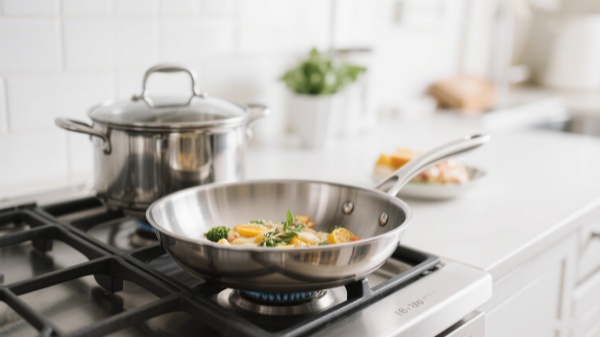
Ever stood in a kitchenware aisle, staring at a wall of shiny pots and pans, completely baffled by numbers like '18/10', '18/8', and '18/0'? They aren't just marketing jargon; they're the secret code to your cookware's performance, longevity, and even your food's taste.
This guide will demystify the numbers, dive deep into the world of 18/10 stainless steel, and help you understand why it's a cherished workhorse in both professional and serious home kitchens. We'll explore what it is, why it's so highly regarded, and ultimately, if it's the right long-term investment for you.
What Exactly Is 18/10 Stainless Steel? Decoding the Numbers
The Short and Sweet Definition
In the simplest terms, 18/10 stainless steel is a high-grade culinary alloy containing 18% chromium and 10% nickel. This specific ratio is the magic formula behind its superior quality and performance.
The Key Players: Chromium & Nickel's Roles
Think of these two elements as the superheroes of your cookware. Each has a distinct and vital job:
- Chromium (18%): This is the "stainless" in stainless steel. It forms an invisible, passive layer on the steel's surface that acts like a suit of armor, protecting it from oxygen and moisture. This is what gives it its incredible resistance to rust and corrosion.
- Nickel (10%): This is the element of luxury and resilience. Nickel significantly enhances the corrosion resistance, especially against acidic and alkaline foods. Imagine cooking a tangy tomato sauce; nickel is what prevents the pot from pitting or leaching a metallic taste. It also adds a brilliant, silvery luster and increases the steel's hardness and durability.
A Quick Comparison: 18/10 vs. The Rest
To put it in perspective, here's how 18/10 stacks up against other common types you'll encounter:
| Material Grade | Chromium % | Nickel % | Key Features | Common Uses |
|---|---|---|---|---|
| 18/10 Stainless Steel | 18% | 10% | Maximum corrosion resistance, highest luster, most durable. | High-end cookware, premium flatware, surgical instruments. |
| 18/8 Stainless Steel | 18% | 8% | Excellent performance, very common, slightly less resistant than 18/10. | Most everyday stainless steel products, quality cookware. |
| 18/0 Stainless Steel | 18% | 0% | Magnetic, decent rust resistance but vulnerable to acids, less lustrous. | Inexpensive flatware, mixing bowls, some budget cookware. |
Why Choose 18/10 Cookware? A Balanced Look at Pros and Cons
Now that we've cracked the code, let's see what these properties actually mean for you in the kitchen.
The Unbeatable Advantages
- Superior Durability & Corrosion Resistance: This is cookware built to last a lifetime. It won't react with your food, meaning no metallic taste, even when simmering acidic ingredients like wine, citrus, or tomatoes.

- Food-Safe and Non-Toxic: As a stable and non-porous material, 18/10 stainless steel is a benchmark for food safety. It doesn't harbor bacteria or leach harmful chemicals into your meals. [Source: The U.S. Food and Drug Administration (FDA) guidelines on food-safe surfaces].
- Timeless, Elegant Appearance: The high nickel content gives 18/10 cookware a lasting, brilliant shine that elevates the look of any kitchen. It simply looks and feels professional.
- Easy to Clean and Maintain: With a smooth, non-porous surface, cleanup is generally a breeze. Most 18/10 cookware is also dishwasher safe, adding a layer of modern convenience.
The Potential Downsides to Consider
- Relatively Poor Heat Conduction: On its own, stainless steel is not a great heat conductor. This can lead to hot spots and uneven cooking. To solve this, reputable cookware manufacturers create "clad" or "multi-ply" cookware, sandwiching a highly conductive core of aluminum or copper between layers of stainless steel. This is a critical feature to look for.
- Higher Cost: Nickel is an expensive metal, which translates to a higher price tag for 18/10 cookware. It's best viewed as a long-term investment rather than a budget purchase.
- Food Can Stick: There's a learning curve. Unlike non-stick pans, protein-rich foods like eggs or fish can stick to stainless steel if the pan isn't preheated correctly. The secret lies in the "hot pan, cold oil" technique.

Buyer's Guide: How to Choose the Perfect 18/10 Cookware Set
So you're convinced and ready to invest. Here’s what to focus on to ensure you bring home a true kitchen champion.
The Core is King: Understand Cladding
This is the most important factor. Look for cookware that is "fully clad," meaning the heat-conductive core (usually aluminum) extends all the way up the sides of the pan. This provides vastly superior, even heating compared to pans with just a "disk-bottom," where the core is only on the base. Common constructions are 3-ply (stainless-aluminum-stainless) or 5-ply for even better heat control.
Weight, Balance, and Feel
Good cookware has some heft. It should feel solid and balanced in your hand, not flimsy. Pay attention to the handle—is it comfortable to hold? Is it securely riveted to the pan's body? An ergonomic handle makes a world of difference during daily use.
Lids, Rims, and the Little Details
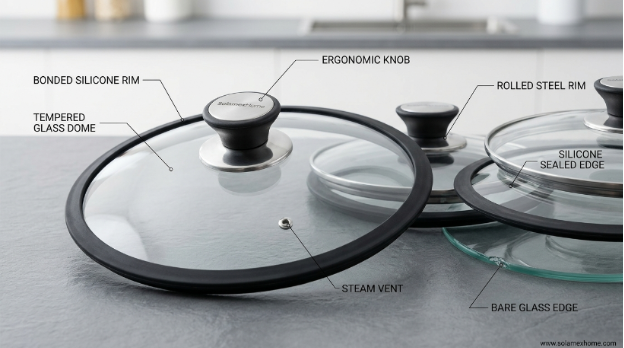
Check for tight-fitting lids that lock in moisture and heat. A small but brilliant feature to look for is a flared, drip-free rim, which allows for clean, easy pouring of sauces and liquids.
Trusted Brands to Consider
While countless brands exist, some have built a reputation for quality. For premium, fully-clad options, brands like All-Clad and Demeyere are industry standards. For excellent value and performance, consider brands like Cuisinart (MultiClad Pro) and Tramontina. [Source: Cookware review from a reputable culinary publication].
Use and Care: Keep Your 18/10 Cookware Gleaming for Decades
The Secret to a Non-Stick Experience
To prevent food from sticking, you must master preheating. Here’s how:
- Heat the dry pan over medium heat for 1-2 minutes.
- Perform the "water drop test": flick a few drops of water into the pan. If they sizzle and evaporate, it's not hot enough. If they break into tiny beads that dance across the surface, the pan is perfectly preheated.
- Wipe out the water, then add your cooking oil. Let it warm for a few seconds, then add your food. This creates a temporary non-stick barrier.
Cleaning and Stain Removal
- For daily cleaning, simple soap and warm water are sufficient.
- For stubborn stuck-on food, fill the pan with water and a bit of soap and bring it to a simmer on the stove. The food should lift right off.
- For discoloration or "rainbow" stains (a harmless heat tint), a quick wipe with white vinegar will restore the shine.
- For tough, burnt-on spots, a non-abrasive cleaner like Bar Keepers Friend is the gold standard for making stainless steel look brand new.
Conclusion: Is 18/10 Stainless Steel Cookware Your Right Investment?
Answering this is a matter of priorities. If you are a passionate home cook who values performance, longevity, and food safety above all else, then the answer is a resounding yes.
Think of it less as a purchase and more as a one-time kitchen upgrade that will pay dividends for decades. While it requires a slightly higher initial investment and a small adjustment in cooking technique, a high-quality set of 18/10 clad stainless steel cookware is one of the most reliable, versatile, and rewarding tools you can ever own. It's the foundation of a great kitchen.
Frequently Asked Questions
Is 18/10 stainless steel the best for cookware?
For most applications, 18/10 is considered the highest quality for stainless steel cookware due to its optimal balance of durability, corrosion resistance, and safety. Its performance, especially when clad with an aluminum or copper core, makes it a top choice for professionals and serious home cooks.
Is 18/10 stainless steel safe for my health?
Absolutely. 18/10 stainless steel is one of the safest materials for cooking. It is non-reactive, meaning it won't leach metals or chemicals into your food, and its non-porous surface resists bacteria buildup, making it a hygienic choice.
Can you use 18/10 stainless steel on an induction cooktop?
It depends. The 18/10 alloy itself is not magnetic. However, most high-quality cookware manufacturers add an exterior layer of magnetic stainless steel (like 18/0) to the base, making it fully compatible with induction cooktops. Always check the manufacturer's specifications before purchasing for an induction stove.
What is the difference between 18/10 and 304 stainless steel?
They are often used interchangeably in the context of cookware and flatware. 304 grade is the industrial classification for a very common stainless steel that contains approximately 18-20% chromium and 8-10.5% nickel. 18/8 and 18/10 are specific consumer-facing terms that fall within the broader 304 grade category.
18/10 Stainless Steel Cookware: Composition, Performance & Buying Guide
What “18/10” Means For Stainless Steel Cookware — Composition, Performance & Buying Guide