HexClad Safety Truth: 2025 Lab-Verified Non-Toxic Cooking Guide
Introduction & Quick Answer
In 2025, consumer demand for non‑toxic, long‑lasting cookware has never been higher. Amid concerns about PFAS “forever chemicals,” HexClad’s hybrid technology promises the best of stainless steel durability and non‑stick convenience. But is HexClad truly non‑toxic?
Quick Answer: Under normal cooking conditions (below 500 °F), HexClad’s pans are considered non‑toxic. Their raised stainless steel “peaks” protect a PFAS‑free ceramic coating (TerraBond™), while a very thin PTFE layer beneath is lab‑tested for PFOA, PFOS, and other PFAS compounds.
Scroll down or tap the table of contents above to jump to specific sections—whether you want material breakdowns, safety tips, or hands‑on care advice.
What Is HexClad? A Hybrid Cookware Overview
HexClad introduces a tri‑ply construction:
- Stainless Steel Exterior: Durable and induction‑ready.
- Aluminum Core: Rapid, even heat distribution.
- TerraBond™ Coating: PFAS‑free ceramic non‑stick.
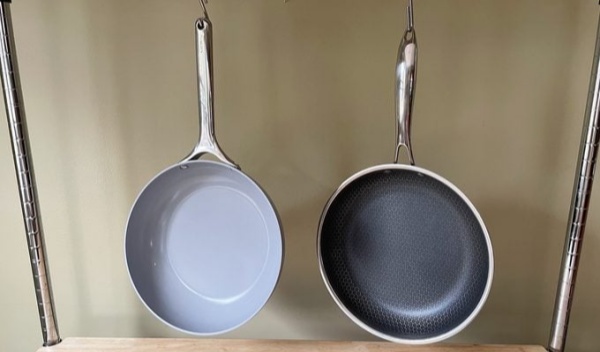
The hexagonal stainless steel “peaks” you see are more than decorative—they form a protective lattice that shields the non‑stick valleys from metal utensils, making HexClad metal‑utensil safe while still delivering easy food release.
Many users appreciate this hybrid design for versatile cooking—from high‑heat searing to gentle omelets—without needing multiple pans.
Defining “Non‑Toxic” in Cookware
“Non‑toxic” cookware means it won’t release harmful substances into your food under normal use. Key concerns include:
- PFAS/PFOA: Linked to hormone disruption and cancer (EPA).
- PTFE Fumes: Above ~500 °F, PTFE coatings can degrade and emit fumes causing polymer fume fever in humans and fatal lung damage in birds (Verywell Health).
- Heavy Metals: Leaching of lead, cadmium from low‑quality ceramics or coatings.
Regulatory bodies (FDA, LFGB in EU) set strict migration limits. To claim “non‑toxic,” a cookware must pass third‑party lab tests under simulated cooking conditions.
HexClad Safety at a Glance
HexClad’s safety profile relies on two coatings:
- TerraBond™ Ceramic (PFAS‑Free): Zero PFAS compounds detected.
- Thin PTFE Layer: Lab‑tested “Non‑Detect” for PFOA/PFOS under normal use.
Key Data Points:
- Light Labs testing: PFAS levels below detection limits (<0.1 ppb).
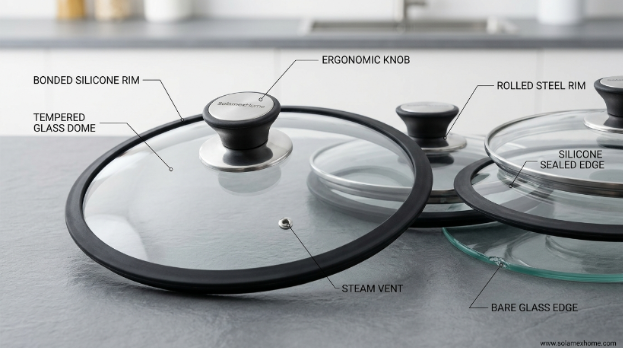
- Safe continuous use up to 500 °F; oven‑safe to 900 °F with lid on.
Note: Overheating beyond recommended temps can break down PTFE. Watch for smoke as a visual cue to lower heat.
Third‑Party Testing & Certifications
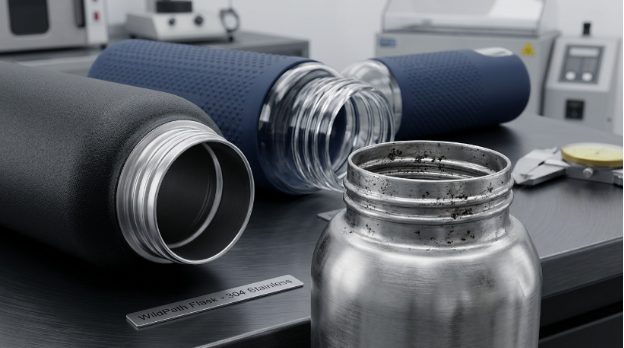
HexClad submits its products to Light Labs (an EPA‑accredited facility) and achieves “Non‑Detect” results for PFOA, PFOS, and other PFAS through repeated sampling. This demonstrates compliance with:
- FDA Title 21: Limits on extractable contaminants.
- LFGB (EU): German food‑safe certification for migration testing.
- California Prop 65: Warning thresholds for carcinogens.
Always look for these logos on packaging or product specs pages—they confirm the brand’s EEAT credibility.
Safe Use & Temperature Guidelines
Preserving both performance and safety requires mindful use:
- Preheat Properly: Never heat an empty pan on high—add oil first to moderate temperature spikes.
- Optimal Stove Temp: Medium‑high heat (~350–450 °F) covers 90% of home cooking needs.
- Oven Limits: Pans: up to 500 °F; Lids (glass): up to 900 °F.
- Smoke as Signal: Visible smoke means PTFE breakdown—reduce heat immediately.
Pro Tip: Use an infrared thermometer to verify surface temperature, especially for tasks like searing.
HexClad vs. Other Non‑Toxic Options
How does HexClad stack up against two popular “clean” cookware types?
| Feature | HexClad Hybrid | Ceramic‑Only Pans | Cast Iron |
|---|---|---|---|
| Coating Material | PFAS‑Free TerraBond™ + PTFE | 100% Ceramic (no PFAS/PTFE) | None (Seasoning) |
| Max Safe Temp | 500 °F | 600 °F | Unlimited |
| Durability | High (metal‑safe) | Medium (scratch‑prone) | Very High (if maintained) |
| Maintenance | Low | Medium | High (season, dry) |
| Weight | Medium | Light | Heavy |
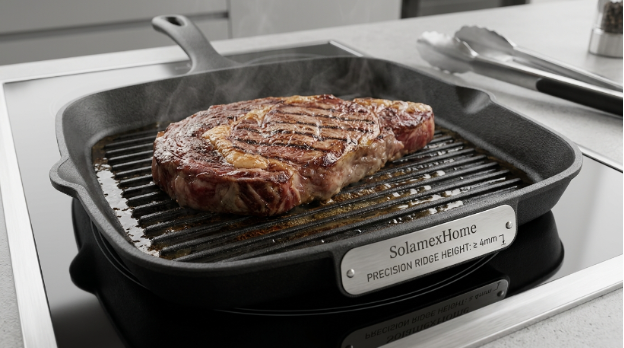
If you need ultra‑high heat cooking (e.g., wok‑style stir‑fry), cast iron shines. For everyday non‑stick with metal utensils, HexClad hits the sweet spot.
Top FAQs (People Also Ask)
1. Is HexClad PTFE‑free?
No. HexClad uses a very thin PTFE layer beneath its ceramic valleys. However, third‑party testing shows PTFE chemicals below detectable limits during normal use.
2. Is HexClad PFAS‑free?
Yes. The visible TerraBond™ ceramic coating contains zero PFAS “forever chemicals.”
3. Can I use metal utensils on HexClad?
Absolutely. The stainless steel peaks protect the non‑stick valleys. Users report using spatulas, whisks, even forks with no coating damage.
4. How long does HexClad non‑stick last?
With proper care, expect 3–5 years before performance diminishes. Regular seasoning (light oil layer) can extend lifespan.
5. Is HexClad dishwasher safe?
Yes, but hand‑washing with a soft sponge and mild detergent will maximize coating life and maintain shine.
Care, Maintenance & Longevity
To keep your HexClad performing like new:
- Hand‑wash: Warm soapy water and soft sponge.
- Avoid Abrasives: No steel wool or scouring pads.
- Dry Immediately: Prevent water spots and rust on edges.
- Store Carefully: Use pan protectors or cloth between pans.
- Season Lightly: Apply a thin oil layer every few uses to refresh non‑stick valleys.
Simple habits can double the lifespan of your hybrid cookware.
Legal & Consumer Alerts
In 2024, a class‑action suit claimed undisclosed PFAS in certain PTFE‑coated pans. HexClad’s lawyer‑reviewed “Non‑Detect” lab reports have kept it clear of major litigation—but always buy from authorized retailers and save proof of purchase.
Pro Tip: Register your product warranty online to access lifetime support and authentic replacement parts.
Conclusion & Recommendations
HexClad delivers a unique hybrid solution: the durability of stainless steel, the heat efficiency of aluminum cookware, and a PFAS‑free ceramic non‑stick surface. While it does include PTFE, rigorous third‑party testing confirms non‑detectable PFAS levels under normal cooking. Just follow the safe‑use guidelines—keep heat below 500 °F, avoid abrupt temperature shocks, and hand‑wash when possible—to enjoy non‑toxic, long‑lasting performance.
HexClad Cookware: Non-Toxic Safety Deep Dive, Certifications, and How It Compares
Is HexClad Non-Toxic? Expert Analysis & Safety Verification