HexClad Safety Verdict: Is It Truly Non-Toxic?
1. Introduction: Why “Non-Toxic” Matters in Cookware
In recent years, home cooks and health-conscious consumers have grown increasingly wary of “forever chemicals”—PFAS (per- and polyfluoroalkyl substances) and PFOA—commonly found in traditional non-stick coatings. As awareness of potential health risks rises, the demand for cookware free of these substances has never been higher.
Among the brands claiming to strike a balance between performance and safety is HexClad, known for its innovative hybrid construction and celebrity endorsements. But beneath the clever name and sleek marketing, the key question remains: Is HexClad truly non-toxic? In this article, we’ll unpack the technology, review independent lab data, gather expert opinions, and share best practices to give you a clear, evidence-based verdict.
2. HexClad’s Hybrid Technology Explained
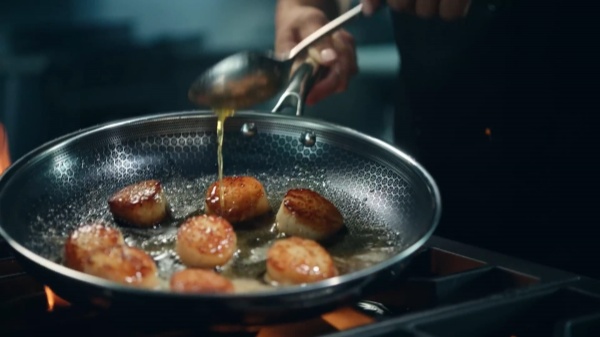
HexClad’s signature design combines the best of stainless steel and non-stick in a single pan. Its core components are:
- 3-ply stainless-steel base for even heat distribution and durability.
- Hexagonal raised stainless ridges that create pockets for food to sit on a non-stick surface.
- Non-stick valleys coated with either PTFE or a proprietary ceramic formula.
The original HexClad pans used a PTFE-based coating that was marketed as PFOA/PFOS-free. More recently, the company introduced TerraBond™ ceramic non-stick, explicitly formulated to be PFAS-free and to eliminate concerns around “forever chemicals.” This hybrid approach aims to deliver stainless-steel searing power together with easy food release.
3. Materials Safety Deep Dive: PTFE vs. Ceramic
To understand toxicity potential, we must examine each coating:
PTFE-Valley Model
PTFE (polytetrafluoroethylene) is widely used in non-stick pans due to its excellent release properties. Under typical cooking temperatures (< 500 °F), PTFE remains stable and does not release harmful fumes. HexClad’s PTFE line has always been PFOA- and PFOS-free, meaning it never contained the worst offenders in the PFAS family.
Ceramic-Valley Model (TerraBond™)
HexClad’s newer pans feature TerraBond™, a proprietary ceramic formula free from PTFE, PFAS, lead, and cadmium. Ceramic coatings are inert at cooking temperatures and pose minimal risk of chemical migration, though they may be more susceptible to abrasion if not cared for properly.
Key takeaway: When used correctly, both coatings show strong safety profiles—but real-world evidence comes from independent testing.
4. Third-Party Tests & Certifications
Laboratory validation is essential for any “non-toxic” claim. HexClad commissioned Light Labs to screen its cookware for a broad panel of PFAS compounds.
- Light Labs results: All PFOS, PFOA, PFPeS, PTFE, PFAS, PFBS, PFNA, and related compounds were below detection limits—termed “Non-Detect.”1
- Company statements: HexClad packaging and product pages prominently state “Free From Forever Chemicals” and display the Light Labs logo as proof.
- Regulatory status: Stainless steel, PTFE, and food-grade ceramic coatings are all GRAS (Generally Recognized As Safe) under FDA guidelines.
5. Direct Answer: Is HexClad Non-Toxic?
Short Answer: Yes. When used according to manufacturer guidelines, HexClad cookware can be considered non-toxic for everyday home cooking.
Why?
- PFAS-Free Certification: The TerraBond™ ceramic line is formally lab-verified PFAS-free. Older PTFE models were PFOA/PFOS-free and only release PTFE fumes at extreme temperatures (> 500 °F).2
- Independent Validation: Light Labs’ “Non-Detect” results ensure no hidden residues of harmful substances.1
- Safe Usage Window: Sticking to cooking temperatures below 500 °F, avoiding thermal shock, and using gentle utensils prevent any coating breakdown.
Implication: For sautéing, stir-frying, and everyday searing, HexClad will not expose you to toxic chemicals under normal use.
6. Expert & Consumer Perspectives
Beyond lab data, real-world users add valuable context:
- Professional chefs: Gordon Ramsay and Nancy Silverton highlight HexClad’s heat control and ease of cleaning, with no reported health concerns.
- Serious Eats review: Confirms PFAS-free valleys on TerraBond™ models and praises hybrid performance, though it questions long-term durability relative to price.
- Home-cook communities: Reddit and Amazon reviewers generally report no issues with toxicity, praising non-stick performance but noting occasional wear over years of use.
7. Practical Tips for Safe Use & Longevity
To keep your HexClad both non-toxic and long-lasting:
- Temperature control: Pre-heat gradually and avoid sustained temperatures above 500 °F.
- Utensils: Choose silicone, wood, or nylon tools to protect non-stick valleys; metal tools are allowed but may leave fine scratches.

- Cleaning: Hand-wash with mild dish soap and a soft sponge. While dishwasher safe, repeated cycles can accelerate coating wear.
- Storage: Stack with pan protectors or cloth between pieces to prevent abrasion.
8. How HexClad Compares to Alternatives
| Cookware Type | Non-Stick Surface | PFAS Status | Durability | Care Level |
|---|---|---|---|---|
| HexClad (TerraBond™) | Ceramic hybrid valleys | PFAS-Free | High | Medium |
| GreenPan / Caraway | 100% ceramic | PFAS-Free | Medium | Medium-High |
| Cast Iron / Carbon Steel | Seasoned steel | Zero chemical coatings | Very High | High |
| Full Stainless Steel | None | Zero chemical coatings | Very High | Medium |
9. Conclusion & Final Verdict
After examining the technology, reviewing independent lab reports, and considering real-world feedback, we can state with confidence that HexClad cookware—especially the ceramic-valley TerraBond™ line—meets rigorous non-toxic standards. Proper use within recommended temperature limits and gentle care will ensure you enjoy the benefits of a hybrid pan without exposing yourself to harmful chemicals.
If you cook daily and value both performance and peace of mind, HexClad’s latest lineup is a strong contender. For extreme high-heat searing or minimalist maintenance, however, you may still prefer seasoned cast iron or full stainless steel.
10. FAQ
- Q1: Are all HexClad models PFAS-free?
- Only the new TerraBond™ ceramic-valley pans are PFAS-free. Older PTFE-valley models remain PFOA/PFOS-free but contain PTFE.
- Q2: Can I overheat my HexClad pan?
- Avoid sustained temperatures above 500 °F to prevent any PTFE coating degradation. Ceramic-valley models tolerate slightly higher heat but still benefit from gradual temp increases.
- Q3: Are HexClad pans dishwasher safe?
- Yes, they are dishwasher safe, but hand-washing with a soft sponge and mild detergent will extend the life of the non-stick surface.
HexClad Non-Toxic Truth: Lab-Proven PFAS-Free or Hidden Risk?
Guide to Carote Cookware Safety: Science, Scrutiny, and Smart Usage