How Big of a Stockpot Do I Need? A Complete Sizing Guide
I. Introduction
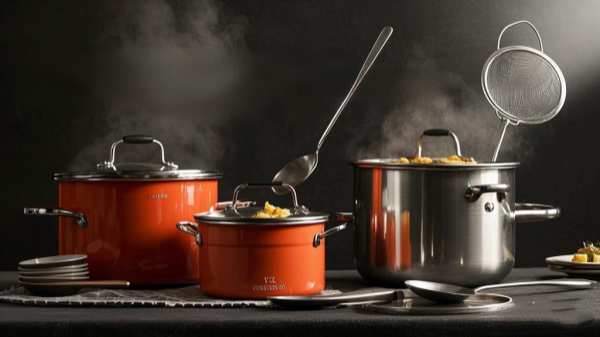
A stockpot is one of the most essential tools in any kitchen. Whether you're simmering a hearty beef broth, boiling pasta for a family dinner, or preparing a large batch of soup, the right stockpot can make all the difference in your cooking experience. Its versatility extends beyond simple boiling – stockpots are perfect for steaming, canning, and even making stews.
In this comprehensive guide, we will explore how big of a stockpot you really need by examining key factors such as household size, types of dishes, stove compatibility, and storage considerations. By the end of this article, you'll be equipped with all the information necessary to choose a stockpot that perfectly balances efficiency, quality, and practicality.
II. Core Factors to Determine Stockpot Size
A. Household Size & Serving Needs
Consider the number of people you typically cook for and the volume of ingredients needed. A helpful formula is to allocate about 0.5–1 quart per person plus additional space for bulky ingredients.
- 2–4 people: An 7-quart stockpot is ideal for preparing a whole chicken, making soups, and simmering broths.
- 5–8 people: A 10–12 quart pot is better suited for larger family meals, robust stews, and pasta dishes where ingredients need ample room.
- Large gatherings or batch cooking: For parties, meal prepping, or catering, a 12–20 quart pot is recommended to handle high-volume recipes with ease.
- Commercial kitchens and wholesale needs: For retailers or chain restaurants with high-volume demands, even larger stockpots (20–30 quarts) may be necessary to ensure efficiency and consistent results.
By considering these different scenarios, you can choose a stockpot capacity that perfectly aligns with your household size, cooking habits, and even commercial requirements.
Pro tip: Always account for leftovers or meal prepping when choosing your pot.
B. Types of Dishes & Ingredients
The recipes you prepare will also dictate the ideal stockpot size:
- Liquid-heavy recipes: Broths and soups require extra height to prevent spills.
- Solid ingredients: Large cuts of poultry or meat demand sufficient width and depth for complete submersion.
- Expanding foods: Pasta and grains need extra space to avoid sticking and overflow.
- Specialty uses: Steaming works best in taller pots, while frying may benefit from a wider base.
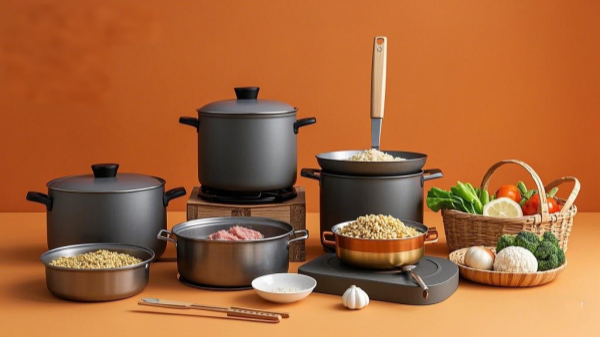
C. Stove and Burner Compatibility
Your stockpot should match your stove’s burner size to ensure even heating. Also, consider the material—if you use an induction stove, make sure your pot’s base is compatible. Stability is key; avoid oversized pots on small burners to prevent safety issues.
D. Storage and Handling
Practical aspects such as cabinet or rack space are important. Larger pots may be ideal for cooking in bulk, but they can be cumbersome if your storage is limited. Additionally, consider the weight of the pot when full—ensuring that you can safely handle and move it is crucial.
Stockpot Size Recommendation Tool
III. The "Two-Thirds Rule" for Optimal Cooking
For optimal performance, fill your stockpot only up to two-thirds of its capacity. This simple rule helps:
- Prevent spills during vigorous boiling.
- Provide ample space for stirring and ingredient expansion.
- Minimize excessive evaporation and ensure even cooking.
For example, in an 8-quart pot, aim for 5–6 quarts of combined liquid and ingredients.
IV. Recommended Sizes for Common Scenarios
| Capacity (Quarts) | Ideal For | Example Uses |
|---|---|---|
| 4–6 Quarts | 1–2 People | Small batches of soup, boiling eggs |
| 8–10 Quarts | 3–6 People | Whole chicken, chili, pasta |
| 12–16 Quarts | Large Families/Meal Prep | Bone broth, seafood boils |
| 18–20 Quarts | Entertaining | Parties, canning, catering |
By evaluating your current needs and anticipating future requirements, you can select the right capacity that will serve you well for years to come.
V. Pro Tips & Pitfalls to Avoid
- Too Small: Crowded ingredients lead to uneven cooking and frequent refills.
- Too Large: Wasted energy, diluted flavors, and awkward storage can be issues.
- Multipurpose Hack: Use a steamer basket or insert for smaller batches in a larger pot.
- Material Matters: Opt for thick-bottomed pots for superior heat retention, and choose non-reactive stainless steel for acidic recipes.
VI. Frequently Asked Questions (FAQ)
Can I substitute a Dutch oven for a stockpot?
While both Dutch ovens and stockpots are versatile, they differ in design and function. Dutch ovens, often made of cast iron, excel at slow-cooking and braising due to their heat retention. In contrast, stockpots are optimized for boiling large volumes of liquid. Your choice should depend on your specific cooking needs.
What if I cook for varying group sizes?
If your cooking needs vary, consider owning two sizes of stockpots—such as an 8-quart for everyday meals and a 12-quart for larger gatherings or meal prepping. This dual approach ensures flexibility and consistent results.
How do I clean and store large stockpots?
Many high-quality stockpots are dishwasher safe; however, hand washing with mild dish soap is recommended to preserve the finish. For storage, consider vertical stacking or using dedicated pot organizers to maximize cabinet space.
How does the shape of a stockpot affect its performance?
The shape of a stockpot influences heat distribution and ease of stirring. A short, wide pot promotes even heating and simpler stirring, whereas a tall, narrow pot can offer more consistent temperature control but might be less convenient for mixing ingredients.
Which material is best for durability and even heat distribution?
Stainless steel with an aluminum or copper core is widely considered the best option. It combines durability, excellent heat distribution, and non-reactivity with acidic foods, making it ideal for a variety of cooking applications.
VII. Conclusion
In summary, choosing the right stockpot involves balancing several factors including household size, the types of dishes you cook, stove compatibility, and storage considerations. The "sweet spot" is determined by your specific needs—whether that’s an 8-quart pot for everyday family meals or a larger 12-quart pot for meal prep and gatherings.
By following the Two-Thirds Rule and carefully evaluating your cooking habits, you can select a stockpot that not only meets your capacity requirements but also offers superior performance and longevity. For retailers or chain restaurants with wholesale cookware needs, opting for larger stockpots (20+ quarts) is an excellent choice—brands like Solamex specialize in high-quality, durable cookware designed for high-volume cooking.
Ultimately, the best stockpot is the one that fits your unique culinary requirements and complements your kitchen space. Whether you’re a home cook or a professional chef, investing in a versatile, well-constructed pot will enhance your cooking experience and deliver delicious results every time.
We hope this guide has provided valuable insights into choosing the perfect stockpot. Please share your thoughts, questions, or personal experiences in the comments below—your feedback helps us create content that is both informative and engaging!
Outdoor Frying Pans: Lightweight Aluminum Cooking for Camping and Beyond
Choosing the Right Stockpot for You: A Comprehensive Guide to Capacity, Material, and Design