How Do I Know If My Pan Is Oven Safe? A Definitive Guide to Material Checks, Label Clues, and Safe Testing
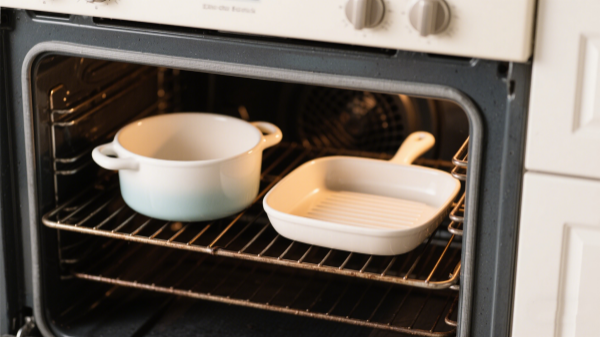
I. Introduction: The Critical Question Every Cook Needs to Answer
Misusing non-oven-safe pans can lead to coating degradation, toxic fumes, or even kitchen disasters—for example, handles melting or glass dishes shattering under thermal stress.
Oven-safe cookware unlocks seamless stovetop-to-oven recipes, such as searing a steak on the hob then roasting it for perfect doneness without swapping pans. In this guide, you’ll learn a step-by-step framework to assess your cookware’s oven-safety, plus pro tips for every kitchen scenario.
II. Step 1: Check Manufacturer Guidelines First
Read the Label or Manual
Look for explicit oven-safe ratings or warnings—labels often state “Oven-safe up to 500°F” or “Not recommended for oven use.” Even oven-safe materials can have handle restrictions: GreenPan notes that Phenolic (plastic) handles are safe only to 350°F, silicone-insert handles to 375°F, and stainless steel handles to 600°F.
Case Study
A GreenPan Valencia Pro Ceramic skillet is certified oven-safe up to 600°F, while a popular T-fal nonstick pan warns against oven use above 350°F.
Brand-Specific Resources
Many manufacturers publish online oven-safety charts— Care & Use guide confirms their D3 Stainless collection is oven and broiler safe up to 600°F. Always check your brand’s website or PDF manual for precise limits.
Whether you’re an existing owner double-checking your pan’s limits or a prospective buyer comparing models before clicking “Add to Cart,” many cooks ask the same question: is this brand oven-safe?
Below is a concise overview of popular cookware lines and their oven-safe ratings:
-
Caraway: All Caraway ceramic-coated pans and skillets are rated oven-safe up to 550°F, with both their core aluminum sets and stainless-steel handle options tested to perform flawlessly at that temperature
-
Calphalon: Calphalon’s hard-anodized nonstick lines (Premier, Select) handle up to 450°F, while their Signature™ nonstick collection and nonstick Dutch ovens extend oven use to 500°F (though broiling is not recommended on nonstick)
-
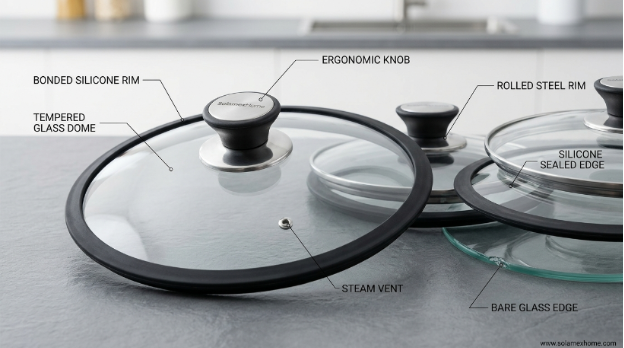
GreenPan: Most GreenPan collections with stainless-steel or hard-anodized bodies are oven-safe to 600°F; aluminum-body lines (e.g., Rio, Dover) are limited to 320–350°F; glass lids typically safe to 425°F
-
Our Place: The iconic Always Pan® 2.0 (and Mini Always Pan) are oven-safe up to 450°F, thanks to their 100% recycled aluminum bodies and toxin-free ceramic coating
-
T-fal: All T-fal pans are at least oven-safe to 350°F (plastic-handle models), 400°F with silicone-wrapped handles, and up to 500°F for fully metal handles or stainless-steel collections; tempered-glass lids safe to 350°F
-
All-Clad: All All-Clad bonded stainless-steel collections and ovenware are rated to 600°F under normal oven and broiler use; their nonstick and ceramic lines go to 500°F (lids up to 350°F)
-
Carote: According to user testing and product design, Carote’s granite-coated, detachable-handle pans feature stainless-steel bases that withstand oven use—many home cooks report using them without issue for roasting and baking, though explicit max-temp specs vary by set and model thekitchn.com.
Whether you’re verifying your current cookware or scouting your next purchase, you might also explore Swiflon’s Cookware lineup—engineered for professional use, rigorously tested oven-safe, and offered at significant cost savings compared to many retail brands.
III. Step 2: Decode Material Science (The Science of Heat Resistance)
Below is a quick reference to common oven-safe materials, their typical temperature thresholds, and key characteristics:
| Material | Max Oven Temp | Pros | Cons |
|---|---|---|---|
| Cast Iron | 500°F (260°C) | Excellent heat retention; naturally nonstick when seasoned | Heavy; prone to rust without seasoning |
| Stainless Steel (tri-ply) | 600°F (315°C) | Even heat distribution; durable; PFOA/PTFE-free | Can stick if not preheated properly |
| Cast Aluminum Ceramic-Coated | 600°F (315°C) | PFAS-free; easy cleanup; scratch-resistant (diamond-infused) | Coating can wear over time; avoid metal utensils |
| Carbon Steel | 1200°F (650°C) | Lightweight; superb searing; high heat tolerance | Requires seasoning; rust risk |
| Enameled Cast Iron | 500°F (260°C) | Low-maintenance; vibrant designs; no seasoning | Enamel can crack with thermal shock |
IV. Step 3: Inspect Design Features for Hidden Risks
Handle Construction
Metal handles (e.g., riveted stainless steel) tolerate high heat and are often rated to 600°F. Composite or silicone-wrapped handles usually max out around 350–400°F.
Coatings and Linings
Enameled surfaces must be chip-free—exposed cast iron will rust—and avoid sudden temperature changes that can crack the enamel. Nonstick coatings like PTFE degrade above 500°F, releasing polymer fume fever–causing fumes.
Base and Body Design
Magnetic bases (stainless steel, cast iron) are induction-compatible and usually oven-safe; glued or bonded parts may limit oven use.
V. Step 4: Test Safely (When Guidelines Are Unclear)
The “Cold Oven” Test
Place the pan in a cold oven set to 350°F and let the oven preheat with it inside—watch for warping, melting, or odd smells. Skip this with unlabeled glass/ceramic dishes to avoid shattering.
Visual and Sensory Checks
After heating, inspect for uneven discoloration (material stress) and ensure no plastic or glue parts have softened or melted.
VI. Common Myths Debunked (Avoid Costly Mistakes)
Myth 1: All Metal Pans Are Oven-Safe
Reality: Uncoated aluminum warps at high heat and reacts with acidic foods, leaching metals into dishes.
Myth 2: Glass Pans Are Always Oven-Safe
Reality: Only borosilicate glass (e.g., vintage PYREX) handles thermal shock; soda-lime glass is safe only to ~450°F and must be preheated.
Myth 3: Nonstick Pans Can Go in the Oven
Reality: Traditional PTFE coatings degrade above 500°F, releasing harmful fumes.
VII. Scenario-Based Recommendations
Everyday Cooking
Go with stainless steel or cast iron for versatile, reliable cookware that transitions stovetop-to-oven effortlessly.
Health-Conscious Cooks
Choose PFAS-free ceramic-coated pans (e.g., GreenPan) rated for 500°F+ oven use and avoid traditional nonstick in the oven to reduce chemical exposure.
Baking and Roasting
Enameled cast iron Dutch ovens (e.g., Le Creuset up to 500°F) or borosilicate glass dishes (preheated oven-safe to 450°F) excel for even heat and moisture retention.
Commercial Kitchens
Wholesale stainless steel pans (e.g., Solamex) are FDA-certified and oven-safe up to 600°F at bulk prices—ideal for high-volume pros.
VIII. Safety First: Essential Do’s and Don’ts
Do:
- Always preheat pans with the oven—never place a hot pan into a cold oven or vice versa.
- Use oven mitts rated to your cookware’s max temperature (many mitts protect to 500°F).
Don’t:
- Ignore handle warnings—silicone handles often max at 350°F, not broil mode.
- Clean oven-safe pans with harsh chemicals or abrasive pads that can damage coatings.
IX. Conclusion: Cook with Confidence, Not Caution
Recap: Verify labels, understand material limits, inspect design, and test wisely to ensure your cookware is truly oven-safe.
Final Tip: Invest in a versatile Cast Alum Ceramic Coating fry pans are oven-safe to 600°F—to simplify countless recipes.
Call to Action: Try the cold-oven test with your favorite pan today—your kitchen (and peace of mind) will thank you.
How Big Is a 8 Quart Pot? A Complete Guide to Dimensions, Uses & Selection
Oven-Safe Pots & Pans: Your 2025 Guide to Effortless Stovetop-to-Oven Cooking