How Many Pots and Pans Do You Need? The 5-Piece Rule for Every Kitchen (2025 Guide)
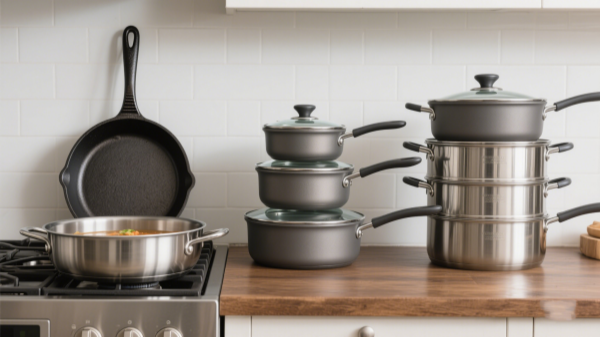
Choosing the right number of pots and pans boils down to three pillars: who you’re cooking for, what dishes you cook most, and the space you have. For most households, a core 5-piece set—small and large skillets, a 3-quart saucepan, a 6-quart stockpot, and a 4-quart Dutch oven—covers about 90% of meals. From there, specialty items like sheet pans, nesting sets, or a wok can be added as your culinary style demands. This guide walks you step-by-step: assessing your needs, pinpointing essentials, exploring space-saving options, and aligning your choices with quality, maintenance, and budget considerations.
Introduction
Owning too few pots and pans can slow you down, while owning too many leads to cluttered cabinets and wasted money. A well-curated cookware set of 4–6 multipurpose pieces satisfies most home cooks, letting you tackle eggs, sauces, big-batch soups, and braises without excess. In this article, we’ll explore how to tailor your cookware collection to your household size, cooking style, and storage constraints, then recommend both essentials and specialty upgrades.
II. Assessing Your Cooking Profile
Before buying or decluttering, focus on three factors: household size & meal frequency, cooking techniques & cuisine types, and storage & cooktop compatibility. Understanding these will prevent impulse purchases and ensure every piece in your kitchen earns its keep .
A. Household Size & Meal Frequency
For solo cooks or couples, smaller pieces—like a 1.5–3 quart saucepan—heat quickly for sauces, grains, and reheating leftovers, while an 8″ skillet handles egg dishes and quick sautés. This compact duo covers over 70% of routine tasks without monopolizing cabinet space.
Conversely, families and entertaining hosts often rely on a 7–9 quart stockpot for soups, stews, pasta, and batch-cooking meal prep. Pairing that with a mid-sized (3–4 quart) saucepan allows simultaneous stovetop work—essential when juggling sauces, grains, and side dishes.
B. Cooking Techniques & Cuisine Types
If your repertoire includes braises, roasts, or bread baking, a 4–6 quart Dutch oven is indispensable for its oven-proof construction and even heat retention. Its tight lid locks in moisture, producing tender meats and flavorful one-pot meals.
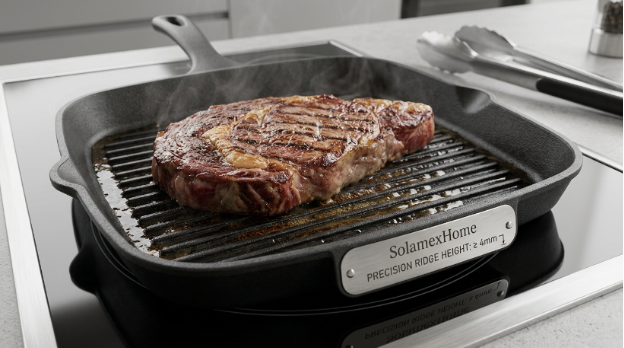
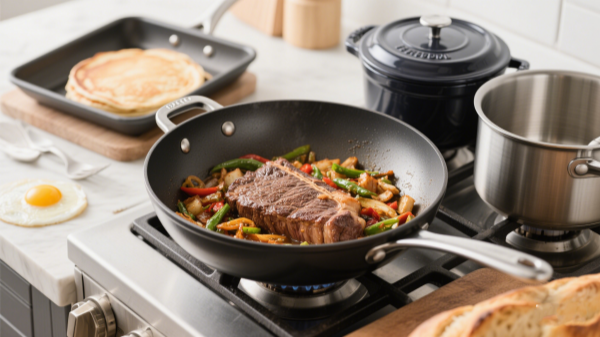
A wide-bed wok or deep fry pan is ideal for high-heat stir-fries, allowing rapid searing and easy tossing of ingredients without spills. For delicate tasks—eggs, crepes, pancakes—a nonstick skillet ensures perfect release and effortless cleanup. Meanwhile, stainless steel pans excel at building fond for pan sauces, searing steaks, and deglazing with wine or stock.
C. Storage Constraints & Cooktop Compatibility
In tight kitchens, nesting cookware sets reclaim up to 50% of cabinet volume by stacking pieces within one another. Systems with removable handles—such as T-fal’s Ingenio—compress even further and double as oven-safe bakeware when handles are removed.
If you cook on induction, verify that each pan has a magnetic base—cast iron, enameled cast iron, or induction-grade stainless steel—so it responds to your cooktop’s electromagnetic field. Pure aluminum or non-induction steel without a magnetic layer simply won’t generate heat.
III. Essential Cookware Pieces
Armed with your cooking profile, build a core 5-piece set that handles about 90% of recipes. Start here, then layer in specialty items as needed.
| Cookware | Size | Key Uses |
|---|---|---|
| Small Skillet | 8″ | Eggs, pancakes, single-serve sautés |
| Large Skillet | 10″–12″ | Searing, stir-fries, browning |
| Saucepan | 2–3 Quarts | Sauces, grains, reheating |
| Stockpot | 6–8 Quarts | Soups, pasta, stocks |
| Dutch Oven | 4–6 Quarts | Braising, bread baking, one-pot meals |
IV. Specialized & Space-Saving Pieces
Once you’ve mastered the core set, consider these targeted additions to expand your repertoire without causing clutter.
A. Sheet Pans & Baking Dishes
A heavy-gauge sheet pan is vital for roasting vegetables, baking cookies, and sheet-pan dinners—delivering even heat distribution and crisp results.
B. Nesting & Modular Systems
Nesting sets (e.g., Magma’s 10-piece induction-compatible line) stack neatly within each other, freeing cabinet height while retaining full functionality. Modular systems with removable handles let you convert skillets to bakeware and compress storage further.
C. Specialty Pans
For authentic stir-fries, add a carbon-steel wok designed for high-heat tossing. A saucier (round-bottom saucepan) is ideal for delicate sauces and risottos, thanks to its curved sides that facilitate whisking.
V. Quality, Maintenance & Budget
Your cookware’s material determines durability, performance, and price. Match materials to your priorities and care habits.
A. Material Pros & Cons
Cast Aluminum Nonstick pans offer effortless release and cleanup but typically last 3–5 years under moderate use. Avoid metal utensils and high heat to preserve the coating.
Stainless steel resists scratches and high temperatures, can handle metal tools, and lasts decades if maintained properly. Look for tri-ply or fully clad constructions for even heat.
Cast iron and enameled cast iron excel at heat retention and develop a natural nonstick patina with seasoning; they’re virtually indestructible if rust is prevented.
B. Care & Maintenance
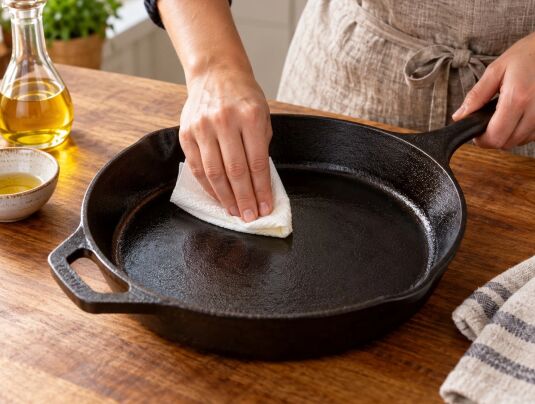
Extend nonstick life by using silicone or wooden tools and cleaning gently with soft sponges. Immediately deglaze stainless steel pans after cooking to lift fond and make cleanup easier. Season cast iron regularly and store in a dry place to avoid rust.
C. Budget & Buying Strategy
Invest first in the core 5-piece kit, then add specialty pieces only when you have a clear use case. Watch for seasonal sales—Black Friday in November and spring promotions in May—to score high-end brands at significant discounts .
VI. Conclusion & Recommendations
In summary, assess who you cook for, what you cook most, and where you store your pans. A carefully chosen 4–6 piece core set meets 90% of needs, with nesting and specialty items filling the gaps. Audit your collection, donate duplicates, and purchase only what aligns with your cooking habits and kitchen space.
Next steps: Review your cabinets today—keep the pieces you use weekly, recycle or donate those gathering dust, and fill any real gaps with targeted, quality purchases.
If you’re a retailer or operate a chain restaurant and need pans and pots in bulk, Solamex is your go-to partner for standout quality at competitive prices. We offer a comprehensive range of cookware in every size, from skillets and saucepans to stockpots and specialty pieces. Our bulk ordering program ensures you get consistent performance and durability across your entire kitchen lineup. Contact Solamex today to learn how we can tailor a cookware solution that fits your business needs.
How to Identify Cast Iron Skillets: Master the Basics of Material, Design & Brand Clues
How Many Pots and Pans Do You Need? Kitchen Cookware Guide for Every Lifestyle