How Much Does a Frying Pan Weigh in kg? Choosing the Right Weight for Your Kitchen
Have you ever struggled to flip a pancake because your frying pan felt too heavy, or noticed that a lightweight pan wobbled precariously on your stove? You're not alone! This guide explains why the weight of your frying pan matters and how it impacts everything from ergonomics and cooking efficiency to stove compatibility and storage solutions.
Key Factors Influencing Frying Pan Weight
The weight of a frying pan can vary dramatically based on several key factors. Understanding these is essential to making an informed decision:
Material
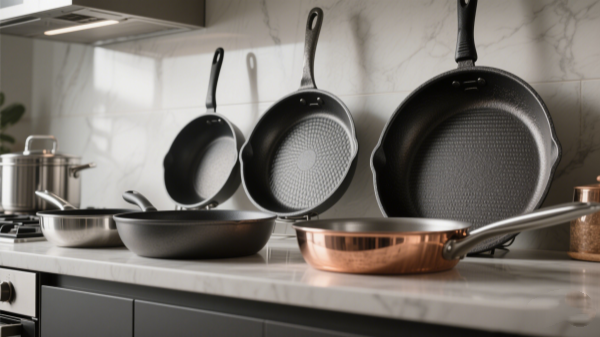
- Heavy Materials: Cast iron pans typically weigh between 1.5–3 kg, while carbon steel models fall in the range of 1.2–2.5 kg.
- Medium-Weight Materials: Stainless steel pans usually weigh around 0.8–2 kg, and copper-core pans weigh approximately 1–1.8 kg.
- Lightweight Materials: Aluminum pans, including those with non-stick coatings and ceramic finishes, often range from 0.4–1.5 kg.
Size & Design
The pan’s diameter, depth, and handle design further impact its overall weight. For instance, a 20cm pan can weigh significantly less than a 30cm variant; compared to ordinary depth frying pans, deep frying pans are obviously much heavier. Additionally, consider the handle type—solid handles offer durability and stability, whereas hollow or dual handles might reduce weight but sometimes at the expense of balance.
Additional Features
Modern pans may include features such as non-stick coatings and induction-compatible magnetic bases, which can add a minimal amount of weight but considerably increase functionality and cooking efficiency.
Typical Weight Ranges for Common Frying Pan Types
Different frying pan types are designed to serve various cooking styles and requirements. Here is a breakdown of typical weight ranges along with notable examples:
Cast Iron Frying Pans
- 20cm: Approximately 1.5 kg
- 26cm: Around 2.2–2.3 kg (e.g., Lodge 10.25-inch cast iron pan weighs roughly 2.3 kg)
- 30cm: Typically up to 3 kg
Aluminum & Non-Stick Pans
- 24cm non-stick aluminum: Around 0.8 kg
- 30cm non-stick pan: About 1.2 kg (e.g., T-fal 12-inch non-stick pan weighs around 1.1 kg)
Stainless Steel Pans
- 24cm tri-ply stainless steel: Roughly 1.3 kg
- 30cm multi-ply: Approximately 1.8 kg (e.g., All-Clad 12-inch stainless steel pan weighs around 1.7 kg)
Specialty Pans
- Lightweight camping pans (20cm aluminum): Around 0.4 kg
- Copper-core pans (24cm): Approximately 1.5 kg
At Solamexhome, we can customize frying pans of various qualities to suit every customer's unique needs. If you're considering large-scale purchases of frying pans made from different materials, available in a range of prices, weights, and sizes, as well as other kitchen cookware wholesale, choosing Solamexhome is undoubtedly your best option.
How Weight Affects Your Cooking Experience
The weight of your frying pan does more than just determine its heft—it directly influences your daily cooking experience:
Ergonomics & Comfort
A heavier pan provides excellent heat retention and is ideal for searing or slow cooking. However, prolonged use might lead to arm fatigue, especially when flipping or stirring food frequently. In contrast, lighter pans offer agility and are perfect for quick stir-frying, though they might lack stability on high heats.
Heat Distribution & Retention
Pans made with heavier materials like cast iron take longer to heat up but provide superb heat retention, which is excellent for even cooking. Conversely, lighter materials such as aluminum heat up quickly, though they may lose heat faster once removed from the stove.
Stove Compatibility
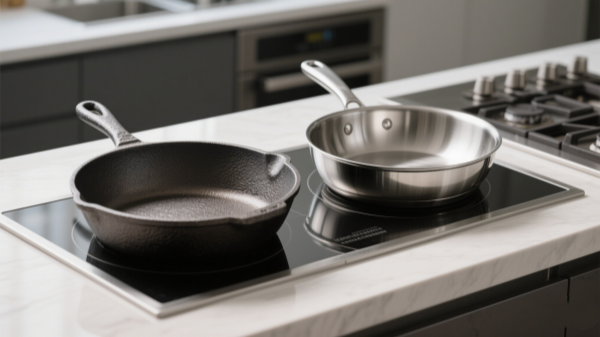
Different stove types have different requirements. For instance, induction stoves need pans with magnetic bases, which might slightly add to the overall weight. On the other hand, gas stoves benefit from heavier pans that remain stable during the cooking process, reducing the risk of accidental spills.
Storage & Portability
When it comes to storage, stackable lightweight pans are easier to handle in small kitchens. For those who enjoy outdoor cooking, such as camping, the ideal outdoor frying pans would weigh less than 1 kg for effortless transportation.
How to Choose the Right Weight for Your Needs
Selecting a frying pan isn’t solely about the weight—it should align with your cooking style and physical comfort. Consider the following aspects:
Cooking Style
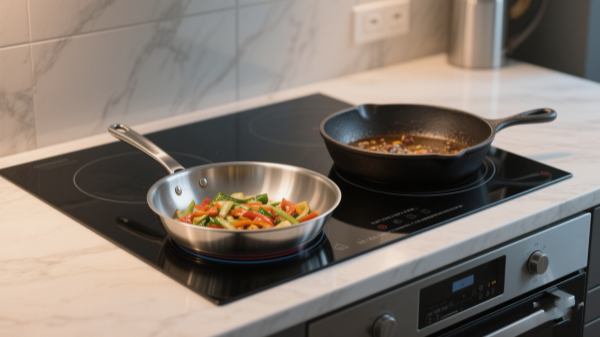
If your recipes involve a lot of flipping and quick stir-fries, a lighter pan in the range of 0.5–1.2 kg (often made from aluminum or featuring a non-stick coating) may prove ideal. Meanwhile, for dishes requiring long, slow cooking methods such as braising or searing, a heavier pan weighing between 1.5–2.5 kg (commonly cast iron or stainless steel) can deliver the consistent performance you need.
Physical Strength & Comfort
For individuals with wrist issues or those who find heavy cookware challenging, a lightweight option is a must. Professional chefs might lean towards heavier pans because the durability and even heat distribution can justify the extra weight over long periods of use.
Stove Type & Kitchen Setup
Your cooking environment also plays a key role. For instance, if you rely on an induction stove, you’ll need to ensure that the pan combines the right weight with an appropriate magnetic base. Meanwhile, in smaller kitchens, lighter pans not only ease handling but also help maximize storage space.
Frequently Asked Questions (FAQ)
Is a heavier frying pan better?
No. The best pan for you depends on your cooking style and needs. While heavier pans offer better heat retention and are ideal for searing, lighter pans are more agile and easier to maneuver, especially when frequent flipping or stirring is involved.
Does the handle’s weight matter?
Yes. An unbalanced handle—especially when paired with a heavy pan—can result in discomfort or wrist strain over time. It’s important that the handle provides a firm, proportional grip to maintain balance.
How much does a commercial-grade frying pan weigh?
Commercial-grade 30cm frying pans are typically in the range of 2–3 kg, as they are designed for long-lasting durability and efficient heat distribution.
Can the weight affect cleaning?
Indeed. Heavier pans, particularly when filled with water or food remnants, can be challenging to maneuver when cleaning. Selecting pans with non-stick coatings not only eases the cleaning process but also reduces the overall burden of care.
Conclusion & Tips for Choosing Your Ideal Pan
In summary, choosing the right frying pan weight is not a matter of simply picking the heaviest or lightest option available—it’s about aligning the pan’s characteristics with your cooking habits, physical comfort, and overall kitchen setup. Understanding the various factors such as material, size, design, and additional features can empower you to make an informed and confident decision.
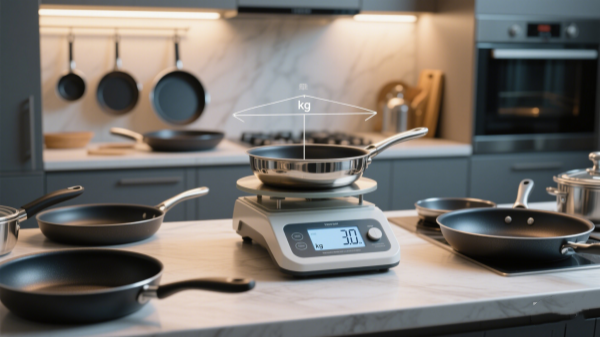
We encourage you to assess your cooking style and experiment with different pan weights. If you’re unsure, measure the weight of your current pans using a kitchen scale to establish a baseline. This small step can significantly influence your future choices and enhance your overall cooking experience.
Remember, the right pan is the one that not only performs well in your recipes but also feels comfortable and safe to use every day.
Quick Weight Comparison Table
| Pan Type | 20cm (kg) | 24cm (kg) | 30cm (kg) |
|---|---|---|---|
| Cast Iron | 1.5 | 2.0 | 3.0 |
| Aluminum Non-Stick | 0.6 | 0.8 | 1.2 |
| Stainless Steel | 1.0 | 1.3 | 1.8 |
| Copper-Core | 1.2 | 1.5 | 2.2 |
This table allows for a quick visual reference to understand the differences in weight based on pan type and size. It’s designed to help you compare your options easily, no matter which device you’re using.
How to Choose an Oven-Safe Frying Pan (Materials, Temp Ratings, and Do's/Don'ts)
How to Measure Fry Pan Size and Its Impact on Cooking