How to Choose an Oven-Safe Frying Pan (Materials, Temp Ratings, and Do's/Don'ts)
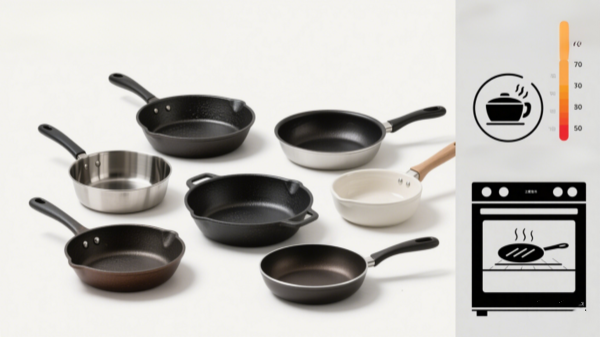
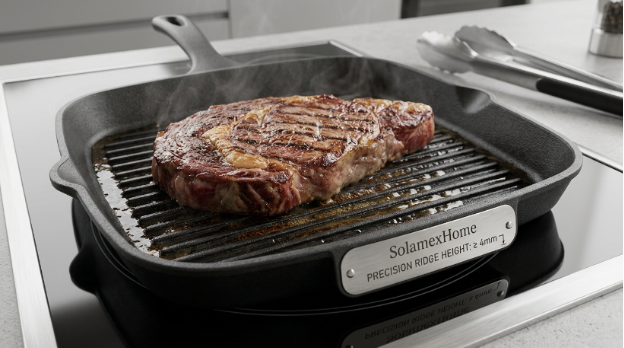
Imagine you're about to finish searing that perfect steak in the oven, only to wonder: "Is this frying pan safe to use at 200°C?" Knowing which pans can handle oven heat is essential—not just for achieving delicious meals, but also for ensuring kitchen safety. This guide will help you understand why oven-safe frying pans matter and how to choose the right one based on material composition, handle design, and coating limits.
Key Factors Determining Oven Safety
The oven safety of a frying pan depends on several critical factors. Understanding these will help you make an informed decision when selecting your cookware:
Material Composition
- Metals: Cast iron, stainless steel, and cast aluminum are popular materials that vary in their heat resistance. For example, while aluminum melts at around 660°C, the performance of your pan in the oven depends on more than just the melting point.
- Coated Materials: Non-stick and ceramic coatings have specific temperature limits. For instance, non-stick coatings (e.g., PTFE) typically degrade at temperatures above 260°C, making them less ideal for very high heat applications.
Handle & Hardware
- Heat-resistant handles: Handles made from metal or riveted stainless steel are usually oven-safe, whereas plastic, wood, or silicone handles might not withstand high temperatures.
- Adhesives and Glue: Some pans use glue or adhesive to attach handles, and these components can melt in the oven, posing safety risks.
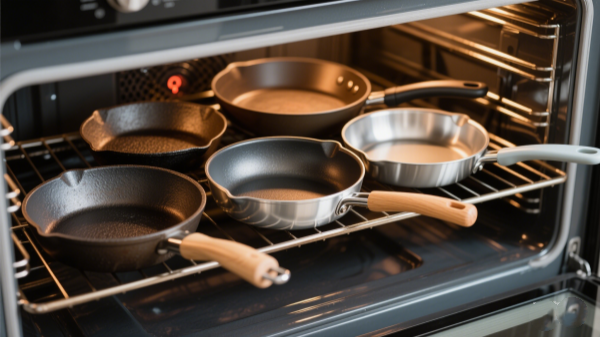
Coatings & Layers
- Non-stick Coatings: Pans with PTFE or ceramic coatings have specific maximum temperature ratings, often around 260°C or lower.
- Enameled Surfaces: Enameled cast iron, for instance, might have different safe ranges based on the quality of the enamel layer.
Manufacturer Guidelines
Always consult the manufacturer’s label or user manual. Many products will have a clear statement such as "Oven safe up to 450°F (232°C)", which indicates the product’s tested safe range.
Oven Safety by Frying Pan Material
Different materials offer varying degrees of oven safety. Let’s explore the details:
Universally Oven-Safe Materials
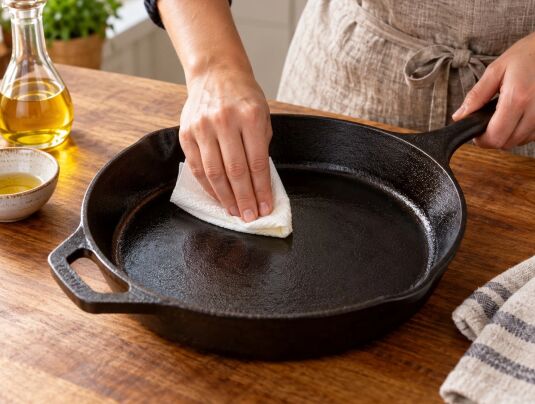
- Cast Iron: These pans are renowned for their durability and can generally handle temperatures well above 500°C. They have no coating limitations, though extreme heat may affect the seasoning.
- Stainless Steel: Most stainless steel pans are oven-safe between 260°C and 480°C. Models with solid metal handles are typically safe at higher temperatures, while those with plastic or wood handles require caution.
Example: The Lodge Cast Iron Skillet is a classic example of an oven-safe pan that can be used indefinitely when properly maintained. Similarly, the All-Clad Stainless Steel Pan is known for its durability and oven safety up to 500°F (260°C) with metal handles.
Conditionally Oven-Safe Materials
- Aluminum & Anodized Aluminum: Uncoated aluminum pans are typically safe up to 260–320°C; anodized versions can withstand higher temperatures, sometimes up to 400°C. However, caution is needed if acidic foods are involved, as they may react with the material.
- Copper: Copper pans are generally safe up to 260–370°C. Be aware that copper handles may become very hot, so always use oven mitts. Many copper pans are lined with stainless steel or tin, so check the lining’s heat tolerance as well.
Generally NOT Oven-Safe Materials
- Non-Stick (PTFE-Coated) Pans: Most non-stick pans are limited to around 260°C. Exceeding this temperature can release toxic fumes and irreversibly damage the coating. Some premium models might offer slightly higher ranges, but always refer to manufacturer instructions.
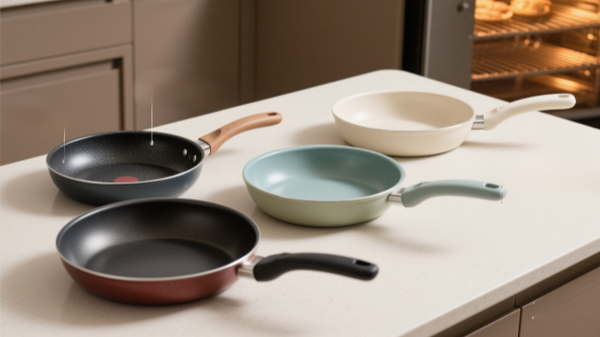
- Ceramic-Coated Pans: These typically have a lower safe temperature range of about 200–250°C as the coating may crack or peel under high heat.
- Plastic-Handled or Detachable-Handle Pans: Such handles are rarely oven-safe. If the pan has detachable handles, they might be removed for oven use, but this is rarely recommended unless explicitly stated by the manufacturer.
Comparison Table
| Material | Typical Oven Safe Range | Handle Considerations | Notes |
|---|---|---|---|
| Cast Iron | 500°C+ | Usually metal | Excellent heat retention |
| Stainless Steel | 260–480°C | Varies; metal preferred | Durable and versatile |
| Aluminum (Anodized) | Up to 400°C | Depends on design | Avoid acidic foods in high heat |
| Non-Stick / Ceramic | 200–260°C | Often plastic/wood | Risk of toxic fumes or coating failure |
How to Choose an Oven-Safe Frying Pan
Selecting the right oven-safe frying pan requires more than just checking its weight or material. Consider the following key aspects:
- Manufacturer’s Label: Always start by checking the product manual or packaging. Look for explicit statements such as "Oven safe up to 450°F (232°C)".
- Handle Construction: Ensure that the pan’s handles are either made entirely of metal or are riveted securely without any plastic, wood, or silicone components which could melt.
- Coating Heat Resistance: For non-stick pans, verify the maximum temperature rating. Some premium non-stick models can handle slightly higher temperatures; however, always abide by manufacturer guidelines.
- Oven Compatibility: Match the pan’s safe temperature with your oven’s maximum setting. Most home ovens operate between 250–300°C, so select a pan with a safe range that exceeds your typical usage.
By carefully reviewing these factors, you ensure that your pan will perform reliably whether you’re searing on the stovetop or finishing in the oven. The seamless transition between these cooking methods is key to many innovative recipes.
Safe Practices for Using Frying Pans in the Oven
Even with an oven-safe frying pan, following safe usage practices is paramount:
- Preheat the Oven: Always preheat your oven to the required temperature before placing your pan inside. Some pans, especially cast iron, should be gradually heated to avoid thermal shock.
- Use Oven Mitts: Handles can become extremely hot, so protect your hands with heat-resistant gloves.
- Avoid Sudden Temperature Changes: Do not transfer a hot pan directly onto a cold surface; allow it to cool gradually to prevent warping or cracking.
- Clean Before and After Use: Remove residual food to prevent burning, and use non-abrasive cleaners on coated surfaces to maintain longevity.
- Monitor Coating Condition: If you notice peeling or damaged coatings, discontinue use in the oven to avoid contaminating your food.
Adopting these practices will ensure both your safety and the optimal performance of your cookware.
Frequently Asked Questions (FAQ)
Here are some common questions about oven-safe frying pans:
- Q: Are all stainless steel frying pans oven safe?
A: Not necessarily. The presence of plastic or wood in handles or non-stick coatings can lower the safe temperature. Always check the manufacturer's guidelines. - Q: Can I put a non-stick frying pan in the oven?
A: Only if it is explicitly labeled as oven safe—usually with a maximum temperature between 260°C to 300°C. - Q: What happens if I use an oven-unsafe pan?
A: Using a pan beyond its safe temperature can result in melted handles, damaged coatings, or even the release of toxic fumes. - Q: How can I determine the oven-safe temperature of my pan?
A: Consult the pan’s manual, packaging, or manufacturer’s website. If in doubt, contact customer support for clarification.
Conclusion
In conclusion, choosing the right oven-safe frying pan is essential for achieving versatile and safe cooking results. By understanding the key factors—material composition, handle design, coating limits, and manufacturer guidelines—you can confidently transition from stovetop to oven without compromising on safety or performance.
Cooking Light: The Rise of Cast Aluminum Cookware in Contemporary Cuisine
How Much Does a Frying Pan Weigh in kg? Choosing the Right Weight for Your Kitchen