How to Choose the Perfect Frying Pan Size for Your Kitchen
Table of Contents
Introduction & Real-Life Case
Meet Sarah, a passionate home cook who recently faced a common kitchen dilemma. While preparing a family dinner, she found that her old frying pan was either too small to accommodate all the ingredients or too large, making heat distribution uneven. This experience sparked her curiosity and led her to explore how to measure the size of a frying pan and determine what size frying pan do I need for different recipes.
In this comprehensive guide, we will walk you through everything you need to know about choosing the perfect frying pan size. From understanding key dimensions to considering additional design factors, our aim is to help you make an informed decision that enhances your cooking experience. Whether you’re a novice cook or a seasoned chef, this article is designed to provide actionable insights based on expert advice and real user experiences.
Understanding Frying Pan Dimensions
When it comes to frying pans, size matters not just in appearance but also in functionality. The key dimensions include:
- Diameter: The most common measurement, which determines how much food can fit in the pan.
- Depth: Important for recipes that require liquids, ensuring you don’t spill over during cooking.
- Volume: A combination of diameter and depth, affecting the pan’s overall capacity.
Understanding these dimensions will not only help you select the right frying pan but also enhance the cooking process by ensuring even heat distribution and optimal space for ingredients.
How to Measure the Size of a Frying Pan
Measuring your frying pan accurately is essential for comparing sizes and making informed purchasing decisions. Follow these step-by-step instructions:
- Measure the Diameter: Place a ruler or a measuring tape across the pan from edge to edge. For a more accurate reading, measure the widest part of the pan.
- Determine the Depth: Stand the measuring tool vertically from the bottom of the pan to the top edge. Ensure that the tool is perpendicular to the surface for an accurate measurement.
- Calculate the Volume (if needed): While this is less common for everyday use, some recipes might require you to know the pan’s volume. Multiply the area of the base by the depth to get an approximate volume.
Using these simple steps will help you avoid common mistakes such as misjudging the size or not accounting for the pan’s depth. Always double-check your measurements to ensure precision, especially when comparing different brands or models.
What Size Frying Pan Do I Need?
The ideal frying pan size depends on various factors including the number of people you typically cook for, the type of dishes you prepare, and even the size of your stovetop. Here are some factors to consider:
- Family Size: For a family of four or more, a larger pan (10-12 inches) can accommodate more food at once.
- Cooking Style: For quick stir-fries or delicate sautéing, a medium-sized pan (8-10 inches) might be perfect.
- Stovetop Size: Ensure the pan fits comfortably on your burner to avoid wasted heat and uneven cooking.
Consider your typical recipes. For instance, if you often prepare meals that require searing meat or making one-pan dishes, opting for a slightly larger pan could be beneficial. Conversely, if you primarily cook for one or two people, a smaller pan may suffice.
Factors Beyond Size: Material & Design Considerations
While size is an important factor, the material and design of your frying pan are equally significant. The best frying pan for your kitchen should combine optimal size with features that enhance cooking performance:
- Material: Choose from aluminum non-stick, cast iron, stainless steel, or ceramic based on your cooking style. Each material has unique heat conduction and maintenance requirements.
- Handle and Weight: Ensure the pan is comfortable to handle, even when full. A well-designed handle provides a secure grip, which is crucial for safe and efficient cooking.
- Heat Distribution: A quality frying pan should distribute heat evenly across its surface to prevent hot spots and ensure consistent cooking.
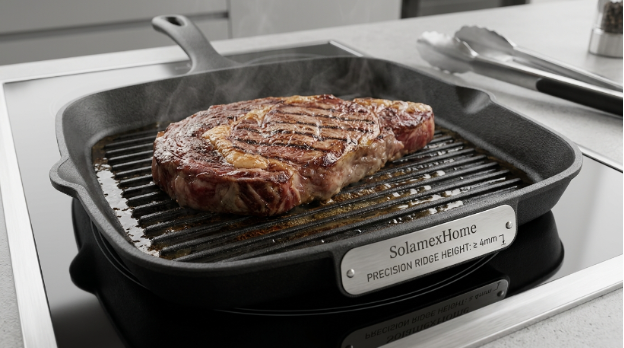
When selecting a frying pan, consider your long-term needs. For example, a cast iron pan may require more maintenance but can offer unparalleled heat retention, making it ideal for searing and frying.
Common Frying Pan Sizes and Their Uses
Below is a table summarizing the most common frying pan sizes along with their typical applications:
| Frying Pan Size | Ideal For | Typical Uses |
|---|---|---|
| 8-inch | Small Meals/Single Serving | Sautéing vegetables, frying eggs |
| 10-inch | Everyday Cooking | Stir-fries, searing meats, making omelets |
| 12-inch | Family Meals/Large Portions | One-pan dishes, frying larger cuts of meat |
This table can help you quickly compare the benefits of each size. Remember that while these sizes are common, your specific needs may vary depending on your cooking habits.
Expert Tips and User Insights
Drawing from expert advice and real-life experiences, here are some tips to help you make the best decision:
- Experiment with Different Sizes: If possible, try out different pans before making a purchase. Many cooking stores offer demo units that allow you to feel the weight and balance.
- Consult Reviews and Forums: User reviews on trusted websites can provide insights into durability and performance over time. Online communities often share practical tips that can help guide your decision.
- Invest in Quality: A good frying pan is an investment. Prioritize quality over price to ensure long-term satisfaction. Look for certifications and trusted brands that emphasize both safety and performance.
Frequently Asked Questions (FAQ)
Here are some common questions and quick answers to help clarify your doubts:
Can one frying pan size suit all recipes?
While a medium-sized pan is versatile, the ideal size often depends on the recipe and portion sizes. It might be helpful to have more than one size in your kitchen.
How do I store multiple frying pans?
Consider hanging pans with hooks or using stackable designs to maximize your kitchen space without compromising the pans’ condition.
Are larger pans always better for even heat distribution?
Not necessarily. While larger pans can handle more ingredients, quality materials and design play a crucial role in ensuring even heat distribution.
Conclusion
Choosing the right frying pan size involves a blend of accurate measurements, understanding your cooking needs, and considering additional factors such as material and design. From Sarah’s initial kitchen challenge to expert advice and real-life experiences, we hope this guide has provided valuable insights that will help you select the perfect frying pan for your kitchen.
Remember, the ideal pan is one that not only meets your culinary requirements but also enhances your overall cooking experience. We encourage you to experiment, read reviews, and keep up with the latest trends in kitchenware. For retailers, offering a curated selection of wholesale frying pans options can help meet diverse customer demands while maintaining healthy profit margins. By doing so, you’ll build a reliable collection of pans that can tackle everything from quick weekday meals to elaborate weekend feasts.
What Users Really Need to Know About Frying Pans
The Perfect Fit: A Science-Based Guide to Choosing the Right Frying Pan Size