How to Choose the Right Size for Pots and Skillets: A Comprehensive Guide
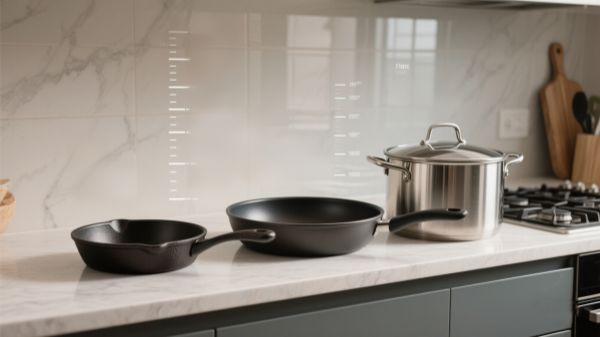
Table of Contents
- Introduction: Why Size Matters in Cookware Selection
- Core Logic: Determining Your Practical Needs
- Visual Comparisons: Relating Sizes to Everyday Objects
- Material Impact on Size Selection
- Purchasing Tips: Making Informed Decisions
- FAQs: Addressing Common Concerns
- Conclusion: The Ultimate Selection Formula
Introduction: Why Size Matters in Cookware Selection
Choosing the right size for your pots and skillets is crucial for efficient cooking, proper food preparation, and overall kitchen functionality. Ill-fitting cookware can lead to common issues like粘锅, inefficient heat distribution, and storage challenges. This guide will help you navigate the key factors to consider when selecting the perfect sizes, ensuring your kitchen tools align with your cooking habits, household size, and available space.
From understanding how family size impacts pot capacity to learning how material properties influence skillet dimensions, we’ll cover everything you need to make an informed decision. Let’s dive into the core principles of cookware sizing.
Core Logic: Determining Your Practical Needs
The first step in selecting the right cookware size is assessing your household’s specific needs. Here are the key factors to consider:
1. Household Size & Meal Portions
The number of people you regularly cook for directly impacts the size of pots and skillets you need. For single or couple households, smaller sizes like 1-2 quart saucepans and 8-10 inch skillets (4 quart skillets) are ideal. A 4 quart saucepan, holding approximately 3.78 liters (1 gallon minus 1 cup), is perfect for 4 servings of soup or stew, making it a versatile choice for 3-4 person families. Larger families or those hosting gatherings should opt for 8-12 quart stockpots and 12+ inch skillets to accommodate larger portions.
2. Cooking Scenarios & Habits
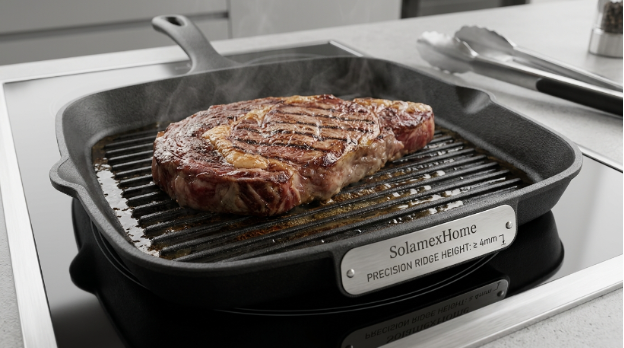
Your cooking style and frequently prepared dishes also play a significant role. For example, searing steaks requires a 10+ inch skillet to ensure even heat distribution, while stir-frying benefits from an 11 inch wok. Versatile pieces like a 6 quart enameled cast iron Dutch oven can handle both braising and oven baking, making them a smart investment for multi-purpose cooking.
A 4 quart frying pan is particularly useful for family meals, accommodating 6-8 servings of one-pan dishes like chicken cacciatore or chili. Its aluminum core ensures even heat distribution, making it suitable for braising, sautéing, and baking casseroles.
Visual Comparisons: Relating Sizes to Everyday Objects
Understanding pot and skillet sizes can be challenging when relying solely on measurements. Here’s a breakdown of common sizes and their real-world equivalents:
Pot Sizes Demystified
| Size | Capacity | Relatable Comparison | Use cases |
|---|---|---|---|
| 1 Quart | ~1L | 2 standard water bottles (500ml each) | Single servings, hot drinks |
| 4 Quart | ~3.78L | 2/3 of a standard rice cooker (24cm diameter) | Family soups, stews |
| 8 Quart | ~7.5L | 2 rice cookers combined | Batch cooking, whole chicken stews |
Skillet Diameters Explained
| Size | Diameter | Relatable Comparison | Use cases |
|---|---|---|---|
| 8 Inch | ~20cm | A4 paper width (21cm) | Single-serving eggs, small steaks |
| 10 Inch | ~25cm | Dinner plate diameter (25cm) + 1 inch | 2-3 servings, sauces |
| 12 Inch | ~30cm | Laptop screen diagonal (13 inches) | Family meals, oven baking |
Material Impact on Size Selection
1. Cast Iron
2. Stainless Steel
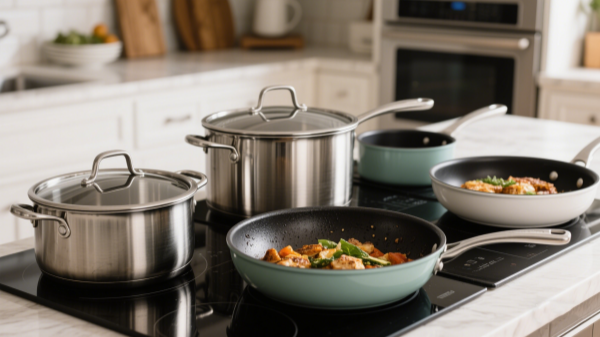
3. Ceramic-Coated Die-Cast Aluminum Cookware
Purchasing Tips: Making Informed Decisions
When buying cookware, consider the following practical steps:
1. Measure Existing Cookware
Measure the capacity of your current pots by filling them with water and transferring it to a measuring cup. For skillets, measure the inner diameter (excluding handles) to determine the actual cooking surface.
2. Decode Product Specs
Pay attention to “usable capacity” rather than “max capacity,” as manufacturers often list the latter. Leave 20% headspace to prevent overflow. For cast iron, be aware that thicker walls may slightly reduce the actual capacity compared to the标称值.
3. Smart Buying Strategies
Opt for stackable sets to save storage space. Beginners should start with a 12 inch skillet and 4 quart saucepan combo, which covers most cooking needs. Brands like All-Clad and Le Creuset offer high-quality stainless steel options, while Calphalon’s hard-anodized aluminum cookware provides excellent heat distribution.
FAQs: Addressing Common Concerns
Q: Is a 4 quart saucepan too small?
A: Ideal for 4 servings of soup; upgrade to 6 quarts for pasta cooking (holds 4L water + ingredients).
Q: Skillet size: 10 vs. 12 inches?
A: 10 inch for daily use; 12 inch for multitasking (e.g., searing meat + veggies simultaneously).
Q: Wok size: 11 vs. 12 inches?
A: 11 inch for 3-5 people; 12 inch for frequent entertaining, but ensure stove power matches.
Conclusion: The Ultimate Selection Formula
Choosing the right cookware size involves balancing household needs, cooking habits, and material properties. Use the following formula as a starting point:
Ideal Sizes = (Household Size × 1.5 Quarts) + 10 Inch Skillet + 12 Inch Wok
For example, a 4-person home would benefit from a 6 quart Dutch oven, 10 inch skillet, and 12 inch wok. This combination ensures you can handle daily meals, batch cooking, and entertaining with ease.
Remember to prioritize quality and durability, as investing in well-made cookware will save you money in the long run. With this guide, you’ll be equipped to select the perfect pots and skillets that enhance your cooking experience and fit seamlessly into your kitchen.
How to Choose the Right Pot and Skillet Sizes for Your Cooking Needs
Die-Cast Aluminum Cookware Decoded: The Science of Lightweight Precision and Eco-Conscious Culinary Mastery