How to Clean a Wok — Simple, Practical Methods for Everyday Care
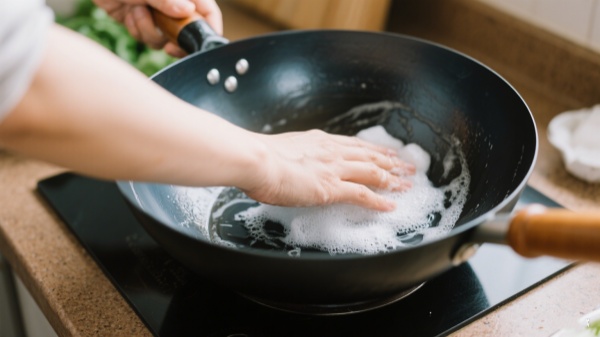
Quick answer: for most carbon-steel and cast-iron woks, rinse with hot water while the wok is still warm, scrub with a bamboo brush or soft scrubber to remove bits, dry on the stove, and wipe a very thin coat of oil to protect the surface. Use gentler methods for nonstick and stainless woks and re-season carbon steel after any deep scrub or rust removal. [1]
Why the wok's material matters (quick primer)
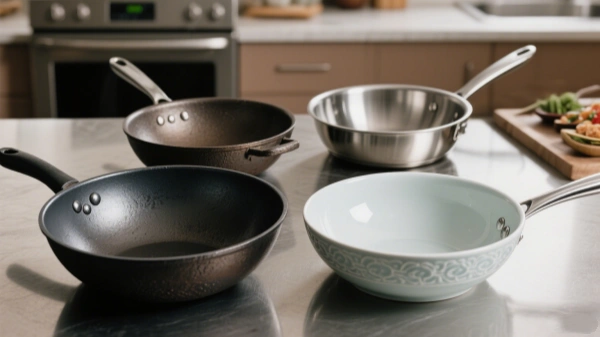
Woks are made from different metals, and care depends on the material. Here’s what to look for:
- Carbon-steel: fast-heating, develops a natural nonstick patina (seasoning). Avoid dishwashers and harsh abrasives; treat seasoning gently. [2]
- Cast-iron: heavy, seasonable like carbon steel; dries slowly and is prone to rust if left wet.
- Stainless steel: tougher—soap and stronger scrubs are fine for stains; it won’t develop a patina the same way.
- Nonstick (PTFE/Teflon or ceramic): keep temps moderate, avoid metal tools and abrasive pads; hand-wash only.
Not sure what you have? A simple magnet test helps: if a magnet sticks, the wok contains ferrous metal (carbon-steel or cast iron). If not, it may be stainless or aluminum with a non-ferrous base.
Everyday, safe cleaning — the method I use most
This is the quickest route back to a cooking-ready wok after a regular stir-fry. It keeps seasoning intact and is fast enough to be part of your routine.
Step-by-step
- Cool to warm: Let the wok come down from full heat to a warm temperature (don’t pour cold water on a red-hot wok — that risks warping).
- Rinse and loosen: Pour hot tap water into the wok and use a bamboo brush, soft nylon scrubber, or stiff spatula to loosen food bits.
- Boiling-water trick: For stuck-on bits, pour in a little boiling water, let it sit a minute, then scrape gently with a flat metal spatula (safe on steel and cast iron, not on nonstick).
- Dry on the stove: Wipe with a towel then place over low heat for 30–90 seconds to evaporate any remaining moisture.
- Protect with oil: When the wok is dry and slightly warm, wipe a thin film of neutral oil (vegetable, grapeseed, or canola) over the surface with a paper towel — you want a whisper of oil, not a glossy layer.
Transitioning from this routine to a deeper clean depends on how stubborn the residue is. If the everyday steps remove the mess, you’re done. If not, proceed to the deeper-clean methods below.
Deep cleaning and removing stubborn residue
When food is stuck or a pan has baked-on bits, try the gentlest effective method first and step up if needed.
Salt scrub (gentle abrasive for carbon steel)
While the wok is warm, sprinkle a couple of tablespoons of coarse salt into the bowl and scrub with a folded paper towel or non-metallic pad. The salt acts as an abrasive without stripping a well-developed seasoning.
Boil-and-scrape
Add enough water to cover stuck areas, bring to a simmer, then scrape with a flat spatula. Boiling loosens burned-on food safely.
Stronger scrubs (only when necessary)
For unseasoned steel or stainless woks, steel wool or a scouring pad can be used to remove baked-on carbon. For seasoned carbon-steel, use steel wool only if you plan to re-season afterward — it will remove the patina.
Can you use soap on a wok?
Short answer: yes, sometimes. A mild dish soap will not ruin a well-seasoned wok if used occasionally to cut heavy grease or to remove meat/fish residue. But repeated, heavy-duty detergent use and hard scrubbing will speed up seasoning loss. For daily light cleaning, hot water and a brush are usually enough. [10]
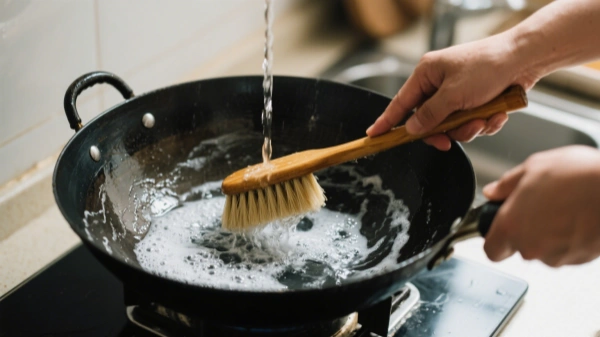
If you do use soap, rinse well, dry immediately, and apply that thin protective oil film described earlier.
How to remove rust and revive a wok
Rust happens. It’s not fatal — with a little work you can bring a wok back to life.
- Scrub off the rust: Use steel wool or a scouring pad with hot water and a little dish soap to scrub to bare metal.
- Rinse and dry thoroughly: Once the rust’s gone, rinse well, dry on the stove until fully moisture-free.
- Re-season immediately: Heat the wok, add a thin layer of high-smoke-point oil, spread and heat until it smokes; repeat until a dark patina builds. This protects the metal from future rust. [7]
If you used vinegar for rust removal, neutralize quickly with baking soda and rinse well, then re-season ASAP to prevent flash rusting.
Re-seasoning a carbon-steel or cast-iron wok (concise protocol)
When you need to rebuild the patina — after heavy scrubbing, rust removal, or on a new bare wok — follow these simple steps:
- Wash thoroughly to remove factory oils or oxidation. Dry completely.
- Heat the empty wok until it’s very hot (open pores help the oil bind).
- Use a high-smoke-point oil (grapeseed, canola, or refined peanut). Put a teaspoon of oil in and spread it with a paper towel held with tongs.
- Heat the wok until the oil begins to smoke, then wipe out excess. Repeat the oil+heat cycle 4–6 times until the surface goes from pale to a warm brown and then to a darker patina with use. [17]
Pro tip: A thin, repeated build-up works better than a heavy coat. The goal is an even, dark patina — not sticky residue.
Care for stainless and nonstick woks
Stainless: Safe to use soap and stronger scrubbing agents for discoloration or stuck food. Bar Keepers Friend is often effective on stains but read the product instructions first. [12]
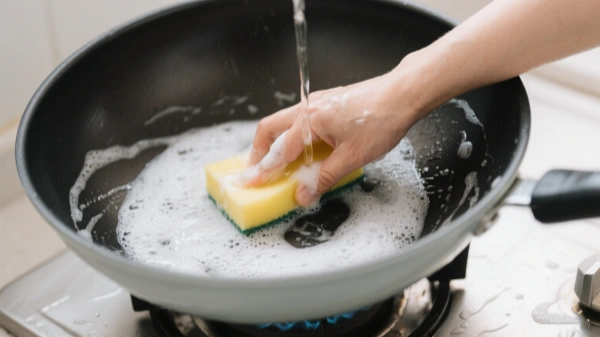
Nonstick: Avoid metal tools and abrasive pads; hand-wash gently with a soft sponge and mild detergent. Overheating nonstick pans shortens their life, so keep heat moderate and skip the re-seasoning steps used for steel or cast iron.
Common mistakes & quick fixes
- Leaving a wet wok to air-dry: causes rust. Fix: dry on the stove and oil lightly.
- Putting a carbon-steel wok in the dishwasher: strips seasoning and causes rust. Fix: hand-wash and re-season if needed.
- Over-scrubbing a seasoned surface: removes the patina. Fix: re-season and use gentler methods next time.
- Storing food in the wok: acid from tomatoes or vinegar can strip seasoning. Fix: transfer leftovers to another container.
FAQ (short answers — great for quick reference)
- How do you clean a carbon steel wok?
- Rinse with hot water, scrub with a bamboo brush or soft pad, dry on low heat, then wipe a thin coat of oil to protect the surface. [10]
- Can I use soap on my wok?
- Mild soap is okay occasionally for greasy pans or after cooking meat; for daily light meals, hot water and a brush usually suffice. Rinse, dry, and oil after using soap. [4]
- How do I remove rust from my wok?
- Scrub rust to bare metal with steel wool, rinse, dry, then re-season immediately with a high smoke-point oil. Short vinegar soaks help but must be neutralized and followed by re-seasoning. [7]
- How often should I re-season?
- Re-season whenever the surface looks patchy or food starts to stick more than usual. For frequent home use, that might be once a month; for light use, less often.
- Can I put my wok in the dishwasher?
- No for carbon steel and cast iron — the dishwasher promotes rust and strips seasoning. Stainless is dishwasher-safe but hand washing will preserve finish longer.
References
- Serious Eats — How to clean & maintain cast iron and similar care notes. (Useful short guidance on when soap is reasonable.) ↩
- Serious Eats — Best woks and testing notes. (Material and performance comparisons used to shape material guidance.) ↩
- The Woks of Life — How to wash a wok. (Practical washing and soap guidance for daily use.) ↩
- The Woks of Life — Reviving a rusty wok. (Step-by-step rust removal & re-seasoning tips.) ↩
- de Buyer — How to properly season your carbon-steel wok. (Short seasoning protocol & oil recommendations.) ↩
- Made In Cookware — Maintain a pre-seasoned carbon steel wok. (Maintenance tips for preseasoned woks.) ↩
- EatingWell — The best wok & seasoning basics. (General buying and care context.) ↩
- Food & Wine (Kenji/López-Alt talk) — seasoning and use tips. (Notes on seasoning and practical usage.) ↩
How to Clean a Wok: From Seasoning to Rust Removal
What Is Marble Cookware, and Should It Be Your Next Kitchen Upgrade?