How to Clean Aluminum Pans: Everyday Care, Deep-Clean Methods & What to Avoid
Why This Matters
Aluminum is lightweight and an excellent heat conductor, but it behaves differently than stainless steel or cast iron. Bare aluminum can oxidize or discolor, coated or anodized surfaces need gentler handling, and aggressive cleaning shortens a pan's useful life. A few careful habits keep pans performing and looking new.
Quick Everyday Cleaning
- Rinse the pan with warm water to remove loose food particles.
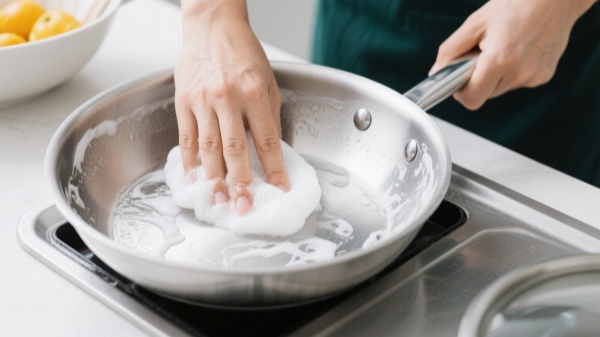
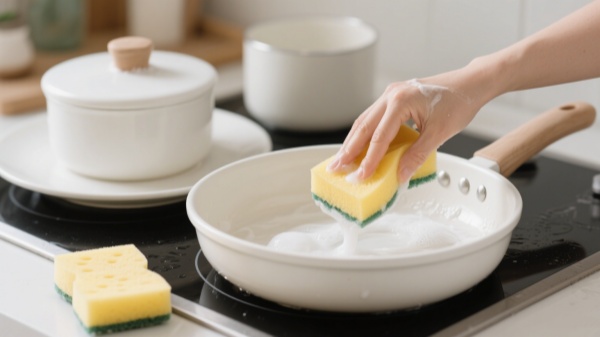
- Wash with mild dish soap and a soft sponge; avoid metal scouring pads on coated surfaces.
- For stuck-on food, soak 15–30 minutes before gently scrubbing. Dry immediately to prevent water spots.
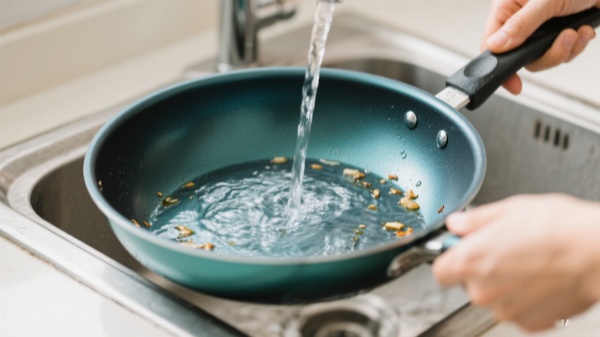
Note: Most bare aluminum and many anodized pans are best hand-washed — dishwasher cycles and harsh detergents can dull or discolor the finish.
Identify Your Pan Type
Cleaning depends on what kind of aluminum pan you own. Check the pan's packaging or cookware manufacturer site if unsure.
- Bare (uncoated) aluminum: lightweight, can oxidize and darken.
- Anodized aluminum: surface hardened — tougher, but color can fade with harsh detergents.
- Coated (nonstick or ceramic): have fragile coatings—avoid abrasives and metal utensils.
- Cast aluminum: thicker and heavier; handle similar to cast iron for seasoning and care.
(If you're comparing materials: ceramic cookware vs aluminum — remember that ceramic-coated pieces need much gentler care than bare aluminum.)
Safe Cleaning Methods — Matched to Common Problems
Everyday grease & light residue
Warm water + dish soap + soft sponge is usually enough. Rinse and dry. Repeat after heavy use; avoid leaving grease to harden on the surface.
Light discoloration / mild oxidation (cream of tartar or vinegar)
Cream of tartar method: make a paste of 1–2 tbsp cream of tartar + enough water to cover the stained area; rub gently or boil a few minutes with water for stubborn discoloration, then rinse and dry. Vinegar method: simmer a 1 part white vinegar : 3 parts water solution for 10–15 minutes, let cool, then scrub gently and rinse.
Why two options? Cream of tartar is a gentle abrasive/polish; vinegar is acidic and works well when you prefer a liquid simmer or when cream of tartar isn't on hand.
Stubborn blackened spots or burnt-on food (baking soda)
Make a thick paste of baking soda + a little water; apply to the spots and wait 20–30 minutes, then scrub with a non-scratch pad. For heavy burns, fill the pan with water, add 2–3 tbsp baking soda, bring to a simmer for 10–15 minutes, cool, then scrub.
Deep corrosion or pitting
If the pan shows deep pitting, holes, or structural damage, replacement is safer than chemical remediation — severe corrosion can affect cooking performance and safety.
Coated / nonstick / ceramic surfaces
Use only mild soaps and soft sponges. Never use steel wool or strong alkaline cleaners. If the coating is flaking or peeling, stop using the pan and replace it.
Do’s and Don’ts — Quick Checklist
- Do dry pans immediately after washing.
- Do spot-test any new cleaner on an inconspicuous area first.
- Don't use oven cleaners, harsh lye-based products, or steel wool on coated surfaces.
- Don't run most bare aluminum pans through the dishwasher regularly.
Preventive Care That Extends Pan Life
Develop a few habits: avoid heating empty pans on high, use wood or nylon utensils on coated surfaces, and season carbon or cast aluminum pans if the manufacturer recommends it. Storing pans dry and nesting with protective cloths keeps finishes from scratching.
When to Replace Your Aluminum Pan
Replace if there is deep pitting, warped base, or flaking coating. These signs mean performance is compromised or the surface could contaminate food.
Troubleshooting Quick Look-up
| Problem | Quick fix | When to replace |
|---|---|---|
| Light discoloration | Simmer vinegar solution or cream of tartar paste, rinse. | Never — cosmetic only unless deep pitting appears. |
| Burnt-on black residue | Simmer with baking soda, cool, scrub with non-scratch pad. | If surface is rough or uneven after cleaning. |
| Coating flaking | Stop using; replace pan. | Immediately — do not attempt to cook on flaking surfaces. |
FAQ
How do you clean an aluminum pan without scratching it?
Use warm water, mild soap, and a soft sponge. For stuck food, soak first. Avoid metal scouring pads on coated or anodized surfaces.
How do you remove black stains from aluminum pans?
Simmer water with a couple of tablespoons of baking soda, let cool, then scrub gently. Repeat if needed.
What household items clean aluminum cookware?
Baking soda, white vinegar, and cream of tartar are effective and common household cleaners for aluminum. Use them as a paste or simmering solution depending on the problem.
Can I use lemon or ketchup to clean aluminum?
Lemon (acidic) can help with mild stains; ketchup is an old trick because of its mild acid, but vinegar or cream of tartar are more reliable and less messy.
Can you clean aluminum pans with vinegar?
Yes. Simmer a 1:3 vinegar-to-water solution for 10–15 minutes to lift oxidation and stains, then rinse and dry. Vinegar is a mild acid that helps dissolve discoloration; rinse thoroughly afterward to remove the smell.
Is it safe to use baking soda on aluminum?
Yes for stains and burnt food. Make a paste (baking soda + water), rest it for 20–30 mins, and scrub gently with a non-scratch pad. Avoid prolonged strong alkaline exposure on some coated or sensitive surfaces.
Can I put aluminum pans in the dishwasher?
Generally not recommended for bare aluminum — dishwasher detergent and heat can cause darkening and dulling. Check the manufacturer's instructions for anodized or coated pans before using the dishwasher.
Club Aluminum Cookware: Complete Guide to America's Most Durable Vintage Cookware
Are Aluminum Pans Safe? The 2025 Complete Guide (Expert Insights & Buyer's Guide)