How to Identify Truly Non-Toxic Cookware: A Comprehensive Guide
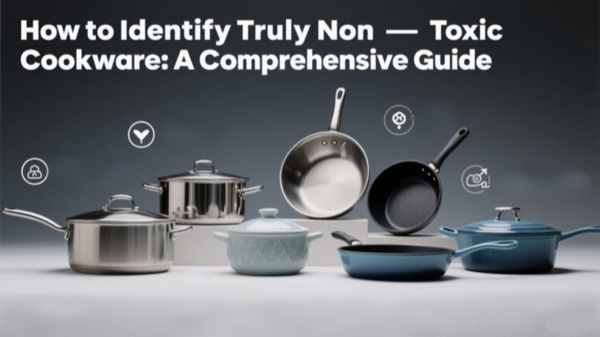
With growing concern over chemical exposure, choosing cookware labeled “non-toxic” can be confusing. This guide walks you through materials, certifications, simple home tests, and brand insights to ensure the pots and pans in your kitchen are safe.
Key Takeaways
- Not all “PTFE-free” claims guarantee safety without proper certification.
- Look for FDA, LFGB, NSF labels to verify third‑party testing.
- Easy home tests—smoke, acid soak, scratch—reveal major red flags.
- Brand white papers and warranty details indicate manufacturer confidence.
- Four major brands (HexClad, Caraway, Le Creuset, GreenPan) each have unique non-toxic profiles.
1. Understanding Cookware Materials & Coatings
Cookware falls into three basic categories: bare metals, anodized aluminum, and non-stick coatings. Each has its own safety considerations.
Bare Metals
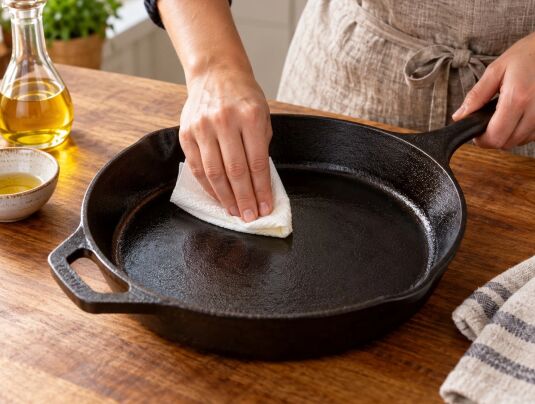
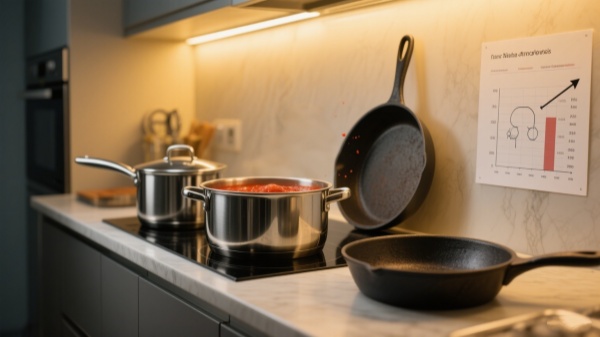
Stainless steel, cast iron, and carbon steel contain no synthetic coatings, making them inherently chemical-free. However, prolonged cooking of highly acidic foods can leach trace amounts of iron or nickel into your meals.
Anodized & Hard-Anodized Aluminum
Anodizing increases hardness and scratch resistance, creating a stable oxide layer atop aluminum. While generally safe at normal cooking temperatures, extreme heat can degrade the layer over time.
Non-Stick Coatings
PTFE (Teflon) coatings perform well below 260 °C (500 °F) but may release fumes if overheated. Ceramic-based coatings promise PFAS and PFOA freedom but vary in thickness and durability depending on the cookware manufacturer.
Furthermore, many non‑stick cookware lines are built on die‑cast aluminum or other aluminum alloy bases. This lightweight core ensures even heat distribution and provides a sturdy foundation for the coating.
2. Certifications & Lab Testing
Labels on packaging should reveal third-party testing. The most recognized certifications include:
- FDA (U.S. Food and Drug Administration) for general food-contact safety.
- LFGB (German Food, Commodity and Feed Act) for stricter European standards.
- NSF, SGS, TÜV for additional chemical and performance testing.
Always verify these seals on the manufacturer’s website or product insert before purchasing.
3. Simple Home Tests for Toxicity Red Flags
These quick checks don’t replace lab tests but help you spot obvious issues:
High-Heat Smoke Test
Heat the pan on medium-high; any sharp chemical odor or colored smoke indicates coating breakdown. Discontinue use immediately if detected.
Acidic Food Soak Test
Soak the surface in lemon juice or vinegar for 30 minutes. Visible pitting, discoloration, or metallic taste suggests leaching.
Scratch & Flake Inspection
Use a metal utensil to lightly scrape the coating. Peeling or flaking indicates the finish may degrade during normal cooking.
4. Researching Brands & Warranty Policies
Beyond materials and home tests, manufacturer transparency and warranty terms reflect product confidence.
Technical White Papers
Brands like HexClad and Caraway publish lab reports detailing heat stability and chemical inertness.
Warranty Coverage
A long, comprehensive warranty often indicates the company trusts its product’s durability and safety.
User Community Feedback
Forums on Reddit and Quora offer real-world insights—look for recurring issues rather than isolated complaints.
People Also Ask (FAQ)
Q: Is HexClad cookware non-toxic?
A: HexClad’s hybrid pan uses laser-etched PTFE that remains stable below 500 °F. According to their technical specs and FDA guidelines, it emits no harmful fumes at normal cooking temperatures.
Q: Is Caraway cookware safe and non-toxic?
A: Caraway’s ceramic coating is certified PFAS-, PFOA-, lead-, and cadmium-free by LFGB and SGS tests. Their published results confirm compliance with European and U.S. safety standards.
Q: Is Le Creuset cookware non-toxic?
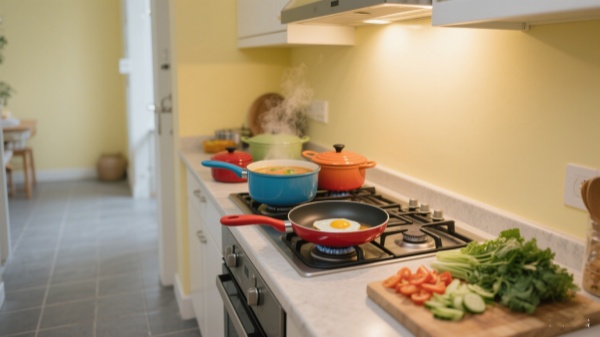
A: Le Creuset’s enameled cast iron meets FDA and EU food-contact specifications, as detailed in their Safety Information. Chipped enamel should be avoided to prevent iron exposure.
Q: Is GreenPan cookware safe and non-toxic?
A: GreenPan’s Thermolon ceramic coating is EPA-approved and LFGB-certified. Their safety page advises keeping temperatures below 600 °F to preserve coating integrity.
Conclusion & Next Steps
By understanding material science, verifying certifications, performing simple home tests, and reviewing brand data, you can confidently select cookware that truly lives up to its “non-toxic” claims. Explore detailed reviews on our site, and subscribe for updates on new safe cookware releases.
References
- HexClad Technical Specs
- FDA Food-Contact Guidance
- Caraway Testing Results
- Le Creuset Safety Information
- GreenPan Safety & Testing
The Non-Toxic Cookware Reality Check: Verify Your Pans in 4 Steps
Non-Toxic Cookware Guide: How to Spot Safe Pans (HexClad, Caraway & More)