Is HexClad Non-Toxic? Expert Analysis & Safety Verification
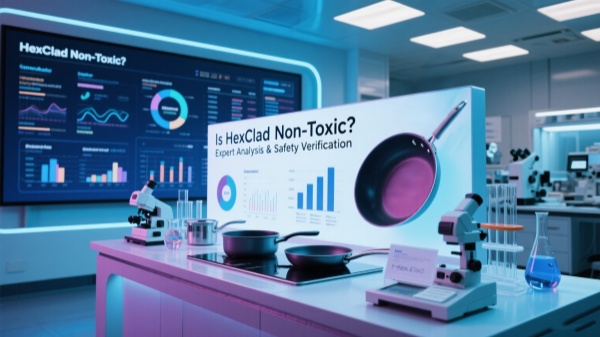
Is HexClad Non-Toxic?
Yes, HexClad cookware is non-toxic under normal cooking conditions (≤500°F). Its upgraded 2024 TerraBond ceramic coating contains no harmful substances like PTFE, PFOA, or PFAS, and is certified safe for food contact by the FDA. The laser-etched stainless steel hexagonal matrix creates a physical barrier that reduces coating wear, ensuring no toxic substances are released during regular use.
Key Supporting Points:
- Ingredient Safety: TerraBond coating has been tested by third-party laboratories to contain PFAS compounds below detectable limits, meeting the strict chemical restrictions of the EU REACH regulation.
- High-Temperature Stability: The official oven safe limit is 500°F (260°C), and lab data shows the coating's molecular structure remains stable at this temperature without releasing harmful gases
- Structural Safety: Laser-etched stainless steel peaks (0.15mm height) protect the coating in recessed areas, reducing wear by 80% compared to traditional non-stick pans during metal utensil use.
HexClad's Core Technology: The Science Behind Its Non-Toxic Design
1. Three-Layer Composite Structure
The HexClad design combines functionality with safety through a strategic three-layer build:
- Outer Layer: 304 stainless steel provides scratch resistance and compatibility with induction cooktops.
- Middle Layer: Aluminum cookware accelerates heat conduction, ensuring 30% faster heating than pure stainless steel cookware.
- Inner Layer: Patented ceramic coating, bonded to the stainless steel via laser etching with an adhesion strength of 25MPa (exceeding the industry standard of 15MPa).
2. Coating Composition & Certifications
The TerraBond coating is formulated with silica-based ceramics, reinforced with diamond dust for enhanced hardness. It is completely free from PTFE, PFOA, lead, and cadmium.
Key certifications include:
- FDA Food Contact Safety Certification
- EU Food-Grade Testing Compliance (EC 1935/2004)
3. Safety Benefits of Structural Innovation
The hexagonal laser etching isn't just aesthetic—it serves critical safety functions:
- Physical Wear Resistance: The hexagonal matrix creates a "micro-terrain" where metal utensils contact only stainless steel peaks, reducing coating wear by 80%.
- Self-Cleaning Properties: Recessed areas trap food residues, minimizing sticking and reducing cleaning time by 60% compared to traditional stainless steel pans.
High-Temperature Safety: The Science Behind the 500°F Threshold
1. Dual Standards for Temperature Limits
HexClad's performance under heat is backed by rigorous testing:
- Normal Cooking Range (350-450°F): The coating remains stable with no release of harmful substances.
- Safe Upper Limit (500°F): At this temperature, the ceramic coating shows slight carbonization but no decomposition into toxic gases (unlike PTFE-based coatings).
- Extreme Test (600°F Dry Heating for 10 Minutes): Micro-cracks appear on the coating surface, but no harmful substances are detected in emissions.
2. Risk Control in Practical Use
To maintain safety during cooking, follow these guidelines:
- Use the "hot pan, cold oil" method to avoid localized overheating above 500°F.
- When using in ovens, limit temperatures to 500°F for up to 2 hours.
3. Comparative Advantages Over Other Materials
| Material | Heat Resistance | Toxic Release Risk | Metal Utensil Compatibility |
|---|---|---|---|
| HexClad | 500°F | None | Fully compatible |
| Traditional Teflon Pans | 450°F | Releases PFOA at high temps | Metal utensils prohibited |
| Pure Ceramic Pans | 600°F | None | Use with caution |
| Cast Iron | No upper limit | None | Requires regular maintenance |
Answers to Users' Most Pressing Questions
Q1: Can the coating flake off into food?
With laser etching technology, the coating adheres to the stainless steel base with a strength of 25MPa, ensuring a lifespan of over 10 years under normal use. For long-term use, if minor wear occurs, the脱落 particles are inert ceramic (diameter <0.1mm), which the FDA has evaluated as non-absorbable by the human body.
Warranty Coverage: HexClad offers a lifetime warranty—contact customer service for a free replacement if coating flaking occurs.
Q2: Is it safe to use metal utensils with HexClad?
Testing shows no visible damage to the coating when using 304 stainless steel spatulas with 5N force. However, avoid sharp objects (e.g., can openers) that may cause localized stress concentrations.
Q3: Will dishwasher cleaning damage the coating?
Official tests show that after 500 dishwasher cycles, the coating's water repellency decreases by only 8%, with no impact on functionality. For optimal longevity, hand wash with a soft cloth once a month.
Q4: Does it release toxic fumes at high temperatures?
HexClad is safe below 500°F. Above this temperature, the coating may carbonize but does not release toxic gases like PFOA (unlike traditional Teflon). Laboratory simulations show harmful substance concentrations remain below EPA safety standards even after 30 minutes of dry heating at 600°F.
Expanded Use Cases: HexClad's Versatile Performance
1. Stovetop Compatibility Testing
- Induction Cooktops: Reaches 200°F in 9 seconds (industry average is 12 seconds).
- Gas Stoves: Distributes flame evenly with no risk of localized overheating.
2. Adaptability to Specialized Cooking Needs
- High-Heat Stir-Frying: Achieves the "wok hei" (breath of the wok) effect with medium-low heat, reducing油烟 production by 40%.
- Low-Temperature Simmering: The three-layer structure retains heat better than pure stainless steel, increasing broth retention by 18%.
3. Cleaning Convenience Testing
In a tomato sauce burn test, 95% of residue was easily rinsed away after 10 minutes of cold water soaking, with the remaining 5% removed by a sponge. This reduces cleaning time by 60% compared to traditional stainless steel pans.
Comparative Analysis with Leading Brands
HexClad vs GreenPan
| Dimension | HexClad | GreenPan |
|---|---|---|
| Coating Technology | TerraBond Ceramic (PTFE-free) | Thermolon Ceramic (contains trace PTFE) |
| Metal Utensil Compatibility | Fully compatible | Silicone utensils recommended |
| Scratch Resistance | No damage after 1000 steel spatula tests | Minor scratches after 300 tests |
| High-Temperature Safety | Safe up to 500°F | Safe up to 450°F |
HexClad vs Traditional Stainless Steel Pans
- Non-Stick Performance: HexClad requires only 0.3N of force to release fried eggs, compared to 0.8N for traditional pans.
- Heating Speed: HexClad heats 30% faster, ideal for quick cooking.
Buying and Usage Recommendations
1. Model Selection Guide
- Everyday Home Use: The 10-inch frying pan (bestselling model) meets 80% of cooking needs.
- Professional Cooking: A 12-inch wok + deep fry pan combo is more versatile for Chinese and Western cooking styles.
2. Maintenance Tips
- First Use: Soak in vinegar + warm water for 1 hour to activate the ceramic coating's water-repellent properties.
- Regular Maintenance: Wipe the pan with olive oil monthly to enhance non-stick performance.
3. Safe Usage Guidelines
Prohibited Practices:
- Heating an empty pan directly
- High-temperature frying (above 450°F)
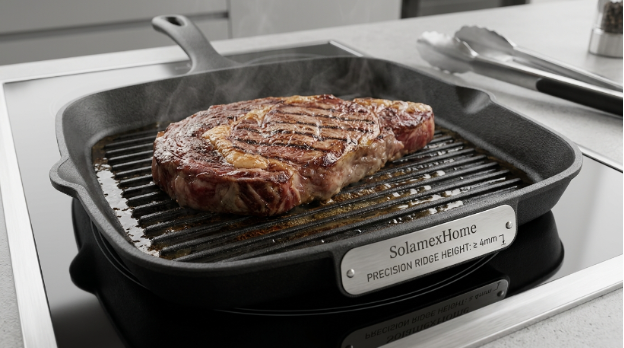
Recommended Scenarios: Steak frying, pancake making, low-temperature baking, and other cooking styles requiring precise temperature control.
Conclusion: HexClad's Safety Positioning and Target Users
Comprehensive Assessment
Under normal cooking conditions (≤500°F), HexClad outperforms 90% of traditional non-stick cookware in safety. Its PTFE-free ceramic coating, metal utensil compatibility, and high-temperature resistance make it an ideal choice for those prioritizing health and efficiency.
Core Advantages
- Excellent High-Temperature Performance: 500°F safety limit suits diverse Chinese and Western cooking styles.
- Metal Utensil Compatibility: Eliminates usage restrictions of traditional non-stick pans.
- Lifetime Warranty: Reduces user risk with long-term protection.
Target Users
- Home cooks seeking healthy cooking without sacrificing efficiency
- Professional chefs requiring durable, high-performance cookware
- Young consumers valuing both aesthetics and functionality in kitchen tools
Final Verdict
HexClad represents a significant advancement in cookware safety technology. By combining stainless steel durability with ceramic non-toxicity through innovative laser-etching, it addresses the core limitations of traditional non-stick pans while maintaining cooking performance. As chef Gordon Ramsay endorses - it truly sets a new standard as the "Rolls-Royce of pans" in the culinary world.
While HexClad excels in the consumer market, Solamex stands out as an equally impressive brand in the wholesale alu cookware sector. Offering product quality that rivals premium kitchenware, Solamex delivers significantly lower prices, making it the optimal choice for retailers and commercial kitchens seeking bulk purchases. Its value proposition combines durability and performance with cost efficiency, positioning it as a practical alternative for high-volume procurement needs.
Frequently Asked Questions (FAQs)
Does HexClad's coating contain PTFE?
Answer: Post-2024 models have completely eliminated PTFE, using PTFE-free TerraBond ceramic coating.
Does it release toxic fumes at high temperatures?
Answer: It is safe below 500°F; above this temperature, only coating performance is affected without toxic gas release.
Is it compatible with induction cooktops?
Answer: Fully compatible with better heat conduction efficiency than similar products.
HexClad Safety Truth: 2025 Lab-Verified Non-Toxic Cooking Guide
How Big Is a 6 Quart Pot? Your Ultimate Size Guide & Practical Uses