How to Measure Fry Pan Size: Th Inner Dimension Rule
1. Why Measuring Fry Pan Size Matters
Accurately measuring a fry pan’s size is critical for achieving optimal cooking results, ensuring compatibility with your stove, and maximizing kitchen efficiency. This guide combines industry standards, practical tips, and expert insights to help you measure and select the ideal fry pan for your needs.
Cooking Performance
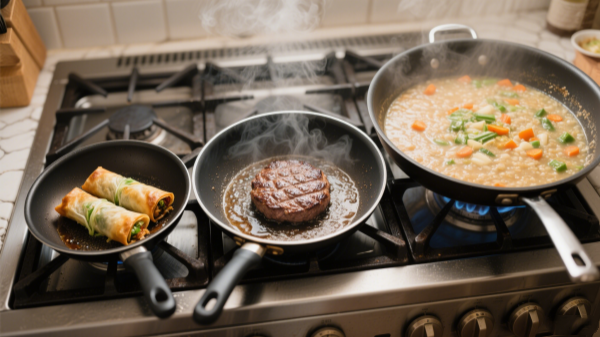
A frying pan that’s too small causes overcrowding, leading to steaming instead of searing, while an oversized pan may result in uneven heat distribution [Source: Cook's Illustrated].
Too Small
Food overcrowds, steam builds up, and edges burn before center cooks.
Too Large
Heat disperses, food takes longer to cook, and oil spreads thinly.
Stove Compatibility
Induction cooktops require flat-bottomed pans with diameters matching the heating element.
Space & Storage
Choose the right size to prevent cluttered cabinets and ensure efficient storage.
Industry Standards
Many brands label pans by outer diameter, but the inner cooking surface is what matters.
2. Core Measurement Steps
1 Diameter: The Foundation of Size
- Use a ruler or measuring tape for precision.
- Place the pan on a flat surface.
- Measure from the inside edge of one rim to the inside edge of the opposite rim, passing through the center.
Key Note:
Sloped edges reduce the effective cooking area. A 10-inch pan with steep sides might have a cooking surface of 7.5 inches.

2 Depth: Impacting Cooking Versatility
- Measure from the bottom of the pan to the top rim vertically.
- Ideal ranges:
- 1.5–2 inches: Versatile for frying, sautéing, and omelets.
- 3+ inches: Better for deep frying or stews to prevent splatters.

3 Handle Length and Weight
- Handle Length: Measure from the pan’s edge to the end of the handle. Longer handles (10+ inches) offer better grip but may require more storage space.
- Weight: Cast iron pans (2–4 pounds) are heavy but retain heat well, while non-stick pans (1–2 pounds) are lightweight for easy maneuvering.

3. Specialized Measurement for Different Pan Types
Cast Iron Skillets
Industry Standard
Often labeled by outer diameter. Measure from the outer rim to the opposite outer rim, excluding the handle.
Cooking Surface
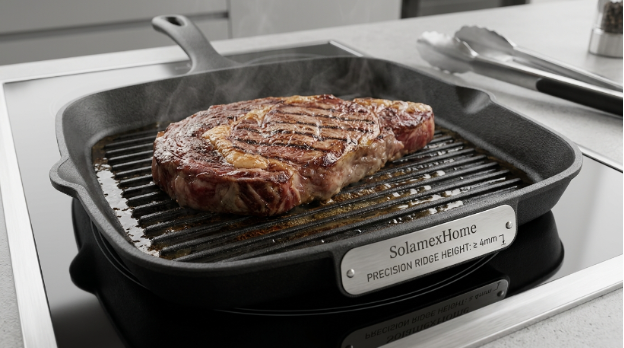
A 12-inch cast iron skillet may have a 9.25-inch cooking surface due to its curved edges.
Non-Stick Pans
Coating Thickness
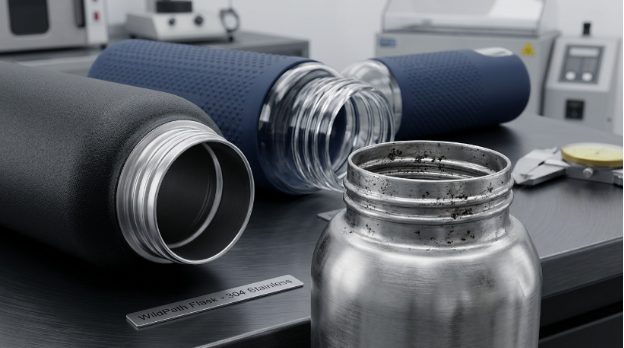
Use a caliper to check for wear (optimal thickness: 0.2–0.4 mm). Avoid metal utensils to protect the coating.
Stove Compatibility
Ensure the base is flat for induction stoves.
Specialty Shapes
Measure the diagonal for the closest equivalent round size.
Oval Pans
Record both the longest and shortest diameters (e.g., “12×10 inches”).
4. Choosing the Right Size for Your Needs
Family Size
- 1–2 People: 8–10 inches
- 3–4 People: 10–12 inches
- Large Groups: 12+ inches
Stove Type
- Gas: Flat bottoms for even heat
- Induction: Magnetic base required
- Electric: Compatible with most pans
Cooking Style
- Searing: Shallow pans (1.5-inch depth)
- Stews: Deep pans (3-inch depth)
- Omelets: 8–10 inches
Size Comparison Chart
| Pan Size | Inner Diameter | Depth | Ideal Use |
|---|---|---|---|
| 8 inches | ~7.5 inches | 1.5 inches | Single servings, omelets |
| 10 inches | ~9.5 inches | 1.75 inches | Family meals, stir-fries |
| 12 inches | ~11 inches | 2 inches | Large batches, searing |

5. FAQs: Common Questions Answered
Q1: How do I measure an unmarked vintage pan?
A: Use water displacement: fill the pan and pour it into a measuring cup to determine capacity.
Q2: Are size standards universal?
A: No. The U.S. uses inches, while Europe/Asia often uses centimeters (1 inch ≈ 2.54 cm). Always check product specifications.
Q3: Can I use a cast iron pan on an induction stove?
A: Yes, if the base is flat and magnetic. Use a magnet to test.
Q4: How often should I replace my fry pan?
A: Non-stick pans last 1–2 years with regular use. Cast iron and stainless steel can last decades with proper care.
6. Conclusion: Precision for Perfect Cooking
Mastering fry pan measurement ensures better heat distribution, portion control, and kitchen efficiency. Remember to:
Focus on inner dimensions over marketing labels.
Prioritize cooking surface area for even results.
Consider stove compatibility and storage needs.
Bonus Tips for Optimal Use
- Season cast iron pans regularly to prevent sticking.
- Use medium heat for non-stick pans to extend coating life.
- Match pan size to burner size for efficient heat transfer.
How to Measure Fry Pan Size: Inner vs. Outer Diameter & Cooking Surface Guide
How to Measure Fry Pan Size: The Definitive Guide