How to Measure Frying Pan Size Like a Pro (and Why It Matters for Better Cooking)
1. Introduction
Imagine searing a steak in a frying pan that’s too small to fit it, or trying to flip a frittata in one so shallow it spills over. The right frying pan size is the unsung hero of kitchen efficiency, ensuring optimal heat distribution, preventing overcrowding, and making your recipes consistently successful.
In this guide, we’ll explain why measuring your frying pan size matters, walk you through measurement methods, highlight common size classifications and their best uses, and share expert tips to help you choose—and use—the perfect pan every time.
2. Why Size Matters in Frying Pans
2.1 Cooking Efficiency
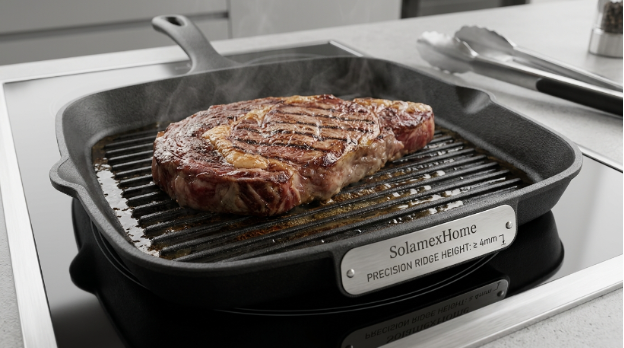
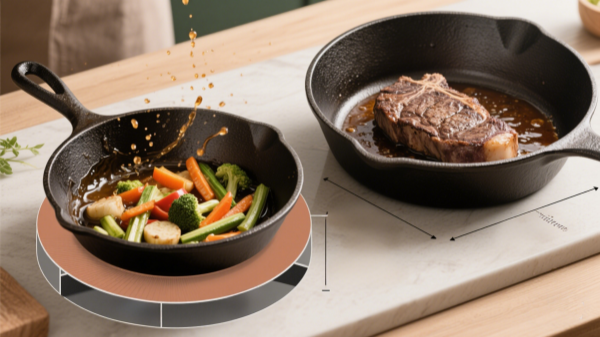
Heat Distribution: A thicker base (4–6 mm) offers superior heat retention and even distribution, preventing hot spots and warping—ideal for searing steaks or sautéing vegetables evenly.
Crowding Risks: Overcrowding your frying pan traps steam under crowded ingredients, leading to steaming rather than browning—especially noticeable in stir‑fries or seared meats.
Liquid Handling: Deeper fring pans (3–4 inches) contain oil splatters for shallow frying safely, while shallower skillets (2 inches) are perfect for making sauces.
2.2 Recipe Success
Portion Control: Match pan diameter to serving size—8 inches for 1–2 eggs, 12 inches for family meals—to avoid under‑ or over‑cooking.
Oven Compatibility: Verify that your pan fits your oven and cooktop; for induction stoves, ensure the base diameter and material (magnetic stainless steel or cast iron) are compatible.
2.3 Storage and Ergonomics
Space Optimization: Measure your cabinets and shelves to choose pan sizes that fit—no more wedging awkward shapes in tight spots.
Weight Balance: Heavy pans like cast iron often require longer, sturdy handles for stability; a 12–15 inch cast iron skillet balances best with an offset handle.
3. How to Measure a Frying Pan
3.1 Key Dimensions
- Diameter:
- Rim‑to‑Rim: Standard measure; outer rims may add ¼–½ inch extra.
- Cooking Surface: Flat area inside, usually 2–3 inches smaller than rim due to sloped sides.
- Depth: From inside bottom to rim; critical for sauces, shallow frying, and baking.
- Handle Length: Total pan length (pan + handle) affects storage and maneuverability.
3.2 Tools Needed
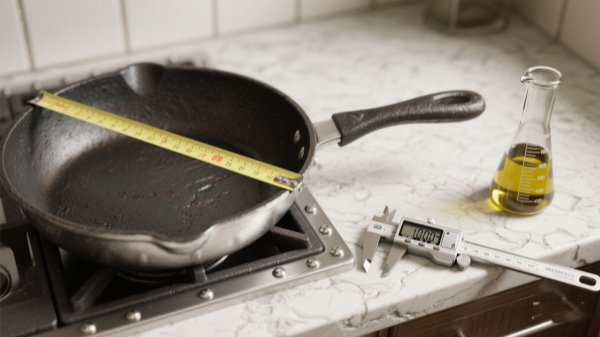
• Tape measure or ruler
• Level (to mark flat cooking surface accurately)
3.3 Step-by-Step Guide
- Rim Diameter: Place the pan upright on a flat surface and measure straight across the top rim.
- Cooking Surface: Lay a level across the pan where the side curve begins, mark the flat zone, then measure between marks.
- Depth: Stand a ruler vertically from the inside bottom to the rim.
- Handle Length: Measure from the pan’s edge to the handle’s end.
4. Common Frying Pan Sizes and Their Uses
| Size | Ideal for | Example |
|---|---|---|
| 8 inch | Single servings (eggs, omelets) | Made In 8″ stainless frying pan |
| 10 inch | Couples, small meals | All‑Clad D3 10″ stainless steel |
| 12 inch | Family meals (searing chicken) | Zwilling CFX 12″ ceramic non‑stick |
| 14+ inch | Large batches, paella | Staub 13″ enameled cast iron |
5. Choosing the Right Size for Your Needs
5.1 Consider Your Cooking Habits
Frequency: Daily cooks benefit most from versatile 10–12 inch pans that handle a wide range of tasks.
Techniques:
• Searing: Use a 12 inch pan with a thick base for high‑heat sears.
• Frying: Choose deeper pans (3–4 inches) to limit oil splatter.
5.2 Match to Your Cookware
Burner Size: Aim for a pan that covers—but doesn’t vastly exceed—your burner diameter to maximize even heating.
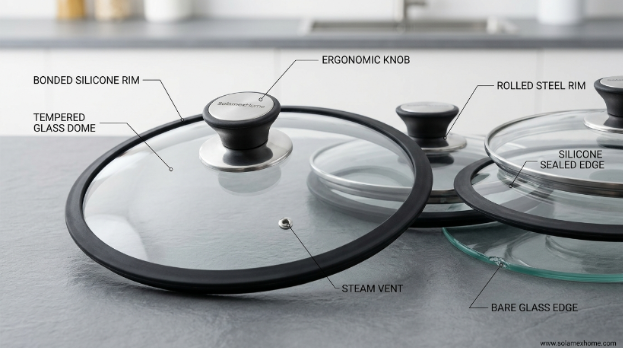
Lid Compatibility: Ensure your lids match your pan’s rim diameter for efficient braising and simmering.
5.3 Budget and Storage
Multi‑Pan Sets: Brands like Scanpan and Caraway offer sets from 8–12.5 inches, balancing cost and versatility.
Vertical Storage: Consider wall racks or pot stands to store oversized pans neatly without clutter.
6. Expert Tips and Common Mistakes
6.1 Pro Advice
- Read the Fine Print: Always check cooking surface diameter rather than just rim size in product specs.
- Test Before Buying: When possible, place a display pan on your stove to confirm fit and balance.
6.2 Pitfalls to Avoid
- Ignoring Depth: A 12 inch pan with only 1.5 inch depth isn’t suitable for deep‑frying.
- Overlooking Handle Length: Excessively long handles can interfere with adjacent burners and hamper storage.
7. Conclusion
Choosing the right frying pan size is essential for cooking success, from even sears to perfectly browned eggs. With accurate measurements, proper material selection, and mindful storage, you’ll cook more efficiently and safely.
Ready to upgrade? Measure your current pans or use this guide while shopping to make every meal a triumph.
From Searing to Saucery: Mastering the Sauté Pan's Versatility in 15+ Recipes
The Hidden Power of Aluminum Pans: How Seasoning Aluminum Cookware into a Non-Stick