How to Properly Season and Maintain Your Wok for Long-Term Use
Why Seasoning Your Wok is Important
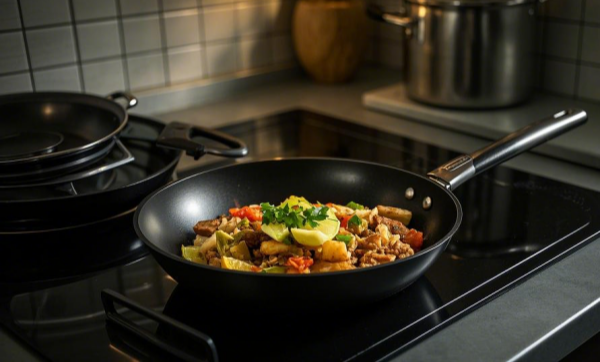
Seasoning a wok involves creating a protective layer of oil that bonds to the metal, preventing rust and improving cooking performance. This process is essential for carbon steel and cast iron woks, as these materials are prone to oxidation. Proper seasoning also helps build a non-stick patina over time, reducing the need for excess oil when cooking.
How to Season a Wok: Step-by-Step Guide
1. Choosing the Right Wok
Before seasoning, ensure that your wok is made from carbon steel or cast iron, as these materials benefit most from the process. Non-stick or stainless steel woks do not require seasoning and should be maintained differently.
2. Cleaning the Wok Before First Use
New woks often come coated with factory oil to prevent rust. To remove this layer:
- Scrub the wok with warm water, dish soap, and a stainless steel scrubber.
- Rinse thoroughly and dry immediately to prevent water spots.
- Place the wok over medium heat to evaporate any remaining moisture.

3. Heating the Wok
Turn on your stove to high heat and place the wok on the burner. Allow it to heat until the metal changes color and begins to darken. This process helps open the pores of the metal, making it more receptive to the oil seasoning.
Pro Tip: Tilting and rotating the wok ensures even heating across the entire surface.
4. Applying Oil
Once the wok is hot, follow these steps to apply oil properly:
- Use a high-smoke-point oil such as flaxseed oil, peanut oil, or vegetable oil.
- Add a small amount of oil (about 1 teaspoon) and spread it evenly across the surface using a paper towel or tongs.
- Heat the oil until it starts to smoke, allowing it to bond with the metal.
- Wipe off any excess oil with a clean paper towel.
- Repeat this process 3-4 times until the wok develops a golden-brown patina.
5. Cooling and Storing
After seasoning, let the wok cool naturally before storing it in a dry place.
- ✔ Store in a dry area.
- ✔ Avoid stacking heavy cookware on top of it.
- ❌ Do not wash with soap immediately after seasoning.
Common Mistakes to Avoid
- Using dish soap: Harsh detergents strip the protective oil layer. Stick to warm water and a brush for cleaning.
- Soaking the wok for too long: Extended exposure to water can cause rust, so always dry your wok promptly.
- Skipping seasoning: A raw carbon steel or cast iron wok will rust and stick without proper seasoning.
- Using metal utensils aggressively: While metal spatulas are fine for stir-frying, avoid excessive scraping that can remove the seasoning.
Conclusion
Seasoning and maintaining your wok properly ensures a lifetime of excellent cooking performance. By following the right steps, you can build a natural non-stick surface, enhance flavors, and prevent rust. Whether you're a home cook or a restaurant owner, investing time in wok care is essential for long-term use. If you're looking to stock high-quality cookware, considering wholesale woks can be a great way to access durable and well-crafted options.
Wok Smart: Elevate Your Health with Every Stir-Fry
Beyond the Stir-Fry: How to Pick the Right Wok for Every Cooking Style