How to Remove Soot from Metal Cookware: Expert Techniques for Spotless Results

Soot buildup on metal cookware is a common issue, especially when cooking over open flames or using certain types of stoves. Not only does soot affect the appearance of your pots and pans, but it can also impact their performance. This guide provides effective methods to remove soot from metal cookware, preventive measures to avoid future buildup, and answers to frequently asked questions.
Understanding Soot Buildup on Metal Cookware
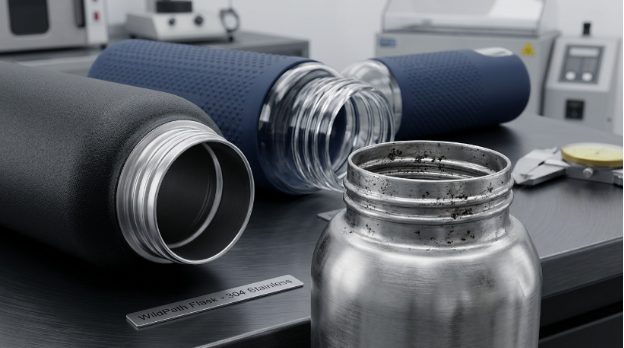
Soot is a black, carbon-based residue resulting from the incomplete combustion of fuels like wood, charcoal, or gas. When cooking over an open flame or using certain stoves, soot can accumulate on the exterior of metal cookware. While it doesn't typically affect the food inside, it can be unsightly and challenging to clean.
Effective Methods to Remove Soot from Metal Cookware
1. Pre-Cleaning Preparation
Before diving into cleaning methods, it's essential to prepare your cookware—be it stainless steel, aluminum, or cast iron:
- Cool Down: Ensure the cookware has cooled to room temperature to prevent burns.
- Remove Loose Soot: Gently wipe the surface with a dry cloth or use a vacuum with a soft brush attachment to eliminate loose soot particles.
2. Cleaning Techniques
Depending on the severity of the soot buildup, different methods can be employed:
a. Dish Soap and Warm Water
For light soot accumulation:
- Fill a basin or sink with warm water and add a few drops of mild dish soap.
- Submerge the cookware and let it soak for 5-10 minutes.
- Use a non-abrasive sponge or nylon scrubbing pad to gently scrub the soot-covered areas.
- Rinse thoroughly with clean water and dry with a soft cloth.
b. Baking Soda Paste
For moderate soot buildup:
- Mix baking soda with a small amount of water to create a thick paste.
- Apply the paste to the soot-stained areas.
- Let it sit for 15-20 minutes to break down the soot.
- Gently scrub with a soft cloth or sponge.
- Rinse and dry the cookware.
c. Vinegar Solution
For stubborn soot deposits:
- Combine equal parts of white vinegar and water in a container.
- Soak the affected areas of the cookware in the solution for 20-30 minutes.
- Use a nylon scrubbing pad to remove the loosened soot.
- Rinse thoroughly and dry.
d. Commercial Cleaners
For heavy soot accumulation:
- Choose a cleaner specifically designed for metal cookware.
- Follow the manufacturer's instructions carefully.
- Ensure the area is well-ventilated during application.
- After cleaning, rinse the cookware thoroughly to remove any chemical residues.
Preventive Measures to Avoid Soot Buildup
Preventing soot accumulation is more manageable than frequent deep cleaning. Consider the following preventive measures:
- Apply a Soap Layer: Before cooking over an open flame, coat the exterior of your cookware with a thin layer of liquid dish soap. This layer makes soot removal easier post-cooking.
- Use Proper Fuel: Opt for cleaner-burning fuels to minimize soot production.
- Maintain Clean Burners: Regularly clean stove burners to ensure efficient combustion and reduce soot formation.
- Control Flame Size: Avoid excessively large flames that can wrap around cookware and deposit soot.
Frequently Asked Questions (FAQ)
1. Can soot buildup damage my metal cookware?
While soot itself doesn't typically damage metal cookware, excessive buildup can lead to uneven heating and affect cooking performance. Regular cleaning ensures optimal functionality.
2. Is it safe to use abrasive materials to clean soot?
3. How often should I clean soot from my cookware?
Maintaining clean metal cookware is essential for optimal cooking performance and longevity. By understanding the nature of soot and employing appropriate cleaning methods, you can keep your pots and pans in excellent condition. Regular maintenance, combined with preventive measures, will ensure your cookware remains a reliable companion in your culinary endeavors. For those seeking to expand or upgrade their kitchen arsenal, exploring wholesale cookware options can provide access to high-quality products at competitive prices, further enhancing your cooking experience.Maintaining clean metal cookware is essential for optimal cooking performance and longevity.
By understanding the nature of soot and employing appropriate cleaning methods, you can keep your pots and pans in excellent condition. Regular maintenance, combined with preventive measures, will ensure your cookware remains a reliable companion in your culinary endeavors. For those seeking to expand or upgrade their kitchen arsenal, exploring wholesale cookware options can provide access to high-quality products at competitive prices, further enhancing your cooking experience.
Note: Always exercise caution when cleaning cookware. If unsure about a cleaning method, consult the manufacturer's guidelines or seek professional advice.
Stainless Steel Pans: Benefits, Maintenance, and Common Misconceptions
Understanding Oven-Safe Cookware: Can Your Metal Saucepan Handle the Heat in Oven?