Induction Nonstick Cookware Guide Expert Tips for Selection Care and Maintenance
1. Introduction: Why Induction Nonstick Cookware Matters
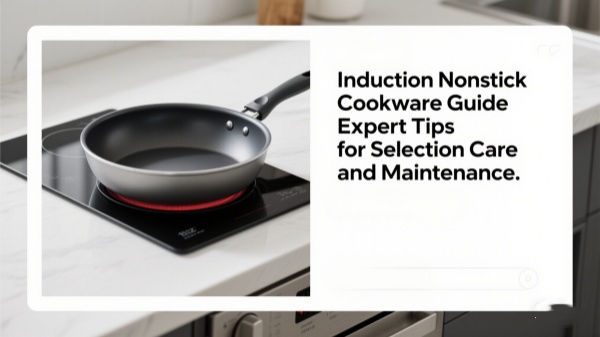
Induction nonstick cookware represents the convergence of two kitchen game-changers: the precision of induction heating and the convenience of nonstick surfaces. With home chefs increasingly adopting induction ranges for their rapid heat-up times and superior energy efficiency, cookware that responds predictably to magnetic fields while preventing food from sticking has become indispensable.
In this guide, we’ll dive deep into the science, benefits, and best practices around induction-compatible nonstick pans and pots, drawing on expert reviews, industry data, and user feedback. Whether you’re a seasoned professional or a home cook seeking upgrade advice, this article arms you with actionable insights and pro tips.
2. How Induction Cooking Works—and Why Nonstick Is a Perfect Match
Unlike traditional gas or electric cooktops, induction cooktops generate heat through electromagnetic currents. When an induction-ready pan is placed on the cooktop, alternating currents create a magnetic field that induces resistive heating in the pan’s ferrous metal base, cooking food directly in the cookware rather than on the surface.
This direct method delivers up to 90% energy transfer efficiency, outpacing gas (≈40%) and electric coil (≈75%) models. It also offers lightning-fast temperature changes: when you dial back the heat, the pan responds almost instantly, minimizing overcooking and enhancing precision.
Pair this technology with a high-quality nonstick surface and you benefit from:
- Even heat distribution—eliminates hotspots common in cheaper cookware.
- Easy food release—ideal for eggs, fish, and sauced dishes.
- Lower cleanup effort—minimal scrubbing required.
3. Key Benefits of Induction Nonstick Cookware
Investing in induction nonstick cookware pays off in multiple ways:
- Energy Efficiency & Speed: Heats up 50% faster than gas, cutting cook times and utility costs.
- Precision Control: Instant responsiveness means you can simmer at exactly 180°F or sear at 500°F without delay.
- Safety: Induction cooktops remain cool to the touch except under the pan, reducing burn risk.
- Health & Cleanliness: Nonstick coatings allow for low-oil cooking and effortless cleanup—ideal for health-conscious kitchens.
- Durability: Many modern coatings resist scratching and peeling for years when maintained properly.
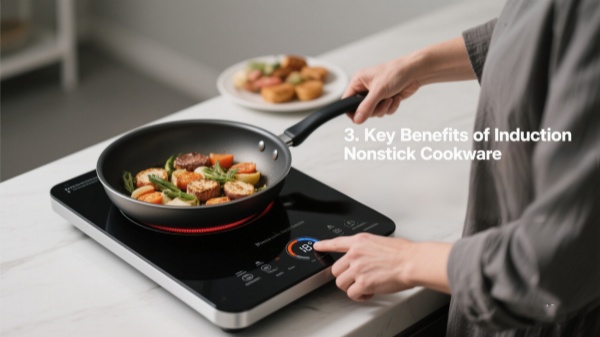
Together, these advantages improve cooking consistency and reduce daily kitchen hassles.
4. Materials & Construction: What to Look For
Not all nonstick pans work on induction. Key construction elements include:
4.1 Magnetic Base
Look for a fully encapsulated stainless steel base or a layered base with a magnetic stainless-steel disk. This ensures the pan “clicks” firmly on the cooktop and heats evenly.
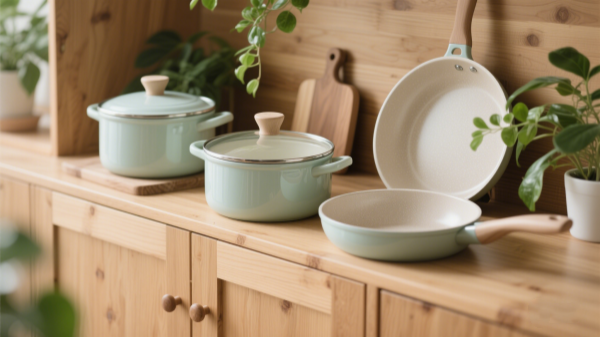
4.2 Nonstick Coating Types
PTFE (Teflon):
- Pros: Superior release, longevity, widely tested.
- Cons: Susceptible to overheating (>500°F) which can degrade the coating.
- Pros: PFAS/PFOA-free, eco-friendly profile.
- Cons: Coatings may wear faster; avoid metal utensils.
Diamond-Reinforced & Mineral:
- Pros: Enhanced scratch resistance, extra durability.
- Cons: Higher cost, sometimes slightly reduced nonstick performance.
4.3 Handle & Lid Design
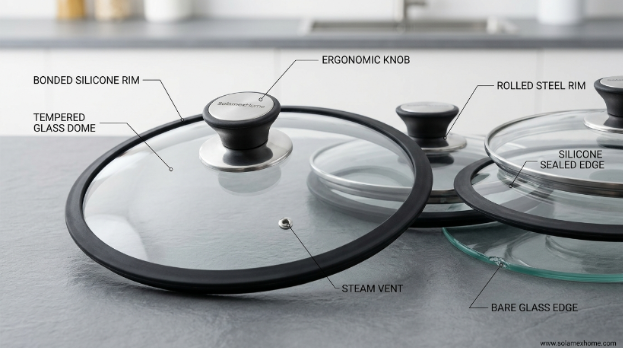
Ergonomic, riveted handles with silicone or stainless-steel wraps stay cool and provide a secure grip. Lids—tempered glass or stainless steel—should seal tightly to trap heat and moisture.
5. How to Choose the Right Set
Selecting cookware should match your cooking style:
5.1 Assess Your Cooking Habits
- Everyday Basics: An 8–10″ skillet, 2–3 qt saucepan, and a 3–4 qt sauté pan cover most needs.
- Entertaining & Batch Cooking: Larger Dutch ovens or deep skillets (12″+) help feed crowds.
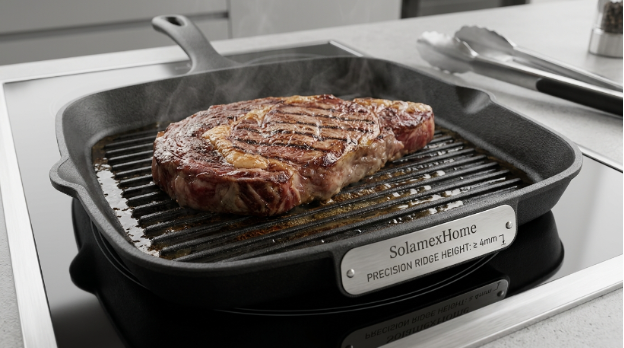
- Specialty Pieces: Griddle pans, egg poachers, or mini steamers for niche recipes.
5.2 Size & Storage Constraints
If cabinet space is tight, consider nesting sets with stackable designs or detachable handles.
5.3 Budget Considerations
Entry-level sets start around $100, while premium pro-grade collections can exceed $500. Balance features vs. price: multiple coating layers, induction rating, and warranty length often justify higher cost.
6. Care & Maintenance Tips
To maximize lifespan and performance:
- Pre-Seasoning PTFE Pans: Lightly coat with oil before first use to enhance release.
- Utensils: Use wooden, silicone, or nylon tools exclusively.
- Cleaning:
- Cool pan to room temperature.
- Hand wash with mild detergent; avoid abrasive scrubbers.
- For stuck residue, soak 10–15 minutes, then rinse.
- Dishwasher Use: While some brands claim dishwasher-safe, repeated cycles can dull coatings faster.
- Storage: Place protective liners or paper towels between pans when stacking.
Regularly inspect for coating wear—once flaking occurs, replace the pan to avoid ingesting particles.
7. Top Brands & Recommended Products
Below is a comparison of standout induction nonstick sets across different budgets and cooking styles:
| Brand & Model | Construction & Coating | Oven Safe | Price Range | Best For |
|---|---|---|---|---|
| GreenPan Valencia Pro | Ceramic, PFAS-free | Up to 600°F | $$ | Everyday healthy cooking |
| All-Clad HA1 | Hard-anodized aluminum + PTFE | 500°F | $$$$ | Pro-grade performance |
| Made In ProCoat | Multi-layer PTFE | 500°F | $$$ | Durability & release |
| Solamex Ceramic Series | Ceramic, detachable handles | 450°F | $ | Bulk buy, Customized |
8. Frequently Asked Questions
Q1: Can I use metal utensils on nonstick induction pans?
No. Metal tools can scratch and degrade the coating. Stick to silicone, wood, or nylon utensils for best results.
Q2: Are ceramic coatings safer than PTFE?
Ceramic coatings are PFAS-free and generally considered more eco-friendly but may wear faster under high heat.
Q3: How do I know if my pan is induction compatible?
Look for an induction symbol (coil icon) on the base or test with a magnet—it should cling firmly to the bottom.
Q4: What’s the average lifespan of nonstick cookware?
With proper care, PTFE pans last 3–5 years; ceramic pans typically 1–2 years before performance declines.
9. Looking Ahead: Innovations in Induction Nonstick Tech
The cookware industry continues to evolve:
- Next-Gen Eco Coatings: 100% PFAS-free, reinforced with natural minerals for extended longevity.
- Smart Cookware: Embedded sensors track temperature in real time, syncing with recipe apps to guide you step by step.
- Circular Economy Designs: Recyclable aluminum cores and post-consumer recycled materials reduce environmental impact.
- Global Standards: Stricter EU and FDA regulations are driving safer, more transparent ingredient disclosures on coatings.
As these technologies mature, expect induction nonstick cookware to become more sustainable, intelligent, and user-friendly.
10. Quick Buying Checklist
- ✅ Magnetic base verified by symbol or magnet test
- ✅ High-quality nonstick coating (PTFE, ceramic, or reinforced)
- ✅ Oven-safe temperature meets your cooking style
- ✅ Ergonomic, riveted handles with cool-touch finish
- ✅ Dishwasher vs. hand-wash instructions fit your routine
- ✅ Warranty length and manufacturer reputation
Solamex’s induction nonstick cookware not only meets every item on this checklist, but also offers exceptional bulk-wholesale pricing for large orders and a wide range of customization options, from logo branding to handle styles and color finishes.
Induction Nonstick Cookware Mastery Efficiency Safety and Care Essentials
Understanding Quart Sizes: A Comprehensive Guide to 8, 4, and 2 Quart Containers