Induction Nonstick Cookware Mastery Efficiency Safety and Care Essentials
The Ultimate Guide to Induction Nonstick Cookware: Efficiency, Safety, and Style
Table of Contents
- 1. Introduction: The Evolution of Cookware
- 2. How Induction Cooking Works
- 3. Nonstick Coatings: PTFE vs. Ceramic
- 4. Advantages of Induction Nonstick Cookware
- 5. Choosing the Right Induction Nonstick Cookware
- 6. Maintenance Tips for Longevity
- 7. Common Mistakes to Avoid
- 8. Conclusion: Elevate Your Cooking Experience
1. Introduction: The Evolution of Cookware
In an era where kitchen technology evolves rapidly, induction nonstick cookware stands out as a revolutionary blend of innovation and practicality. This cutting-edge cookware marries the lightning-fast heating of induction technology with the effortless food release of nonstick coatings, catering to both novice cooks and culinary experts. Whether you’re searing a steak to perfection or crafting a delicate sauce, this hybrid solution promises precision, efficiency, and sustainability.
Unlike traditional gas or electric stoves, induction cooking eliminates wasted heat by directly heating the cookware through electromagnetic fields. Combined with nonstick surfaces that reduce oil usage and simplify cleanup, this cookware aligns with modern values of health, eco-friendliness, and time-saving convenience. In this comprehensive guide, we’ll explore the science behind induction nonstick cookware, compare coating types, highlight key benefits, and provide expert tips for selection and maintenance.
2. How Induction Cooking Works
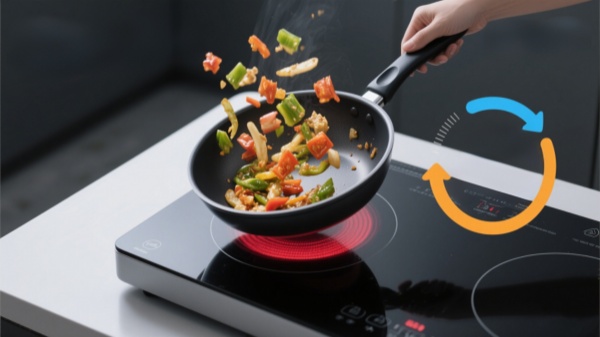
At the core of induction cooking lies a fascinating scientific principle: electromagnetic induction. Induction cooktops generate alternating magnetic fields that interact with ferromagnetic materials in the cookware’s base, producing eddy currents that create heat inside the pan itself. This means heat is generated directly where it’s needed—no preheating the cooktop, no transferring heat through air or metal coils.
Fun Fact: Induction heating is so efficient that it can boil water in 50% less time than traditional gas stoves [1].
Key Requirements for Induction Compatibility
- Must contain ferromagnetic materials (e.g., cast iron, stainless steel, or carbon steel).
- Aluminum or copper pans often have a magnetic disc bonded to the base for induction compatibility.
- Test with a magnet: If it sticks to the pan’s base, it’s induction-ready!
3. Nonstick Coatings: PTFE vs. Ceramic
The debate between PTFE (Teflon®) and ceramic coatings is central to choosing the right induction nonstick cookware. Let’s break down their differences to help you decide:
| Feature | PTFE (Teflon®) | Ceramic |
|---|---|---|
| Safety | PFOA-free (post-2015 regulations), but degrades at 490°F [2] | PTFE-free, non-toxic, safe up to 550°F [3] |
| Durability | Prone to scratches from metal utensils | Scratch-resistant (ideal for busy kitchens) |
| Eco-Friendliness | Synthetic polymer (non-biodegradable) | Made from natural minerals (sand, clay) |
| Release Performance | Superior nonstick from day one | Requires gentle seasoning for optimal performance |
| Price Range | More affordable (budget-friendly options) | Higher cost (premium investment) |
Beware of marketing terms like “granite” or “marble” coatings—these often refer to PTFE with mineral additives. Always check labels for “PTFE-free” if you prefer ceramic.
4. Advantages of Induction Nonstick Cookware
Induction nonstick cookware offers a slew of benefits that cater to both practical needs and culinary ambitions:
a. Unmatched Speed and Precision
Thanks to induction’s direct heating, pans reach target temperatures in seconds, not minutes. This is a game-changer for recipes requiring precise temperature control, like caramelizing sugar or making risotto. Studies show induction cooking reduces energy waste by 80% compared to traditional electric stoves [4].
b. Health-Conscious Cooking
The nonstick surface minimizes oil or butter use, aligning with low-fat, heart-healthy diets. Ceramic coatings take this a step further by being free from potentially harmful chemicals, making them ideal for families and eco-conscious cooks.
c. Versatility Across Cooktops
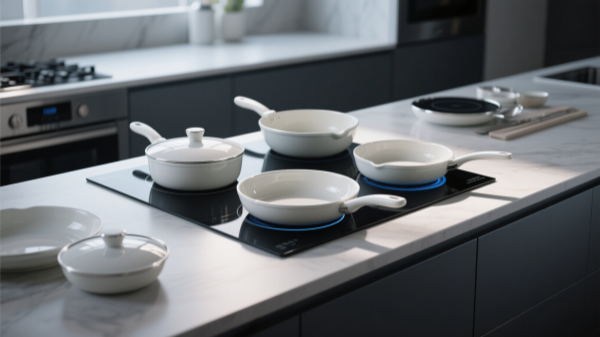
Most induction nonstick pans are multi-compatible, working seamlessly on gas, electric, ceramic, and induction cooktops. This flexibility is a boon for renters or those upgrading their kitchen appliances gradually.
d. Effortless Cleanup
Food slides off nonstick surfaces with ease, and most pans are dishwasher-safe (though handwashing is recommended for longevity). Say goodbye to stubborn stuck-on residues and endless scrubbing!
5. Choosing the Right Induction Nonstick Cookware
With countless options on the market, here’s a checklist to help you select the perfect pan:
Essential Features to Prioritize
- Induction-Compatible Base: Look for labels like “induction-ready” or “magnetic base.”
- Coating Quality: PTFE for budget-friendly nonstick; ceramic for durability and safety.
- Oven Safety: Opt for pans oven-safe up to 500°F for seamless stovetop-to-oven recipes.
- Handle Design: Heat-resistant, ergonomic handles (preferably riveted for durability).
- Warranty: Reputable brands offer 5+ year warranties on coatings and construction.
Top Brands Reviewed
All-Clad HA1
Hard-anodized aluminum with PTFE coating. Oven-safe to 500°F, ideal for searing and sautéing.
Price: $$$
GreenPan Nova
Ceramic-coated, PFOA-free, and dishwasher-safe. Perfect for healthy, low-oil cooking.
Price: $$
Solamex
Ceramic-coated + Wholesale pans and pots supplier. Scratch-resistant, Chef-approved.
Price: $
6. Maintenance Tips for Longevity
Proper care ensures your induction nonstick cookware remains efficient and safe for years. Here’s how to protect both the nonstick coating and induction base:
Daily Care Routine
- Utensil Choice: Use silicone, wood, or nylon tools to avoid scratching the coating and damaging the magnetic base’s surface.
- Cool Before Cleaning: Let pans sit at room temperature for 5–10 minutes. Sudden temperature changes can warp aluminum-core induction bases [5].
- Gentle Soaking: For burnt food, soak in warm water + ¼ cup vinegar before wiping with a soft sponge. Avoid abrasive scrubbers.
Deep Cleaning Best Practices
For stubborn stains or mineral buildup (common in hard water areas):
- Boil a mixture of equal parts water and vinegar in the pan for 5 minutes.
- Wipe the interior and exterior (especially the induction base) with a microfiber cloth.
- Avoid citrus-based cleaners on aluminum pans, as they may corrode the base.
Smart Storage Solutions
Improper storage is a leading cause of coating damage and base warping:
- Dry pans completely before storing to prevent rust on stainless steel induction plates.
- Use cloth or silicone protectors between stacked pans to avoid scratches.
- Avoid heavy objects on top of pans, as this can dent lightweight induction bases.
7. Common Mistakes to Avoid
Even small errors can shorten your cookware’s lifespan. Here’s what to steer clear of:
a. Overheating the Pan
High heat (above 500°F) can degrade both PTFE and ceramic coatings. Use medium heat for most tasks, and reserve high heat for brief searing.
b. Using Dishwashers Excessively
While convenient, dishwashers’ harsh detergents and heat accelerate coating wear and can loosen the bond between the base and pan body. Handwash with mild soap whenever possible.
c. Neglecting the Induction Base
Ignoring mineral deposits or scratches on the base can reduce heat transfer. Regularly clean the underside with a non-abrasive cloth to maintain optimal induction performance.
d. Using Metal Utensils
Metal spoons or spatulas create micro-scratches that trap food and bacteria, compromising both nonstick performance and hygiene.
8. Conclusion: Elevate Your Cooking Experience
Induction nonstick cookware is more than just a kitchen tool—it’s a gateway to smarter, healthier, and more efficient cooking. By understanding its technical nuances, choosing the right coating for your needs, and practicing proper maintenance, you’ll unlock a world of culinary possibilities while ensuring your investment lasts for years.
Ready to upgrade? Start with a versatile 10-inch skillet—it’s the workhorse of any kitchen. And remember: always prioritize brands with clear safety certifications to cook with confidence!
References: [1] Consumer Reports, 2024; [2] EPA Guidelines; [3] Journal of Materials Science; [4] Energy Star Reports; [5] Cookware Manufacturers Association.
Ceramic vs Stainless Steel Cookware: 2025 Guide to Health, Durability & Eco-Friendly Choices
Induction Nonstick Cookware Guide Expert Tips for Selection Care and Maintenance