Is Aluminum Cookware Safe? A Comprehensive Analysis of Its Safety and Health Impacts
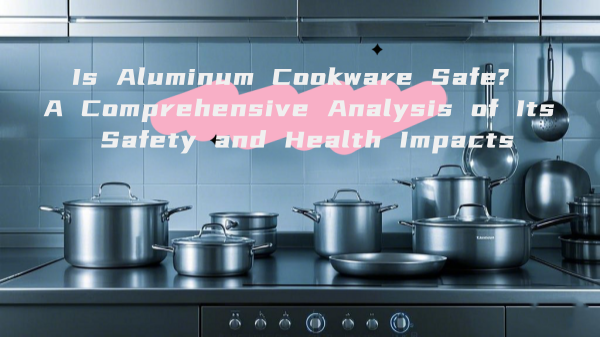
Aluminum Cookware: Composition and Characteristics
Aluminum is a lightweight metal that provides rapid and even heat distribution, making it an attractive option for many cooking applications. However, pure aluminum is highly reactive, especially with acidic foods like tomatoes and citrus. To address this, many manufacturers use anodizing—an electrochemical process that creates a hard, non-reactive surface on the aluminum. This anodized aluminum cookware is generally considered safer because the anodized layer prevents direct contact between the aluminum and food.
In addition to anodized variants, there are other types of aluminum cookware available. For example, cast aluminum cookware is produced by pouring molten aluminum into molds, while hard-anodized aluminum cookware offers enhanced durability and non-stick properties. These advanced manufacturing techniques have significantly improved the safety and performance of aluminum cookware.
Safety Analysis: Metal Leaching and Health Implications
One of the main concerns regarding aluminum cookware is the potential for metal leaching. When cooking, especially with acidic foods, small amounts of aluminum can migrate into food. Research indicates that the levels of aluminum leaching from high-quality, anodized aluminum cookware are generally very low and remain within safe consumption limits.
Although some studies have suggested a link between aluminum exposure and neurological conditions such as Alzheimer’s disease, leading health organizations have not confirmed a causal relationship. For most people, the trace amounts of aluminum released during cooking are not considered harmful. However, individuals with specific health concerns or allergies should consider using alternatives such as stainless steel or ceramic cookware.
[Source: Alzheimer's Association]
Comparing Different Types of Aluminum Cookware
Not all aluminum cookware is created equal. Here are some common types and their safety profiles:
| Type | Advantages | Considerations |
|---|---|---|
| Pure Aluminum | Lightweight and excellent heat conductivity. | Reacts with acidic foods; not commonly used without treatment. |
| Anodized Aluminum | Non-reactive surface, more durable, and resistant to scratches. | Slightly more expensive than pure aluminum. |
| Cast Aluminum | Strong and often used for robust cookware items. | May have variations in quality; ensure it is properly treated. |
| Hard-Anodized Aluminum | Enhanced durability, non-stick properties, and improved safety. | Generally higher cost, but better performance overall. |
This comparison helps highlight that anodized and hard-anodized aluminum cookware are generally the safest options, as they mitigate the reactivity issues found in pure aluminum.
Specialized Aluminum Cookware and Additional Considerations
Aluminum Core Cookware
Many modern cookware products incorporate an aluminum core within stainless steel layers. This design improves heat distribution while ensuring that the aluminum is sealed off from direct contact with food. Such aluminum core cookware is widely regarded as safe, offering the best of both materials: the durability and non-reactivity of stainless steel with the excellent heat conductivity of aluminum.
Ceramic-Coated Aluminum Cookware
Ceramic coatings on aluminum cookware provide a non-reactive surface that prevents aluminum from leaching into food. While ceramic-coated aluminum is often marketed as a safer option, it is essential to ensure that the coating is free from harmful chemicals and is applied uniformly. When maintained properly, ceramic-coated aluminum cookware can be a great choice for health-conscious consumers.
Recommendations for Using Aluminum Cookware Safely
To maximize the benefits of aluminum cookware while minimizing potential risks, follow these guidelines:
- Choose High-Quality Products: Invest in well-manufactured, anodized, or hard-anodized aluminum,die cast aluminum and ceramic-coated aluminum cookware to ensure a safe, non-reactive surface.
- Proper Cleaning and Maintenance: Clean your cookware promptly after use with mild detergent and non-abrasive sponges. Regular maintenance will help preserve the protective coating.
- Be Mindful of Cooking Conditions: Limit prolonged cooking of highly acidic foods in aluminum cookware, or opt for alternatives if you have specific health concerns.
By following these best practices, you can enjoy the benefits of aluminum cookware without compromising your health.
Conclusion
In conclusion, aluminum cookware, is generally safe for everyday cooking. Its excellent heat conductivity and lightweight properties make it a favorite among many chefs and home cooks. Although concerns about metal leaching exist, the levels of aluminum transferred to food are typically minimal and within safe limits.
Choosing the right aluminum cookware and following proper maintenance routines are essential steps in ensuring long-term durability and safety. For more insights on how to care for your cookware, please see our Guide to Cleaning and Maintaining Aluminum Cookware and our Comparison: Aluminum vs. Other Cookware Materials.
Whether you’re a professional chef or a home cook, understanding these factors will help you make informed decisions. For those looking to source high-quality cookware at competitive prices, consider exploring wholesale options. Solamex is a professional wholesale cookware company dedicated to providing innovative, durable, and high-performance products. With an extensive range of aluminum and other cookware types, Solamex is your trusted partner in the culinary world.
Happy cooking, and may your kitchen always shine!
[Sources: Wikipedia - Aluminium]
How to Properly Clean and Maintain Aluminum Cookware
Ensuring the Safety of Stainless Steel Cookware: An In-Depth Analysis