Is Ceramic Coated Cookware Safe? Unveiling the Truth Behind the Popular Kitchen Essential
Is Ceramic Coated Cookware Safe? Unveiling the Truth Behind the Popular Kitchen Essential
1. Introduction
In recent years, consumers have increasingly turned to ceramic-coated cookware for everyday cooking. Praised for its nonstick convenience and a perceived emphasis on health and safety, these pans have become a popular kitchen essential. Yet a question remains on many shoppers' minds: Is ceramic-coated cookware truly safe? In this article, we dive deep into the science, standards, and practical aspects of ceramic-coated cookware to reveal the truth behind its safety and functionality.
Whether you are an experienced chef or a home cook searching for a healthier, toxin-free option, understanding the construction and maintenance of ceramic coatings is essential to making an informed decision. Let’s explore the details, beginning with a basic definition and an overview of how these coatings work.
2. What Is Ceramic-Coated Cookware?
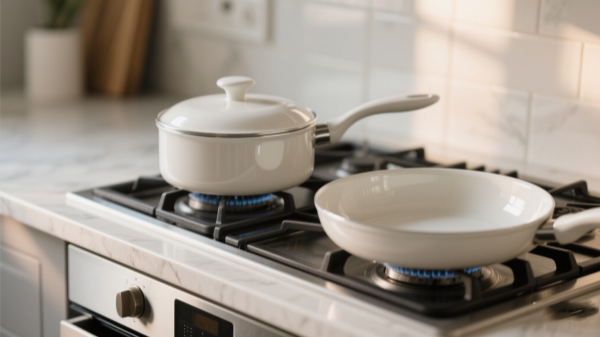
Ceramic-coated cookware is defined by a surface layer composed of ceramic particles that is applied onto a base material – most commonly aluminum or stainless steel. This ceramic layer creates a nonstick surface that makes frying, sautéing, and boiling easier and promotes a hassle-free cleanup process.
The popularity of ceramic coatings stems from their aesthetic appeal and functional benefits. They are highly regarded for their ability to minimize the need for excessive oil and butter, thereby contributing to healthier cooking practices. Additionally, the ease with which food releases from a ceramic surface has made these pans a staple in many kitchens.
3. Common Base Materials and Their Safety Profiles
Aluminum
Aluminum is a widely used base material due to its excellent heat conductivity, which ensures quick and even heating. However, when uncoated, aluminum can react with acidic foods—such as tomato sauces or citrus-based dishes—potentially leading to unwanted flavors or discoloration. The ceramic coating, in this instance, serves as a protective barrier that prevents direct contact between the food and the reactive metal, ensuring that the cookware remains safe for everyday use.
Stainless Steel
Stainless steel is renowned for its durability and resistance to corrosion. Although stainless steel does not conduct heat as efficiently as aluminum on its own, when paired with a ceramic coating, it offers the best of both worlds—a robust, non-reactive surface with enhanced nonstick functionality. This makes ceramic-coated stainless steel cookware an excellent choice for those who want a combination of longevity and performance.
With both aluminum and stainless steel providing reliable bases, the focus now shifts to the safety of the ceramic coating that defines these innovative cookware products.
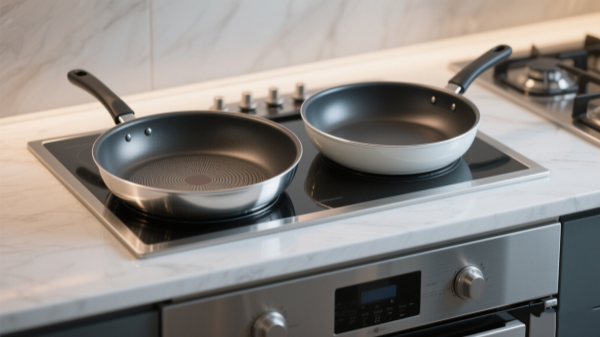
4. A Deep Dive into the Safety of Ceramic Coatings
Chemical Composition
High-quality ceramic coatings are engineered to be free from harmful chemicals such as PFOA (perfluorooctanoic acid), PFAS (per- and polyfluoroalkyl substances), and lead. Unlike some traditional nonstick coatings that have raised concerns over toxic fumes and potential long-term health risks, premium ceramic coatings are manufactured with safety as a top priority. Many products in this category adhere to rigorous safety certifications, including FDA approval and compliance with stringent EU safety standards.
Performance Under Heat
One of the most critical aspects of cookware safety is its performance under heat. Ceramic coatings are known to withstand high temperatures—often up to 500°F or more—without breaking down or releasing toxic substances. Studies and product tests have consistently demonstrated that, when used under normal cooking conditions, ceramic-coated pans remain stable and safe, even during extended use.
Comparison with Other Coatings
When compared to traditional nonstick options like Teflon (PTFE-coated) cookware, ceramic coatings offer significant safety advantages. Teflon coatings require strict temperature control to prevent degradation and the release of harmful gases, while ceramic coatings are more forgiving and can be safely used across a wider range of temperatures. This makes ceramic-coated cookware not only a healthier alternative but also one that is more user-friendly.
| Feature | Ceramic Coating | Teflon (PTFE) Coating |
|---|---|---|
| Chemical Safety | Chemical-free; no PFOA/PFAS/lead | May contain PFOA/PFAS (historically) |
| Heat Resistance | Up to 500°F or more | Degrades at high temperatures |
| Nonstick Performance | Reliable nonstick; safe for everyday use | Excellent when intact, but sensitive to overheating |
| Durability | Moderate; proper care extends lifespan | Can be prone to scratching and degradation |
This comparison clearly illustrates that ceramic coatings are a robust, safe alternative to Teflon-based nonstick surfaces. Building on this established safety and performance advantage, it is important to highlight the offerings from solamexhome cookware.
Solamexhome specializes in the wholesale of high-quality kitchenware, offering an extensive range of products including frying pans, woks, soup pots, and virtually every type of cookware imaginable. Their products are manufactured with strict adherence to international safety standards and have passed certifications in multiple countries, ensuring that each piece meets rigorous quality and safety requirements. This commitment not only gives retailers peace of mind when stocking solamexhome items but also provides a competitive edge in pricing, making their range a trusted and cost-effective choice for consumers.
5. Maintaining Safety Through Proper Use and Care
Even the safest cookware requires proper handling to maintain its performance. Caring for ceramic-coated cookware involves a few simple steps to ensure that the nonstick properties and overall integrity remain intact.
Cleaning Tips
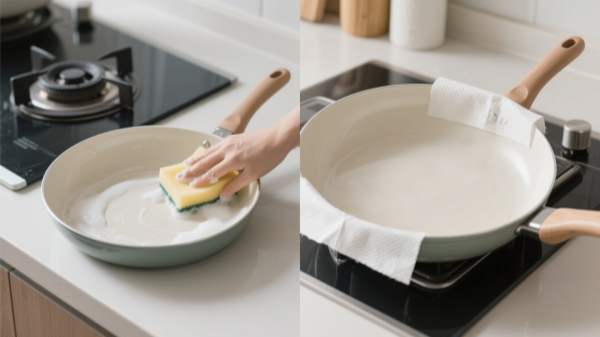
To preserve the ceramic coating, avoid using abrasive cleaners or metal utensils that can scratch the surface. Instead, opt for soft sponges or nylon brushes and mild dish soap when cleaning. Allowing food residue to sit for too long can make cleaning more difficult and may compromise the coating.
Storage and Handling
Prevent coating damage by not stacking ceramic-coated pans without protective layers such as paper towels or pan protectors. Proper storage minimizes the risk of scratches that could eventually impact the nonstick properties.
Lifespan and Replacement
A well-maintained ceramic-coated pan can be safe and efficient for years. However, if the coating becomes severely chipped or worn, it is advisable to replace the cookware to avoid potential exposure to the base material.
6. Addressing Common Myths and Concerns
Alongside the proven benefits of ceramic-coated cookware, several myths and misconceptions continue to circulate. Let’s clarify a couple of prevalent ones:
Myth: Ceramic Coatings Are Easily Ingested
There is a concern that if the ceramic coating wears off, the particles might be ingested. However, high-quality ceramic coatings are engineered to be inert. Studies show that even if minute amounts are released, they pass harmlessly through the human body without causing toxic effects.
Myth: All Ceramic-Coated Cookware Is Equally Safe
Not all ceramic-coated cookware is created equal. Reputable brands that adhere to strict safety standards and undergo rigorous testing offer products that truly meet high safety and performance criteria. In contrast, lower-quality options may not provide the same level of protection or durability. Always check for certifications such as FDA approval or compliance with EU standards to ensure you are choosing a safe product.
7. Conclusion
In summary, ceramic-coated cookware—when manufactured by reputable companies and maintained with proper care—is a safe and effective option for modern kitchens. Its chemical-free composition, robust heat resistance, and nonstick capabilities make it an attractive choice for healthy cooking practices. The protective ceramic layer not only prevents the base material from reacting with acidic foods but also offers an eco-friendly alternative to traditional Teflon coatings.
By understanding the differences between base materials such as aluminum and stainless steel, evaluating the safety of the ceramic coating, and following recommended care guidelines, consumers can confidently embrace ceramic-coated cookware without compromising on performance or health. It is essential to purchase from trusted manufacturers and to perform regular maintenance to ensure longevity.
Final Thought: Prioritize quality and proper upkeep—your health and culinary success depend on it. Whether you’re frying, sautéing, or boiling, ceramic-coated cookware is a versatile and safe investment that will elevate your kitchen experience for years to come.
Have questions or want to share your experience? Feel free to leave a comment or reach out to our community—we are here to help you make the best, informed decisions for your kitchen.
Mastering Saucepan Maintenance: How to Clean Burnt Saucepan Bottom and Beyond
Unveiling the Core Advantages and Selection Guide for Forged Aluminum Cookware