Is Ceramic Cookware Safe? Ultimate Guide to Safety, Performance & B2B Sourcing

1. Introduction: Why Cookware Safety Matters
With rising concern about chemicals and heavy metals in our food, the safety of cookware has become a top priority for chefs, caterers, and procurement teams alike. Ceramic cookware, marketed as a “natural” non‑stick option, claims to be free from harmful substances found in traditional pans. But is ceramic cookware safe? In this guide, we’ll explore its composition, health implications, performance under high‑volume use, care requirements, and how it compares to other non‑stick technologies. By the end, procurement professionals will have clear criteria to source reliable, bulk‑ready ceramic cookware.
2. What Is Ceramic Cookware?
Ceramic cookware typically consists of an aluminum or steel core coated with a silica‑based layer derived from sand. Unlike PTFE/Teflon, modern ceramic non‑stick surfaces are PFAS‑free, PFOA‑free, and PTFE‑free, relying on inorganic minerals baked at high temperatures to form a glass‑like coat. The underlying metal offers rapid heat transfer, while the ceramic layer provides easy food release and minimal oil requirements.
There are two main categories:
- 100% Ceramic (Stoneware): Malleable clay baked to form pots and dishes, often thicker and heavier.
- Ceramic-Coated Metal: Lightweight pans with a mineral coating bonded to a metal base, common in commercial kitchens for its responsiveness and durability.
3. Health & Toxicity: Separating Fact from Fiction
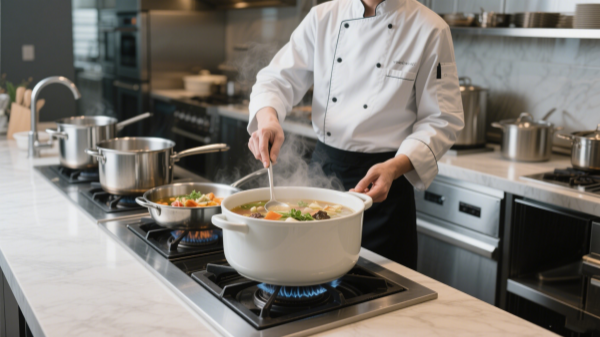
One of the biggest selling points of ceramic cookware is its non‑toxic profile. Because it contains no PTFE, PFOA, or PFAS, there’s no risk of polymer fume fever or perfluorochemical contamination during regular cooking.
However, quality matters. Older or unregulated ceramic glazes may contain lead or cadmium, which can leach into acidic foods, posing serious health risks. The FDA’s 21 CFR Part 109 sets strict limits on heavy‑metal migration; cookware that exhibits measurable lead or cadmium leaching is prohibited. To ensure safety:
- Verify FDA, LFGB (EU) or similar certifications on bulk orders.
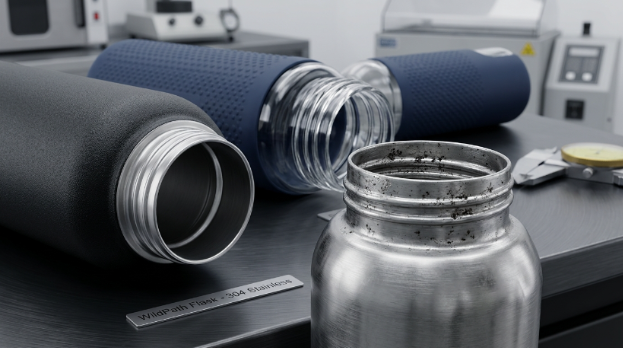
- Request third‑party heavy‑metal test reports from suppliers.
- Inspect finished samples for chips or cracks; damaged surfaces can accelerate leaching.
4. Performance & Durability in Commercial Use
Commercial kitchens demand cookware that heats evenly, tolerates high temperatures, and withstands daily wear. Ceramic‑coated pans generally resist up to 500–550 °F before the coating begins to degrade, compared to PTFE’s breakdown around 500 °F. Even heat distribution minimizes hot spots, crucial for consistent results in baking and roasting operations.
In terms of lifespan, most ceramic‑coated cookware maintains non‑stick performance for 1–3 years under heavy use. Factors affecting longevity include:
- Frequency of high‑heat cooking.
- Type of utensils used (metal vs. silicone/wood).
- Dishwasher vs. hand‑washing practices.
For cookware B2B buyers, negotiate sample orders to benchmark real‑world wear before committing to large‑scale purchase.
5. Care & Safe Handling Guidelines
Proper handling extends the service life of ceramic cookware and preserves safety. Follow these best practices:
- Preheat Properly: Avoid heating an empty pan. Always add oil or ingredients before high heat to prevent thermal shock.
- Utensils: Use wood, silicone, or plastic tools to avoid scratching the surface.
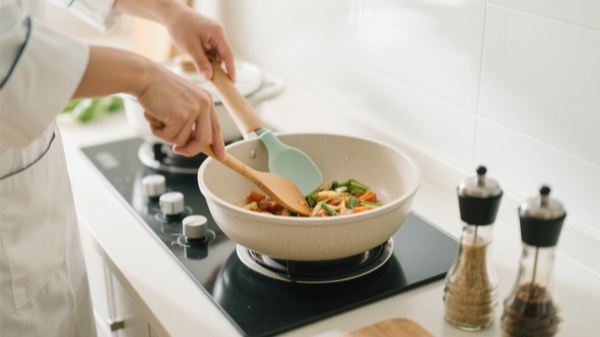
- Cleaning: Hand‑wash with warm soapy water and a soft sponge—no scourers or dishwashers.
- Storage: Stack with protective liners (felt or paper towels) between pans to prevent abrasion.
- Stain Removal: For stubborn residue, soak in a baking‑soda solution or mild vinegar mix for an hour, then rinse gently.
Consistent care not only preserves the non‑stick layer but also limits microscopic cracks that could harbor bacteria or allow contaminant migration.
6. Ceramic vs. Other Non‑Stick Technologies
Choosing the right non‑stick surface depends on priorities: longevity, safety, heat tolerance, and maintenance. Below is a side‑by‑side comparison:
| Feature | Ceramic | PTFE (Teflon) | Cast Iron | Stainless Steel |
|---|---|---|---|---|
| Non‑Stick Release | Excellent (initially) | Superior | Good (when seasoned) | Moderate |
| Heat Tolerance | Up to ~550 °F | Up to ~500 °F | Very High | Very High |
| Durability | Moderate (1–3 yrs) | High (2–5 yrs) | Very High (decades) | Very High (decades) |
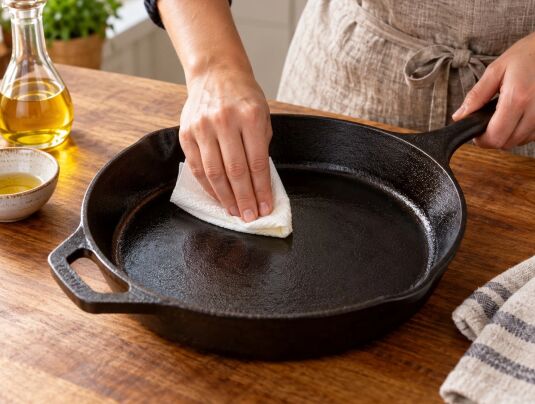
| Maintenance | Low–Medium | Low | High | Medium |
| Health Concerns | Low (if certified) | Moderate (overheating risks) | Low | Low |
While PTFE offers the slickest surface, its chemical profile raises long‑term safety questions. Cast iron and stainless steel are extremely durable but require more maintenance and seasoning or oiling for release. Ceramic strikes a balance: safe, eco‑friendly, and easy to handle for mid‑heat cooking.
7. B2B Sourcing & Wholesale Considerations
Procurement teams evaluating ceramic cookware for bulk purchase should prioritize:
- Certifications & Testing: FDA, LFGB, and NSF approvals, plus third‑party heavy‑metal migration reports.
- Supply Chain Transparency: Audited factories with documented PFAS‑free manufacturing processes.
- Warranty & Support: Minimum 1–2 year commercial warranties and responsive technical service.
- Volume Discounts: Tiered pricing for larger orders, plus sample programs to validate performance.
Solamex exemplifies these priorities as a cookware enterprise committed to quality and transparency. Their product line covers frying pans, Dutch ovens, saucepans, and more, all engineered for performance and durability. With multiple sizes and materials available, Solamex cookware meets the needs of a wide range of professional and home culinary applications
8. Conclusion & Recommendations
Modern ceramic cookware, when sourced from reputable manufacturers and cared for properly, offers a safe, PFAS‑free alternative for health‑driven kitchens. It delivers reliable non‑stick performance up to 550 °F, even heat distribution, and straightforward cleanup. While its service life (1–3 years) may be shorter than some alternatives, smart procurement strategies—such as sample trials, third‑party testing, and clear warranty terms—can mitigate risks for large‑scale operators.
For bulk quotes, certifications verification, and sample orders of Solamex’s commercially rated ceramic cookware, contact our wholesale team today. Equip your kitchens with cookware that chefs trust and diners respect.
Is Ceramic Cookware Safe? A Science-Backed Guide for Home Cooks
Is Ceramic Cookware Safe? Science-Backed Safety & Usage Guide